


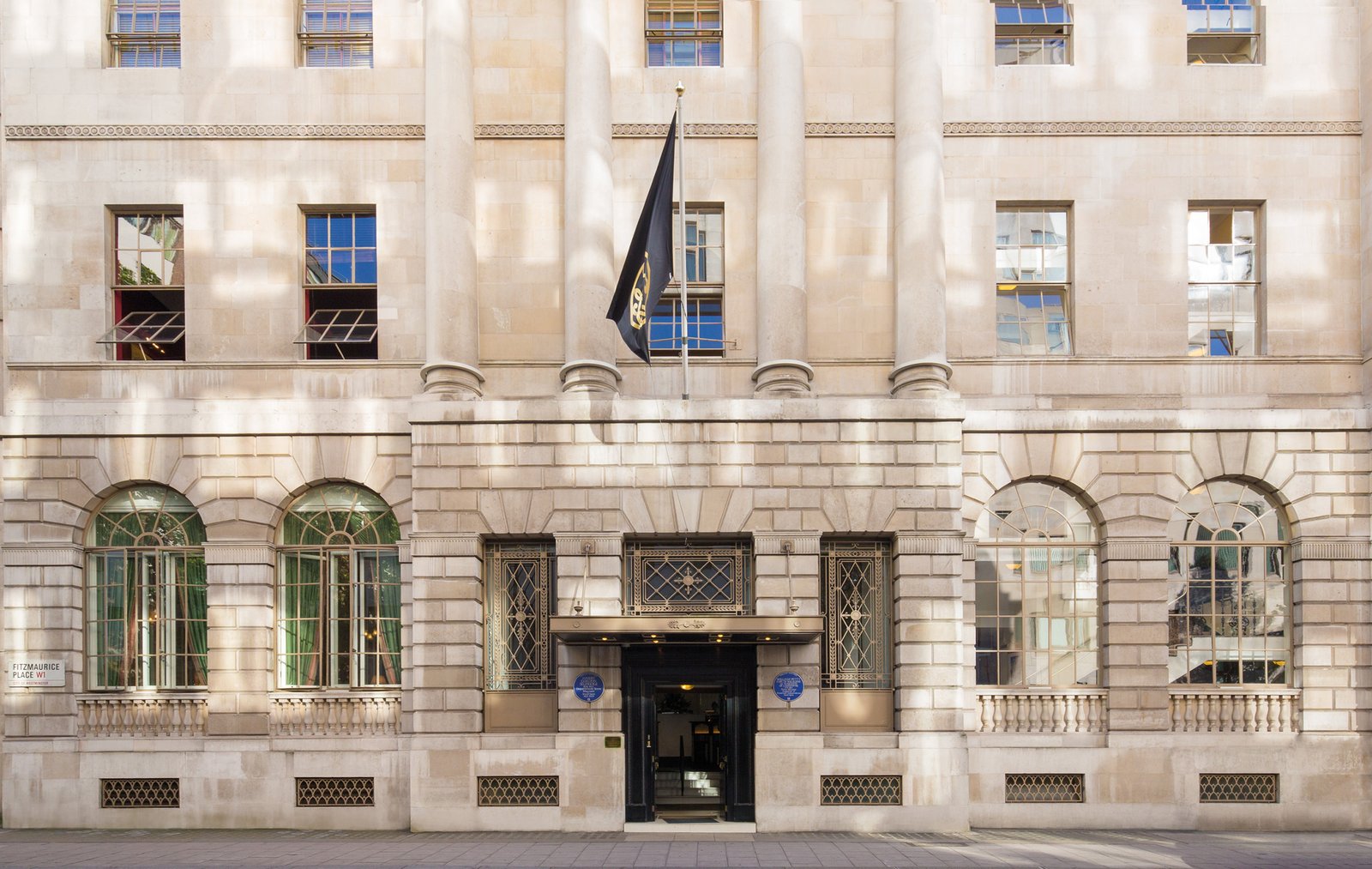
Crossing the threshold of The Lansdowne Club, tucked away in the heart of London’s Mayfair, I felt a sense of quiet importance – not loud or ostentatious, but calm and assured. Here, on Fitzmaurice Place, just beyond Berkeley Square, the city seems to fade away, the usual noise softening to a gentle hush, as if life moves to a more private rhythm inside the club, and always has done.
Portraits of Queen Elizabeth II and Prince Philip adorn the walls, a fitting nod to what would have been the late monarch’s 100th birthday. Although the club opened in the 1930s, its history stretches much further back. Beneath the building lie the remnants of Lansdowne House, which was originally designed in 1763 by Robert Adam and later shaped by George Dance the Younger, Robert Smirke, and T. H. Wyatt.
In 1930, Westminster City Council cut a new road through the estate, transforming the house irrevocably – but not without preserving its character. Georgian elegance now sits alongside bold art deco interiors with an easy confidence. So impressive were its assets that some rooms were even recreated, now gracing the Philadelphia Museum of Art and the Metropolitan Museum of Art in New York.
The Lansdowne Club set out to be different from the start. Established in 1935, it was London’s first club to admit men and women on equal terms – a principle that remains central to its identity. It avoided rigid political or professional affiliations, instead cultivating a social, spirited community. Those who moved through its rooms did so with ease in conversation and a quiet confidence.
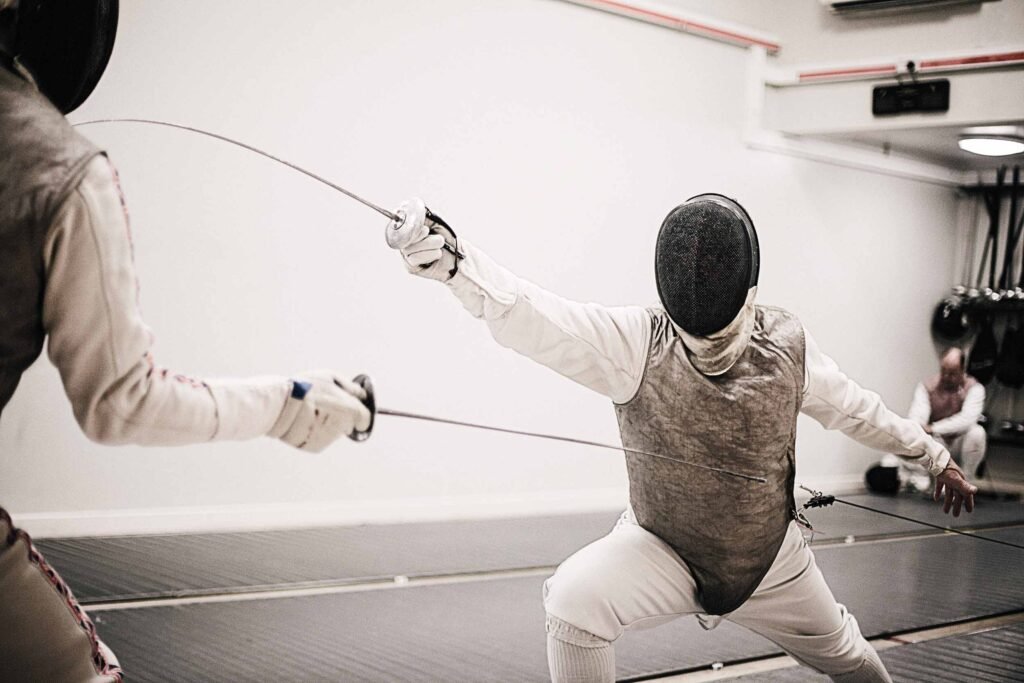
The Lansdowne Club is famous for its fencing, and passing the salle d’armes, I caught the crisp rhythm of combat echoing through the halls. The sound was precise, almost musical, and entirely in keeping with the club’s character: refined, never static.
The fabric of British public life
Originally designed in 1763 by Robert Adam, Lansdowne House was commissioned for John Stuart, the 3rd Earl of Bute, who was then Prime Minister. It later passed to William Petty, 1st Marquess of Lansdowne, who served briefly in the role from 1782 to 1783. Even in its early years, the house was close to the centre of political life.
Its rooms went on to witness pivotal moments. In 1774, under Lord Shelburne’s patronage, Joseph Priestley conducted experiments here that led to the discovery of oxygen. Not long after, in 1783, the Treaty of Paris – which ended the American War of Independence – was drafted in the Bow Room, now the Round Room Bar. The house remained a quiet backdrop to diplomacy well into the 20th century, hosting the signing of the Anglo-Japanese Alliance, followed by the Entente Cordiale between Britain and France.

In the 1920s, the tone shifted. From 1921 to 1929, Harry Gordon Selfridge, founder of Selfridges, made the house his home, hosting lively Mayfair gatherings. That sociable spirit endures today, not least in the presence of the club’s resident cats, Harry and Rose, named after Selfridge and his wife, Rosalie Selfridge.
Over the years, a wide cast of visitors has passed through the doors – from Richard Dimbleby and James Mason to Beryl Cook and Paul Smith, as well as Rainier III, Prince of Monaco, and Grace Kelly. Its architectural significance was formally recognised in 1970 with Grade II listed status, and a refurbishment in 2000 carefully balanced history with modern comfort.
Classic, refined cuisine
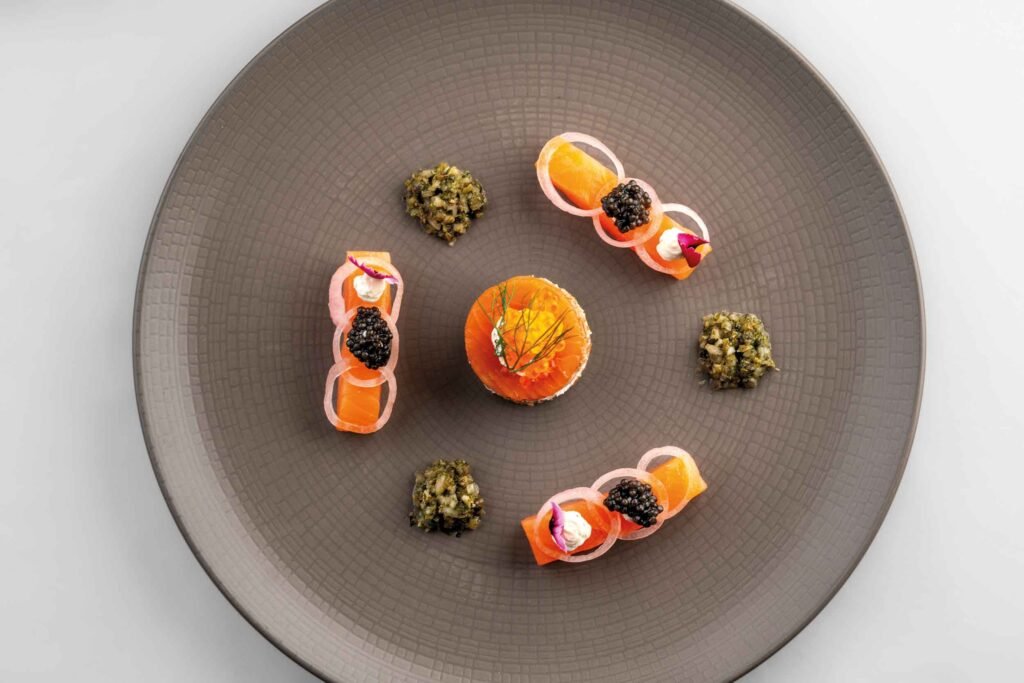
Lunch was served in the Courtyard Brasserie, where a light, fresh menu felt perfectly suited to the sun-dappled room. Salmon tartare, a superfood salad with poached salmon, and braised beef short rib were each thoughtfully balanced, simple in presentation but quietly assured.
More formal dining remains central to club life. Each evening, Executive Chef Henry Brosi – formerly Executive Chef at The Dorchester for over two decades – delivers a menu shaped by seasonal British and European produce, with an emphasis on technical precision and classic refinement. The club offers a range of distinctive settings, from the Dining Room for breakfast, lunch, and dinner to coffee later in the Adam Drawing Room, where the pace softens further.
A sense of occasion
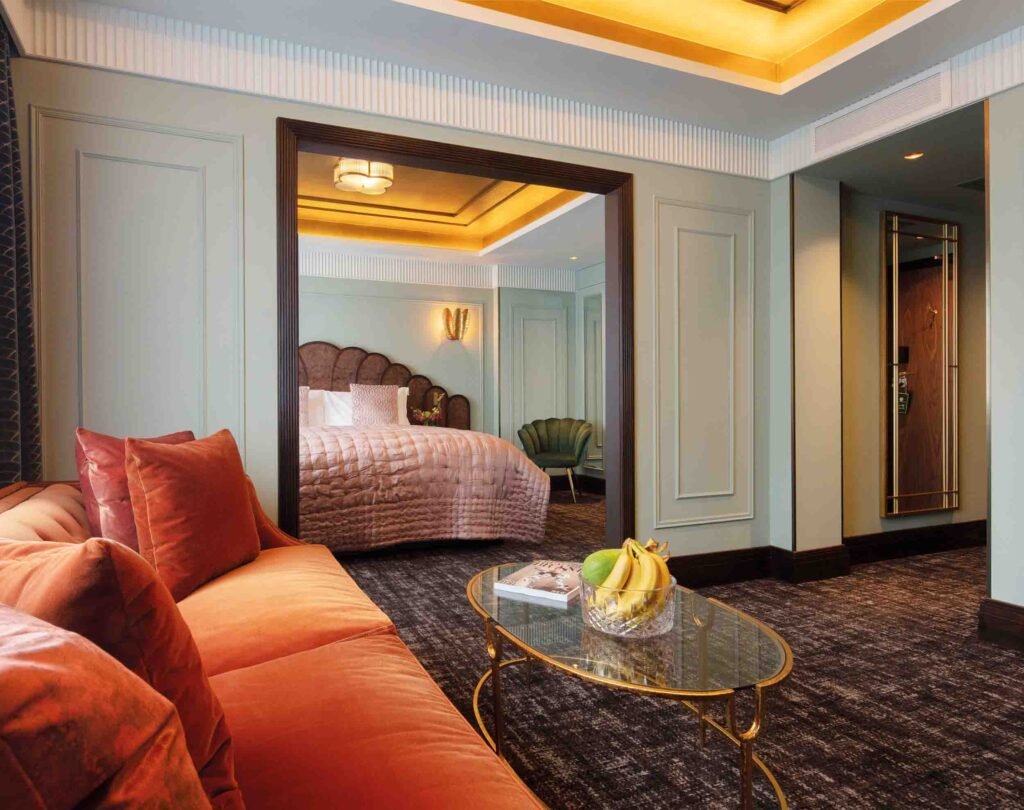
Greeted by welcome chocolates, I spent the night in a Deluxe Suite, a calm, elegant, quietly luxurious retreat from the city beyond. A king-sized bed anchors the space, complemented by a sitting area with a chaise longue by the window, providing an inviting spot for reading, reflection, or simply watching the rhythms of Mayfair below.
The suite is thoughtfully arranged for both comfort and practicality, with generous wardrobes, a writing desk, dressing table, and tea and coffee facilities. The marble bathroom, with its deep tub, plush white robes, and Jo Loves amenities, completes the experience. Every detail feels carefully considered, balancing historical character with modern ease.
Breakfast, taken in the art deco dining room with newspapers in hand, offered a fitting start to the day. Afterwards, I retreated to the quiet grandeur of the drawing room to reflect further on the history that surrounds the club. The Lansdowne is a renowned setting for business meetings, lectures, and exhibitions, yet it is the ballroom that truly impresses as an exceptional space for weddings and private events.
Elsewhere, the Shelburne, Findlay, and Sun Rooms, along with the Library, carry their own sense of occasion, each paired with bespoke menus and accommodation. Reciprocal arrangements with clubs worldwide extend The Lansdowne Club’s reach well beyond Mayfair.
Touché
Health and fitness form a central part of the club’s offering. A two-floor gym, squash courts, a fencing salle, and a 25-yard pool, set within a striking art deco interior, provide a strong sense of balance between activity and atmosphere.
It is in the fencing, however, that the club’s history feels most alive. The salle d’armes, established in 1935 by members of the Royal Automobile Club, remains in active use today. Coaching and informal competition continue much as they always have. The sharp ping of foils and the crisp rhythm of footwork echo through the space, creating something almost musical – an atmosphere defined by focus and grace rather than aggression.
Fencing here is open to all levels. Beginners are guided by experienced instructors, while more seasoned fencers take part in structured classes, private coaching, or friendly bouts. It is not simply exercise, but a discipline of precision and poise. In many ways, it mirrors the club itself: measured yet social, traditional yet quietly evolving, a place where past and present sit seamlessly side by side.
To belong
Membership at The Lansdowne Club is by proposal and election, helping to foster a welcoming, like-minded community. Prospective members are usually proposed and seconded by two existing members of at least twelve months’ standing. Those without a proposer and seconder can instead submit an expression of interest and attend an Applications Panel, with all applications ultimately reviewed by the Club’s Council.
Membership offers access to the club’s historic spaces, luxury suites, dining venues, fitness facilities, and social events, as well as reciprocal arrangements with private clubs across the UK and internationally. The club continues its long-standing commitment to inclusivity, welcoming men and women on equal terms.
With over 260 years of history and 90 years as a private members’ club, The Lansdowne maintains a legacy of equality, cultural preservation, and social life. It is a place to pause, to feel at ease – and, above all, to belong.
Further information
lansdowneclub.com
About the author
Donna Richardson is a luxury lifestyle and travel writer. She has appeared in ‘Wanderlust’ and ‘Women’s Fitness’. Follow her on Instagram: @journo_donna