


The Authentic Heritage Collection brings together some of Spain’s most distinctive independent luxury hotels, creating a carefully curated portfolio of boutique hotels, private residences, and stunning heritage-led destinations.
Rooted in family ownership and local knowledge, each property acts as a custodian of its surroundings, offering a more personal and meaningful way to experience Spain.
What unites the collection is a commitment to small-scale tourism, where authenticity, gastronomy, heritage and local character take priority over scale and spectacle. From the rugged landscapes and rich cuisine of northern Spain, to the medieval towns of central Spain and the Balearic charm of Ibiza, these are places deeply connected to their environment and identity.
Luxury was once defined by excess – polished surfaces, grand lobbies and exclusivity – whereas today’s traveller is increasingly searching for something more grounded and authentic. People want experiences with meaning and places with history, individuality and a genuine connection to the local culture and landscape.
That is exactly where the Authentic Heritage Collection comes in. Rather than functioning as a traditional hotel group, it operates as a network of independently owned properties rooted in Spain’s regional identities, where heritage, landscape and community are treated as one.
The collection offers a more responsible approach to luxury tourism, focused on restoration, preservation and long-term connection to the communities around it.
History to the fore
One of the defining features of the Authentic Heritage Collection is its focus on breathing new life into historic buildings rather than creating new developments. Across the portfolio, monasteries, palaces, manor houses and rural estates have been carefully restored and adapted for contemporary use.
But these restorations are about far more than aesthetics. Spain’s architecture reflects centuries of history, shaped by Roman, Islamic, Gothic and Renaissance influences that vary dramatically from region to region. Preserving these buildings helps ensure that this layered history remains visible within modern Spain.
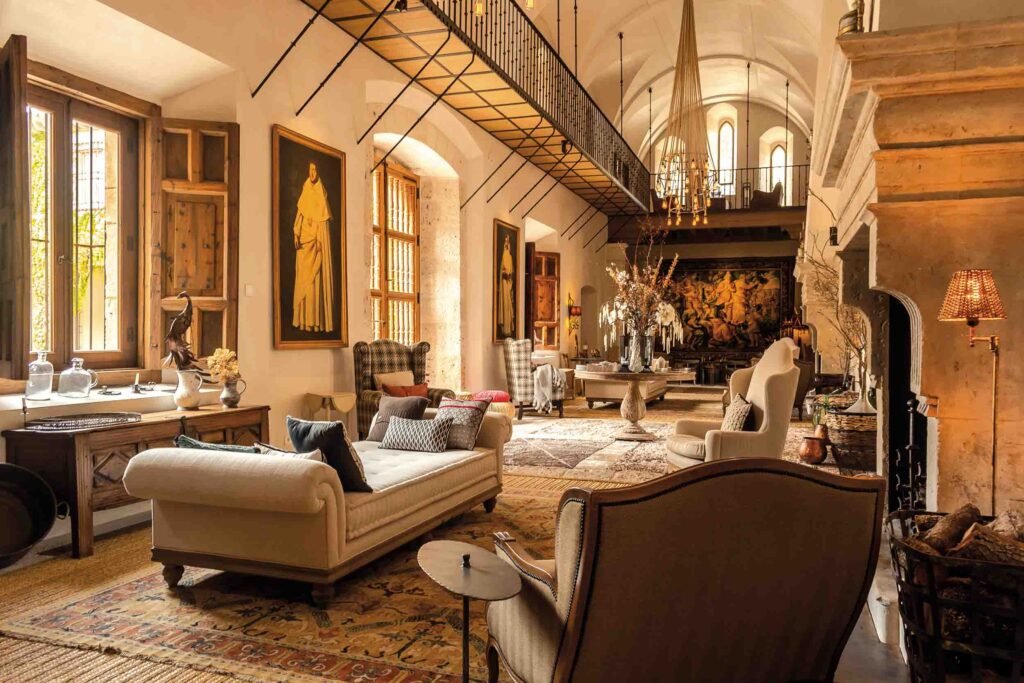
Examples include Monasterio de San Pelayo in Palencia, a 10th-century monastery restored over the course of a decade using traditional craftsmanship and original materials. The restoration was led by acclaimed architects Rafael Manzano and Antonio Conejero Urbán, and took 10 years and 120 people to complete. The team ensures the experience is entirely personalised and unique. From private flamenco or classical music concerts in the gardens and floristry workshops, to a night spent sleeping under the stars in a beautifully appointed al fresco suite.
In La Rioja, Palacio de Samaniego reimagines a 17th-century noble residence as a contemporary cultural retreat. It is the only hotel owned by the Rothschild family outside of France, and offers a rare blend of heritage, art, and contemporary luxury in Spain’s most celebrated wine region.
This approach also brings significant environmental benefits. Restoring existing buildings dramatically reduces the impact associated with new construction and avoids the unnecessary waste that comes with building new properties from scratch. The collection demonstrates how heritage conservation and sustainability can work hand in hand. These buildings are not treated as monuments frozen in time, but as living spaces designed to be experienced and enjoyed by the modern traveller.
A celebration of individuality
What makes the collection particularly unique is the way each property reflects its region. These are not chain hotels that could exist anywhere in the world. Instead, each one is shaped by the traditions, materials, agriculture and history of its surroundings.
That regional identity is not only visible in the architecture, but also in the craftsmanship, food and pace of life. It embraces both old and new, helping to keep local traditions alive – something that has increasingly become lost within parts of the global luxury travel market.
There is also a strong sense of individuality running throughout the collection. No two properties feel the same because no two regions of Spain are the same. Whether it is the dramatic green coastline of Cantabria, the vineyard landscapes of La Rioja or the sun-soaked elegance of Andalucía, each destination feels rooted in place rather than designed to follow international luxury trends.
Travellers want to feel connected to where they are staying and understand the culture around them rather than experience a version of luxury that could exist in any country.
Giving back to the community
Another defining characteristic of the collection is its commitment to supporting local communities and preserving regional economies. Rather than relying on imported goods or mass-produced experiences, the properties work closely with local producers, artisans and farmers. This strengthens regional supply chains, supports traditional skills and reduces dependence on large-scale production.
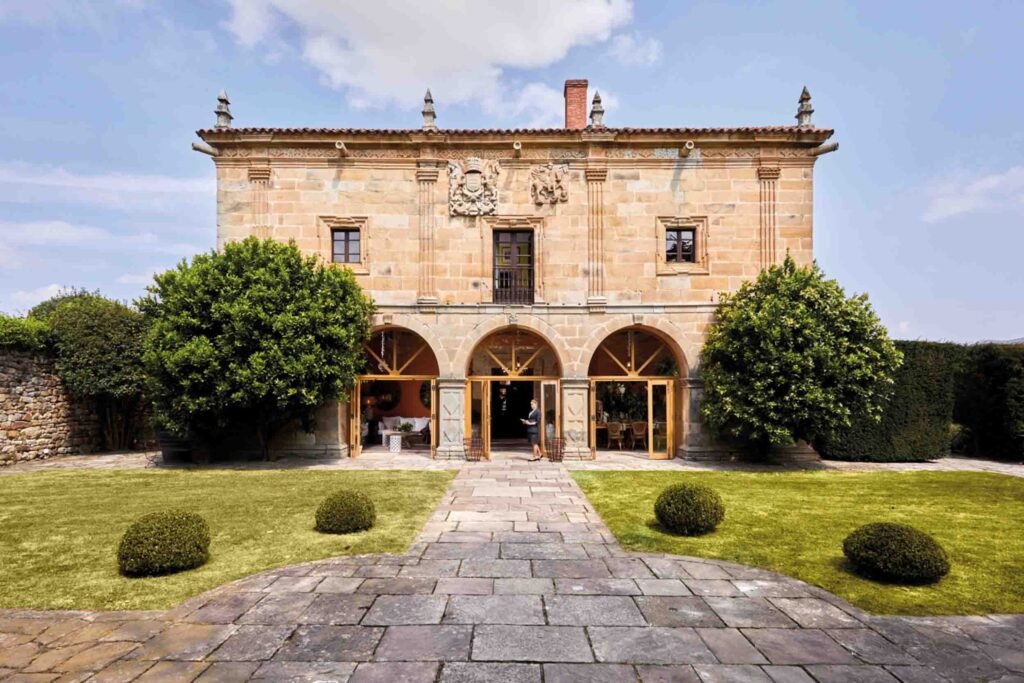
In northern Spain, Palacio Helguera in Cantabria reflects the landscape often referred to as ‘Green Spain.’ The restored historic stone cottage overlooks the rolling valleys beyond, while guests can enjoy the luxury spa and cuisine at Trastámara Restaurant, which showcases local producers and the products of the area.
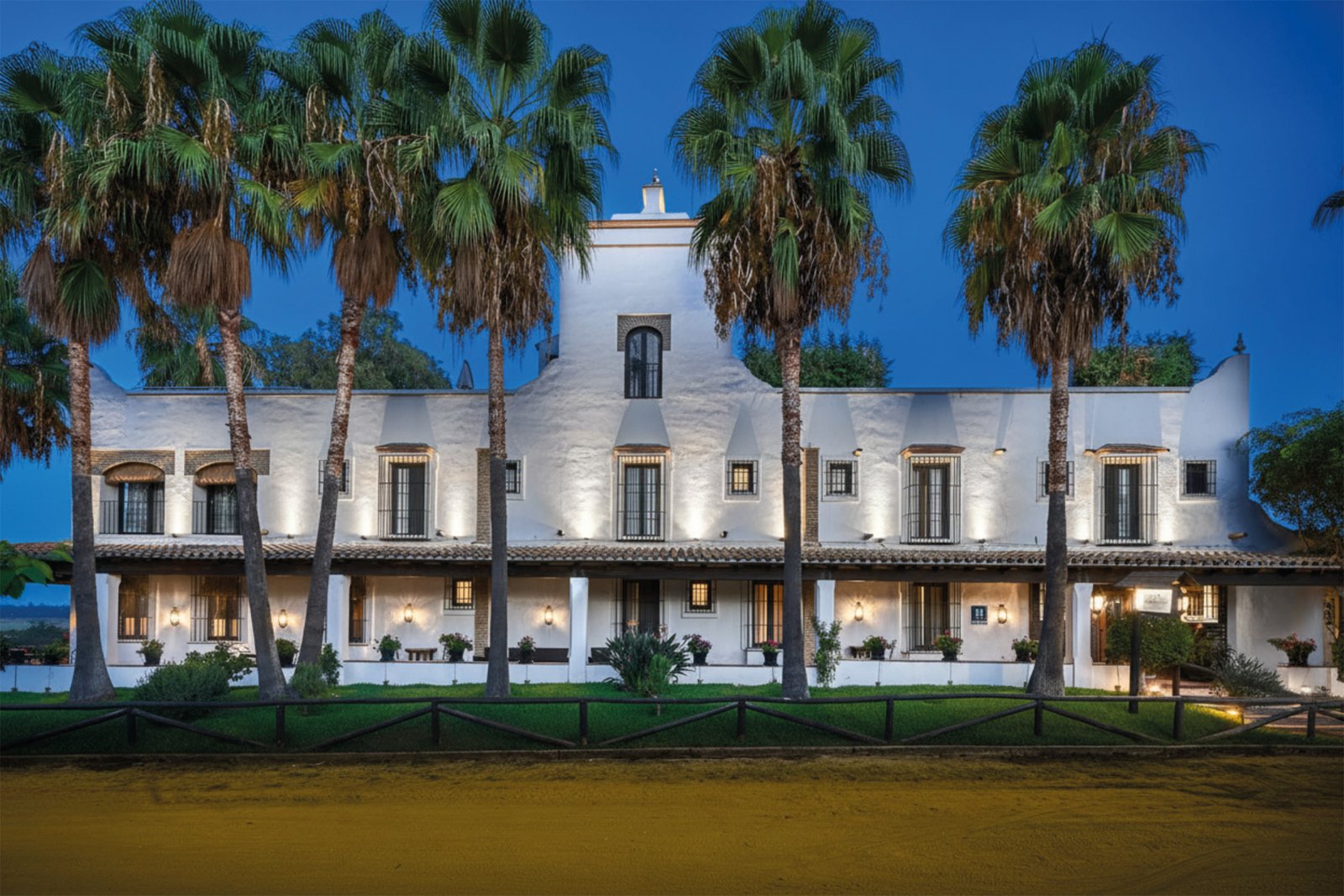
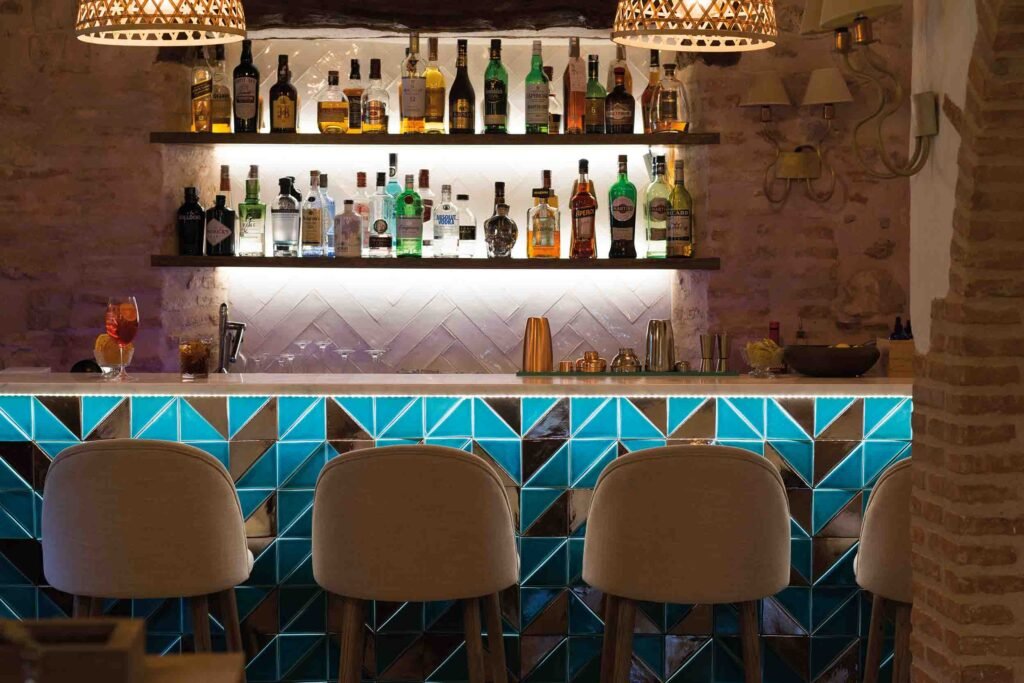
Meanwhile, in Seville, Casa Palacio Don Ramón showcases Andalucía’s grand heritage through ceramic craftsmanship and locally inspired design. Designed by renowned interior designer Alejandra Pombo, her inspiration came from the rich tapestry of cultures that have shaped this iconic region. At its heart lies a serene central courtyard made with intricate tiles and creates a tranquil oasis amid Seville’s vibrant streets. This approach ensures tourism remains connected to local culture, communities and economies, rather than operating separately from them.
The collection also reflects a wider shift taking place within luxury travel, where sustainability is no longer viewed as an optional extra, but as an essential part of the overall experience. Increasingly, travellers want to know where their products come from, who made them and how a property interacts with the surrounding environment.
What makes the Authentic Heritage Collection particularly interesting is that sustainability is woven naturally into each property rather than presented as a marketing exercise. It feels embedded within the buildings, the food, the local partnerships and the overall philosophy behind the collection.
Locally sourced, totally delicious
Food plays a central role in the collection’s sustainability story, particularly through hyper-local sourcing, ecological farming and land regeneration projects. At Molino de Alcuneza, a restored 15th-century flour mill in Castilla-La Mancha, gastronomy is treated as an extension of the surrounding landscape. The property’s Michelin-starred restaurant has also been awarded a Green Star in recognition of its commitment to sustainable gastronomy. Ingredients are sourced primarily from the hotel’s ecological gardens or nearby farms, creating short supply chains built around seasonality and local biodiversity.
But the sustainability efforts extend well beyond the kitchen. The estate is involved in active land regeneration projects including reforestation, truffle cultivation and pistachio planting, helping restore biodiversity to previously degraded land.
Guests are encouraged to take part in foraging experiences, guided walks and stargazing sessions within the area’s protected Starlight Reserve. It creates a much deeper connection between hospitality, food production and the environment. This is a very different approach to luxury dining – one where gastronomy is completely shaped by the surrounding environment.
Across the collection, food becomes a way of telling the story of a region. Menus are shaped by local produce and traditional recipes rather than international dining trends. It creates a more authentic experience for guests while also supporting nearby farmers, winemakers and producers.
In many ways, gastronomy acts as a bridge between luxury tourism and cultural preservation. Spain’s regional food culture is incredibly diverse, and these properties help protect and celebrate that identity through experiences that feel deeply connected to place.
Uplift off the beaten track
An equally important part of the collection is its role in supporting rural and regional Spain, particularly in areas outside mainstream tourist routes. Many of the properties are located away from Spain’s busiest tourist spots. By creating small-scale luxury hospitality businesses using local supply chains, the collection helps redistribute tourism beyond the country’s major destinations.
Employment is typically local, while partnerships with nearby producers, guides and craftspeople help support independent businesses and regional economies. Whether through craftsmanship, agriculture, architecture or gastronomy, the collection creates opportunities for local heritage to remain part of everyday life rather than becoming something purely preserved for tourism.
There is also something far more balanced about this style of travel. Smaller-scale properties naturally create a slower and more thoughtful experience, encouraging visitors to engage more deeply with the destination rather than simply consume it. That slower pace seems increasingly important within modern luxury travel, particularly as concerns continue to grow around overtourism and the environmental pressures created by large-scale developments.
Preserving character
The Authentic Heritage Collection reflects an increasingly popular form of luxury travel – one that is less about performance and excess, and far more about authenticity, individuality and connection. What the collection demonstrates particularly well is that culture, sustainability and luxury are no longer separate ideas.
In Spain, where history, craftsmanship and regional identity are so deeply intertwined, that approach feels especially powerful. The Authentic Heritage Collection does far more than showcase beautiful hotels. It offers a model for how tourism can help preserve the character of a place rather than dilute it. The collection demonstrates how luxury hospitality can actively contribute to the future of a destination while still offering an exceptional experience for travellers.
At a time when many travellers are becoming more conscious about the impact of tourism, that balance feels increasingly valuable. Ultimately, what makes the collection stand out is its sense of authenticity. These are places with stories and personalities. They feel lived in, rooted in history and shaped by the communities around them.
And perhaps that is where the definition of luxury is shifting most. Not towards something louder or more excessive, but towards experiences that feel meaningful, personal and connected to the world around us. The Authentic Heritage Collection captures that shift beautifully, ensuring that Spain’s architectural heritage, regional traditions and cultural landscapes continue not only to survive, but to evolve for future generations.
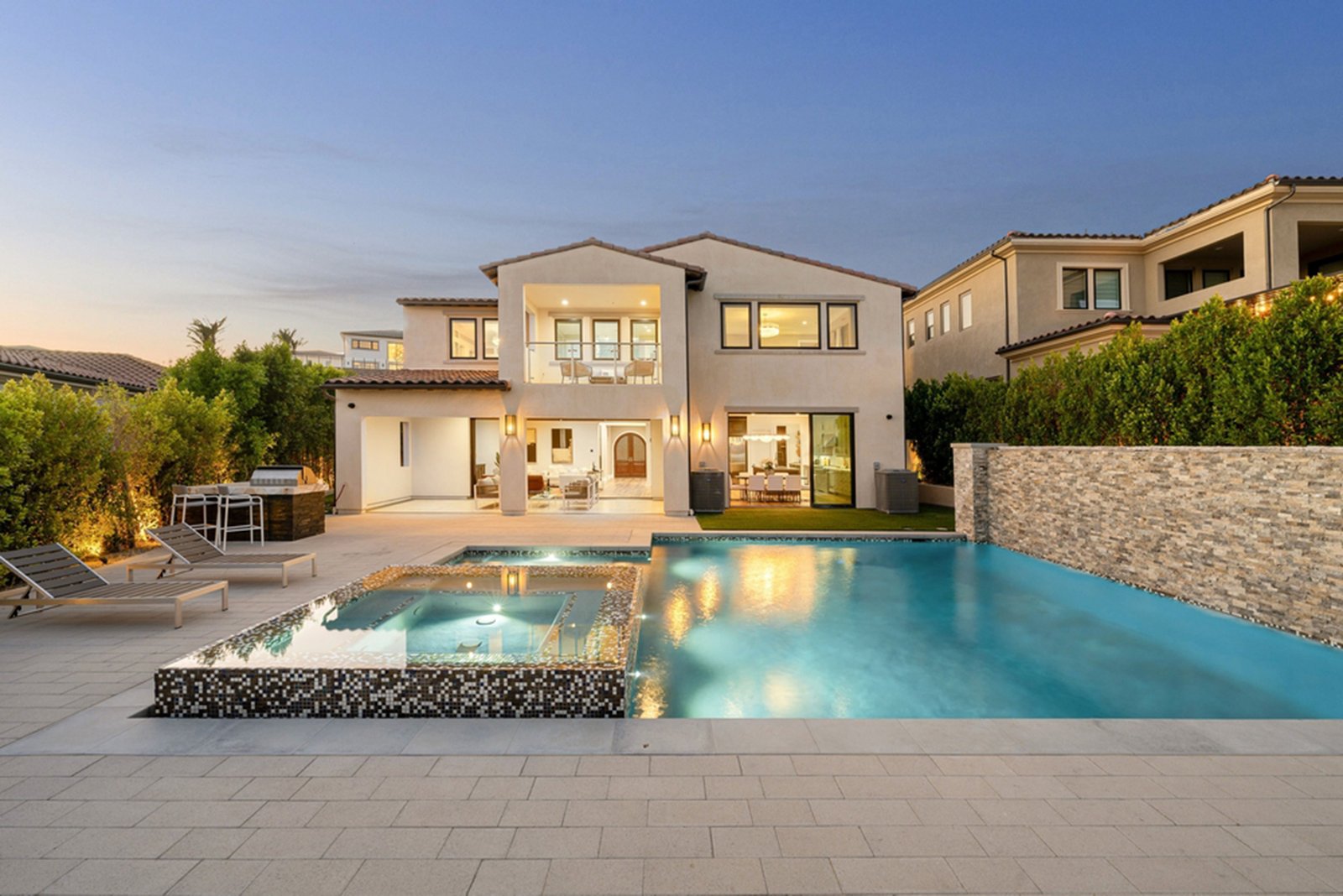
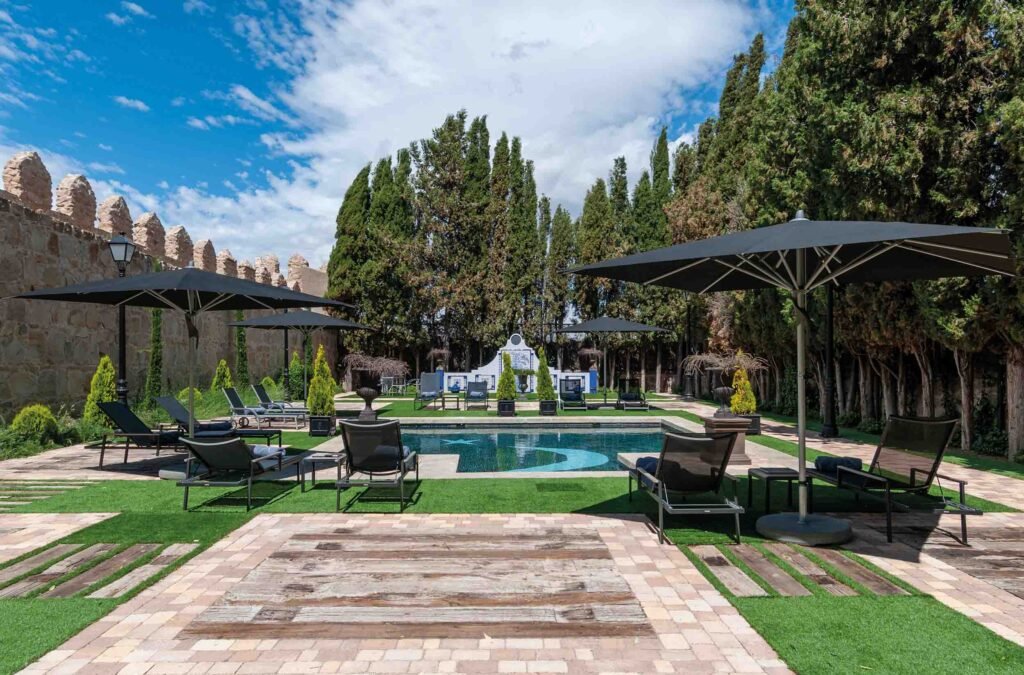
Images: From lead: Hotel La Malvasia; Monasterio de San Pelayo; La Casa del Presidente; Palacio Helguera; Molino de Alcuneza
About the author
Louise Gookey is a freelance writer and presenter specialising in sustainable living. She has worked for ‘Candis’ magazine, Sustainable Fashion Week, and ‘The Sun on Sunday’ among others, and is a Fashion and Textiles Ambassador for the Soil Association. Read more from Louise here.