



There was a time when luxury travel was measured purely by excess: bigger suites, bigger yachts, bigger resorts. Today, that definition is shifting quietly, but unmistakably.
The world’s most affluent travellers are no longer seeking only exclusivity – they are seeking meaning. They demand experiences that feel authentic, intelligent, immersive, and environmentally conscious. Increasingly, luxury is becoming less about overt display and more about quiet discernment and nowhere is this transformation unfolding more profoundly than in the Caribbean.
The Caribbean is no longer just selling paradise; it is selling ‘purposeful’ paradise. Across the region, destinations are aligning tourism growth with sustainability, resilience, and environmental stewardship. From Dominica’s climate-resilient tourism strategy to Barbados’s renewable energy transition and Tobago’s internationally certified beaches, Caribbean destinations are successfully repositioning themselves within a global travel economy increasingly shaped by environmental consciousness and experiential authenticity.
Seeking genuine connections
‘Conscious luxury’ is on the rise, and the expectations of discerning travellers are evolving faster than the tourism industry expected. Today’s high-end guest arrives with a sophisticated set of questions. They want to know whether a resort was built sustainably, whether the destination actively protects its marine ecosystems, and whether local communities are directly benefiting from their visit. They are increasingly interested in whether renewable energy is being utilised on-site and whether an experience feels genuinely connected to local culture and place.
The modern luxury guest is increasingly attracted to destinations that combine sophistication with sustainability. Environmental responsibility has become a new form of prestige, allowing travellers to enjoy premium experiences while aligning with their personal values. Research increasingly supports this shift, with studies finding that affluent travellers show growing preference for destinations that integrate authenticity, local culture, wellness, and conservation into premium tourism experiences. Scholars have also noted that sustainability certifications can positively influence perceptions of service quality, trust, and destination reputation.
Furthermore, research within sustainable tourism has increasingly examined how climate awareness is reshaping global tourism demand, while studies published in the Journal of Sustainable Tourism have highlighted growing consumer demand for sustainable luxury experiences and environmentally responsible travel behaviour. The Caribbean finds itself perfectly positioned for this new era.
Eco-labels: Luxury’s quietest flex
One of the most significant shifts across Caribbean tourism is the rise of eco-label certifications. Once viewed as technical environmental distinctions, certifications such as Green Key, Blue Flag, EarthCheck, and Green Globe are increasingly becoming symbols of premium travel credibility. To luxury travellers, these certifications communicate environmental excellence, operational sophistication, and responsible destination management. Research published in journals such as Tourism Management and Ocean & Coastal Management has highlighted the growing importance of environmental governance and coastal sustainability in shaping traveller perceptions and destination value.
At the forefront of change
Few destinations embody this movement more naturally than Tobago. Long celebrated for its understated charm and unspoiled beauty, the island is quietly positioning itself as one of the Caribbean’s most compelling sustainable destinations. Through initiatives such as the internationally recognised Blue Flag programme, Tobago has strengthened its reputation for environmental quality, sustainable coastal management, and marine conservation. Combined with its lower-density tourism model, the island offers a form of luxury increasingly defined by privacy, authenticity, nature-based immersion, and environmental stewardship.
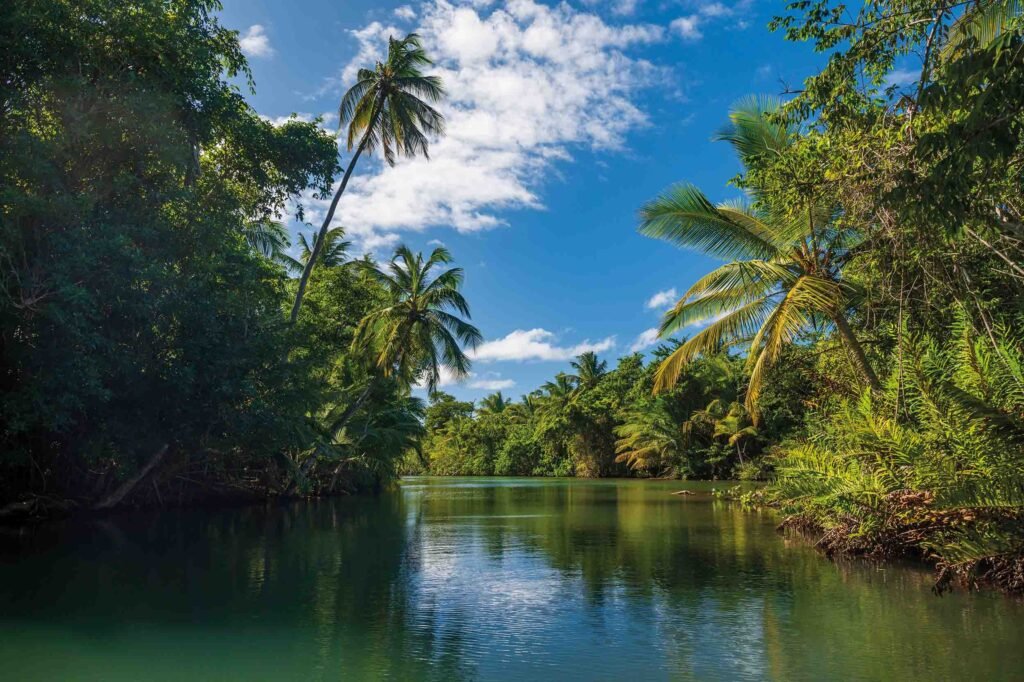
Meanwhile, Dominica is redefining luxury through what many tourism analysts describe as ‘wild luxury’ – immersive, low-impact experiences rooted in biodiversity, wellness, and conservation. More than 60% of its land area remains forested, making it one of the most preserved islands in the Caribbean and reinforcing its positioning as the region’s premier nature destination.
Following Hurricane Maria, the island committed itself to becoming the world’s first climate-resilient nation, a vision that now shapes tourism development through investments in eco-lodges, geothermal energy, resilient infrastructure, and nature-based experiences. The result is a distinctly transformational form of luxury that reconnects visitors with nature while demonstrating how resilience and sustainability can become powerful tourism assets.
Head south-east to Barbados and we find one of the Caribbean’s renewable energy pioneers – its solar water heating programme saves an estimated 130,000 barrels of oil annually and reduces national carbon emissions by more than 4%. The island is increasingly integrating sustainability into its luxury tourism through locally sourced cuisine, marine conservation initiatives, wellness tourism, and environmentally conscious hospitality operations. Rather than diminishing luxury, sustainability enhances it, reflecting global trends that favour experiential richness, authenticity, and meaningful cultural connection over traditional displays of excess.
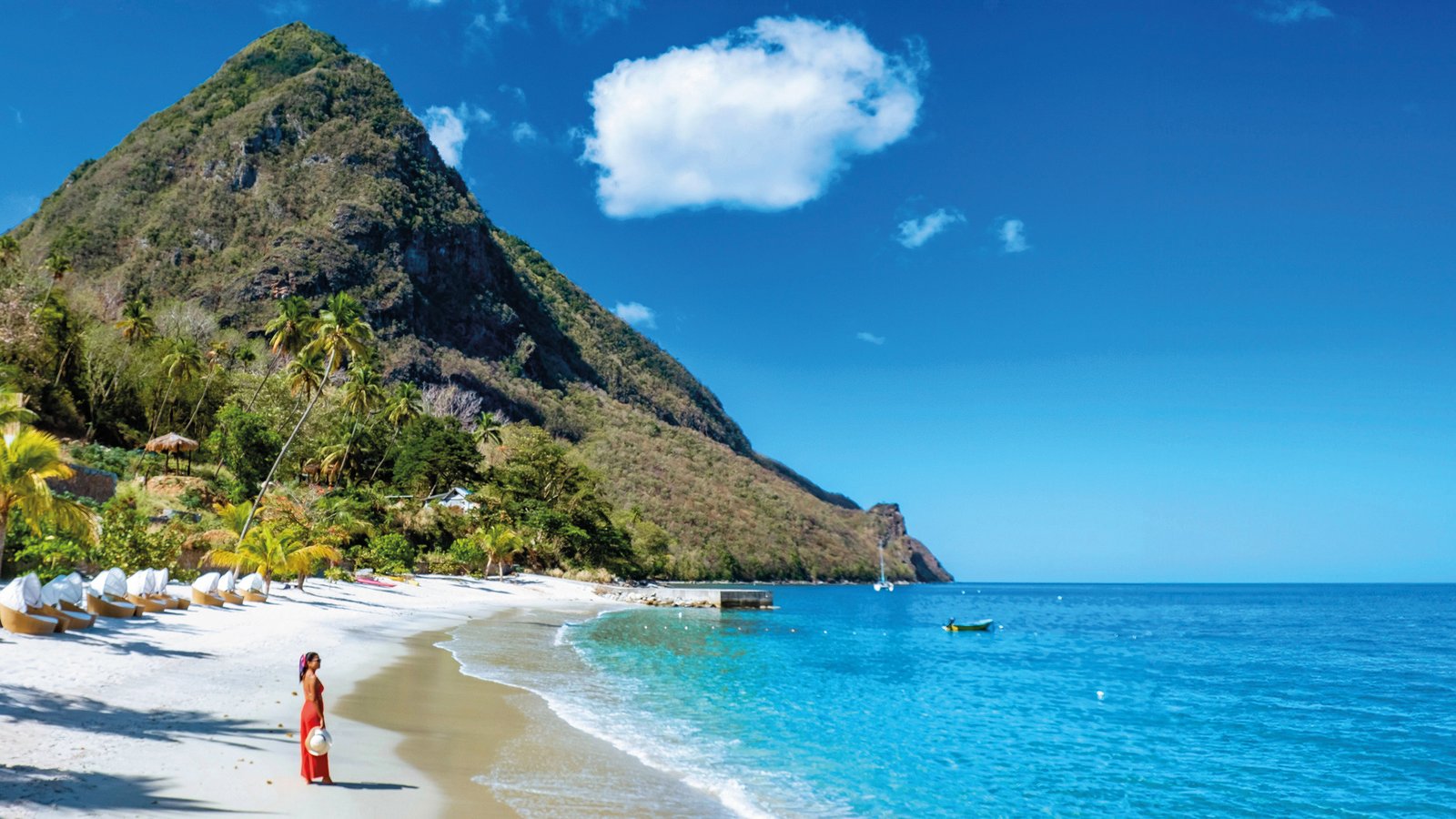
Saint Lucia is also emerging as a leader in sustainable luxury through its blend of wellness tourism, rainforest retreats, marine conservation, and community-linked visitor experiences. From boutique eco-retreats to wellness escapes overlooking the iconic Pitons, the island reflects a broader shift toward regenerative tourism — an approach that seeks not only to sustain destinations, but to actively restore ecosystems, strengthen local communities, and deepen cultural connection.
Climate-smart tourism: A competitive edge
The Caribbean is among the most climate-vulnerable regions in the world. Rising sea levels, stronger storms, coral bleaching, and coastal erosion threaten the very tourism industry that powers many regional economies. But rather than retreating from the challenge, many Caribbean destinations are using climate pressure as a catalyst for reinvention.
Climate-smart tourism development – including renewable energy, resilient infrastructure, sustainable architecture, ecosystem protection, and eco-certification – is becoming essential to maintaining long-term tourism competitiveness. Across the region, governments, tourism authorities, and private sector stakeholders increasingly recognise that sustainability is no longer simply an environmental obligation, it is an economic imperative and a powerful market differentiator. Increasingly, luxury travellers are rewarding destinations that demonstrate leadership. In the future of travel, resilience itself may become part of the luxury experience.
A region embracing change
For decades, the Caribbean’s greatest tourism asset was its natural beauty. Today, it may be something even more powerful: its ability to evolve. The region is proving that luxury can be elegant without being wasteful, exclusive without being disconnected, and sophisticated without sacrificing authenticity. The Caribbean is no longer simply offering escape; it is offering experiences that feel intentional, immersive, restorative, and future-facing.
In an era defined by climate uncertainty and growing environmental awareness, the Caribbean’s greatest luxury may no longer be its beaches alone, but its ability to offer experiences that combine beauty, purpose, and environmental responsibility. The future of luxury travel may belong to destinations that protect what makes them extraordinary in the first place.
Further information
onecaribbean.org
About the author
Narendra Ramgulam is Deputy Director of Sustainable Tourism at the Caribbean Tourism Organization.