




Please introduce us to Enness Global and the range of services you provide.
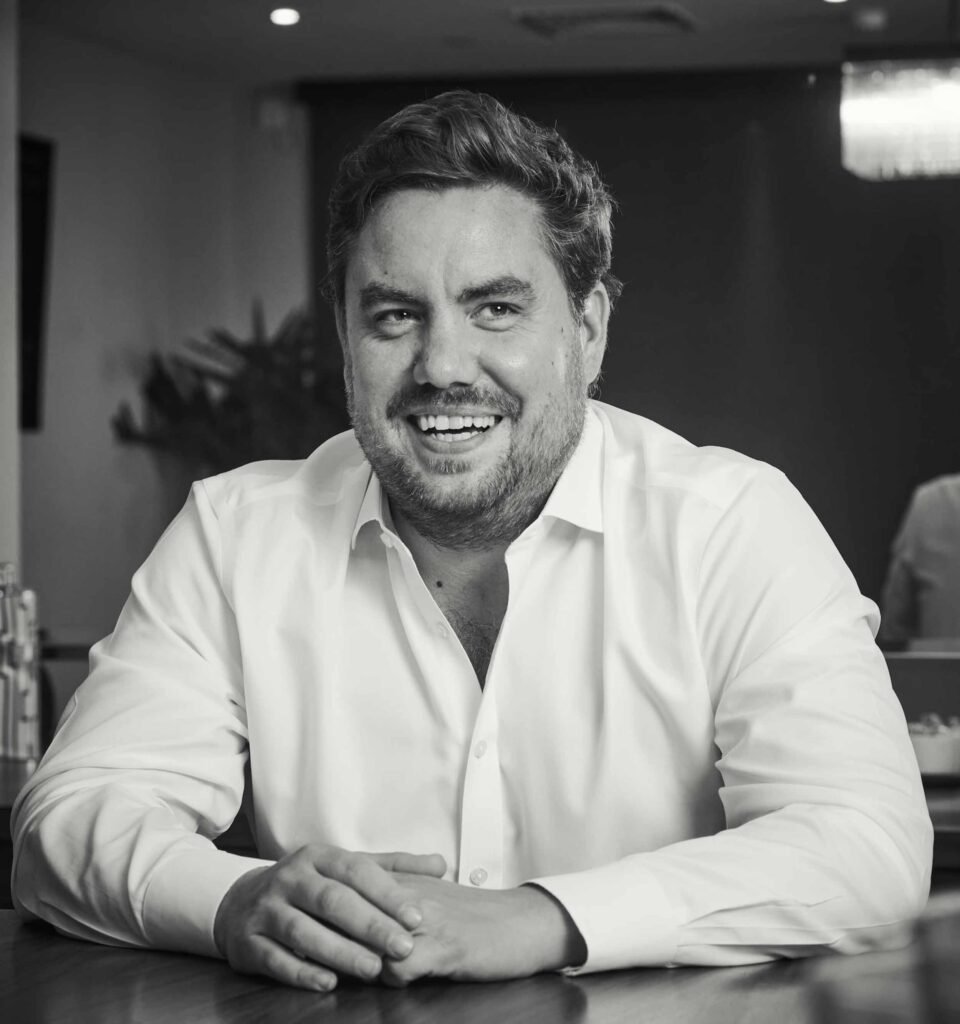
Enness Global is a specialist finance broker for high-net-worth and ultra-high-net-worth clients. We arrange large and complex mortgages, bridging finance, securities-backed lending, crypto-backed loans, business finance, and lending against luxury assets such as fine art, yachts, and supercars. I founded the firm in 2007. We are headquartered in Mayfair and operate internationally, with offices in London, Dubai, Jersey, Geneva, Zurich, Nice, and Monaco, and we are regulated by the Financial Conduct Authority.
The work is different from mainstream finance because our clients tend to have complicated financial lives. They might own businesses across several jurisdictions, hold significant investment portfolios, have exposure to private equity or cryptocurrency, or be buying prime property in more than one country. Standard banking products are built for standard situations, and these are rarely standard.
A client recently put it well: the issue was never whether the wealth existed, it was whether a lender could see it clearly enough to lend against it. That is the gap we work in. We have access to a wide network of lenders and private banks, and our role is to structure finance so clients can preserve capital, keep their flexibility, and stay invested rather than selling assets to free up cash.
What trends are you currently seeing among high-net-worth clients in 2025 and 2026, and how are these shaping the finance market?
Three shifts stand out. Wealth is more diversified, clients are more globally mobile, and alternative assets have matured to the point where people borrow against them rather than sell.
Take diversification first. A single client’s wealth today might sit across international property, private equity, listed investments, digital assets, and operating businesses. No one lender sees the whole picture, so the financing must take a holistic view rather than fixating on one asset.
Global mobility is the second. More clients live across borders, own homes in several countries, and structure their affairs internationally. Cross-border finance has gone from a niche request to a routine one.
The third is the maturing of alternative assets. Cryptocurrency, private equity stakes, art, and luxury assets are increasingly treated as collateral, not just holdings. A client with a substantial Bitcoin position would historically have sold to buy property. Now they would rather borrow against it and keep the upside.
The thread connecting all three is flexibility. Wealthy clients want access to capital without disrupting a long-term strategy, and lenders have become noticeably more creative in helping them do it.
You describe yourselves as “leading bridging finance brokers”. What exactly is bridging finance, when is it most useful, and how does Enness help clients find the right solution?
Bridging finance is short-term funding, usually secured against property, used when timing matters more than anything else. It buys speed.
Property opportunities rarely wait for a traditional mortgage to clear. A client might be buying a new home before selling the existing one, acquiring an asset at auction, funding a refurbishment, or closing a time-sensitive purchase. Bridging covers that gap.
For high-net-worth individuals, bridging is less about necessity and more about choice. It lets a client act decisively without being forced to sell an asset at the wrong moment in the cycle. Consider a buyer who agrees to acquire a property before their existing one has sold. The deposit is not the problem; the timing is. Bridging closes that window.
What is less understood is that no two bridging deals look alike. Every client has a different asset base, income profile, and objective, so the work is finding a lender that reads the whole situation rather than running it through a template. We take time to understand the client’s overall position first, then structure around it, drawing on a network of specialist lenders, private banks, and alternative funders that most clients could not reach directly.
Bridging finance, used properly, is about certainty and speed. When something valuable comes up, the job is making sure a client can move with confidence on terms that fit the wider plan. As with any borrowing secured against property, the asset is at risk if the loan is not repaid, which is why the exit strategy matters as much as the rate.
You work across several asset classes, from supercars and fine art to property and other high-value assets. How does finance differ across these areas, and what goes on behind the scenes to structure these types of deals?
Every asset class has its own language, risks, and lending logic. Property is the most established because lenders are comfortable valuing real estate and securing against it. Move into fine art, classic cars, yachts, or private company shares and it becomes far more specialised.
With fine art, a lender needs to understand provenance, authenticity, insurance, and how quickly the piece could sell. With supercars, condition, rarity, and resale demand decide everything. With securities or private equity, the questions turn to volatility, ownership structure, and how an exit would actually work.
Most of the work happens out of sight. A single deal can pull together valuers, lawyers, tax advisers, private banks, and specialist lenders, each looking at the same asset differently. Our job is knowing how each one perceives risk, then finding the most efficient route to release capital without anyone in the chain getting uncomfortable.
Crypto finance remains a relatively new concept for many investors. What services do you offer in this area, and what are the key things investors should understand before getting involved?
Crypto-backed lending lets an investor borrow against digital assets such as Bitcoin or Ethereum rather than selling them. We arrange these facilities for purposes such as property purchases, business investment, and broader wealth planning. The appeal is straightforward: a client unlocks capital while keeping exposure to the long-term growth of their holdings.
The market has matured considerably in recent years, but it remains specialist, and the risks deserve respect. Cryptocurrency is volatile, and that volatility drives everything about how these loans work. If the value of the collateral falls, a lender may issue a margin call requiring the borrower to add assets or repay part of the loan. Loan-to-value ratios are set conservatively for that reason, and custody arrangements, where and how the assets are held, vary significantly between lenders.
Two things matter most before getting involved: understanding exactly what triggers a margin call and choosing a lender whose custody and terms you are genuinely comfortable with. This is where structuring and lender selection earn their keep. Our role is to help clients navigate that complexity and make sure any facility fits sensibly within the wider picture rather than introducing a risk they have not properly weighed.
Can you share an example of a particularly complex client case, and explain how Enness was able to structure a successful solution?
One recent example involved a UK-based high-net-worth client with foreign income who wanted to purchase a new property while also carrying out a major redevelopment of their existing London home. The redevelopment project involved extensive structural works, significant internal modernisation, and a substantial refurbishment budget over approximately two years. At the same time, the client wanted to complete the acquisition without compromising liquidity or disrupting broader wealth planning. Although the client had strong earnings and substantial liquidity, structuring the right facility was complex. The client earned in US dollars, creating a potential currency mismatch between income and debt servicing under a traditional sterling mortgage.
Enness structured a bespoke facility at circa 80% loan-to-value secured across both properties. The structure released sufficient capital to fund the property acquisition while also providing a circa £1.5M drawdown facility secured against the client’s previously unencumbered London residence to support refurbishment costs. Crucially, the mortgage was denominated in US dollars, aligning the debt directly with the client’s income and reducing foreign exchange friction on repayments. The structure included a requirement for overall leverage to reduce to circa 70% loan-to-value across both properties within 24 months. As a result, the client completed the acquisition, fully funded the refurbishment, preserved liquidity, and benefited from a financing structure tailored to their long-term wealth strategy.
Further information
ennessglobal.com