


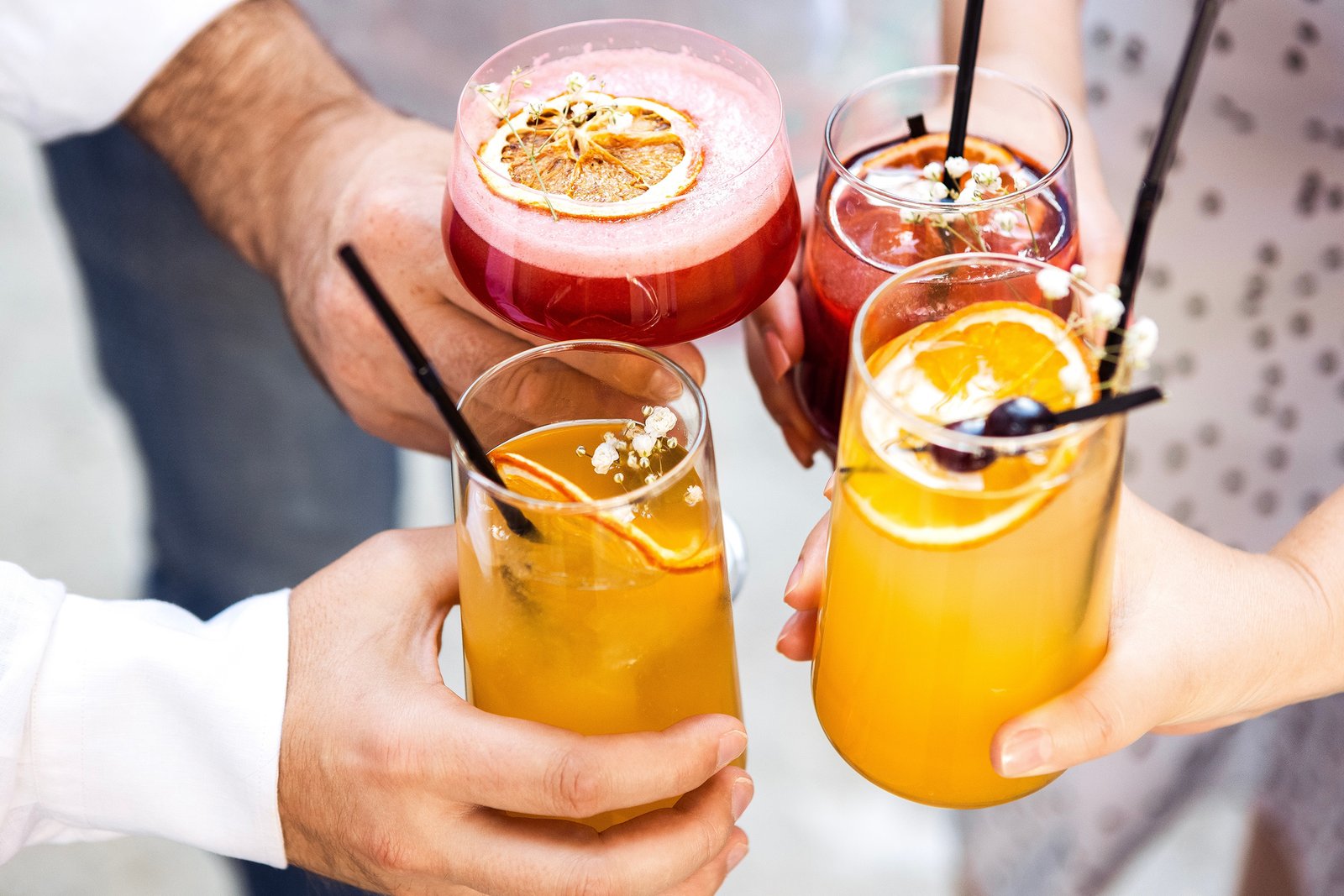
Home becomes the new epicenter of luxury entertainment as the trend of premium at-home cocktails takes off. Luxury consumers are transforming their living spaces into chic bars where craft and cocktail artistry blend. This burgeoning interest not only elevates evenings but also shapes purchasing patterns among high-end clientele. With this shift, devotees are constantly on the lookout for exclusive offers and Mission Drinks discount codes to indulge in a refined drinking experience without leaving their homes.
Crafting the Perfect Ambiance
Luxury consumers aren’t just “making drinks at home.” They’re staging the whole scene. The living room becomes a low-lit lounge. The kitchen island turns into a service bar. And the home bar itself shifts from a random shelf of bottles to something curated, deliberate, and quietly impressive. Start with the backbone: a tight, high-quality spirits lineup that signals taste without trying too hard – one standout gin, a sipping tequila, a serious whiskey, maybe a grown-up rum. Not twenty bottles collecting dust, but a smaller roster that earns its place. Then come the supporting players: artisanal tonic, small-batch bitters, salted syrups, proper vermouth that actually lives in the fridge, and garnishes that aren’t an afterthought (good olives, real maraschino cherries, citrus when it’s fresh—not sad lemon wedges).
Glassware is where the vibe locks in. Luxury buyers care about weight, clarity, and feel. A sharp rocks glass. Proper coupes that don’t look like wedding leftovers. A mixing glass that makes the ritual feel intentional. Add a bar spoon with some heft, a jigger that doesn’t spill everywhere, and maybe a minimalist tray to keep things looking clean rather than cluttered. It’s less “look at my tools,” more “everything here belongs.”
Exclusivity shows up in the details. Limited-run bottles, niche aperitifs, a regional amaro you won’t spot at every dinner party. Even the ice gets upgraded to clear cubes, spheres, maybe a dedicated mold that says, without saying, this isn’t a rushed pour. Personalisation matters too: a bar setup tailored to how someone actually drinks. A Negroni person builds differently than a margarita person. Someone who hosts a lot might keep a crowd-pleaser sparkling option ready; someone who drinks solo might go deeper on complex modifiers and bitters.
The point is control. At home, luxury consumers can dial in lighting, music, glass, garnish, and pacing – no loud bar, no compromised cocktail, no waiting. It’s hospitality, but edited. And when it’s done right, the ambiance doesn’t just support the drink. It becomes part of the drink.
The Influence of Mixology Mastery
Luxury used to mean getting dressed up and letting a bartender do the work. Now it’s also about knowing how the work gets done and being able to pull it off at home with quiet confidence. Mixology has shifted from “nice party trick” to full-on hobby culture, especially among consumers who already value craft, detail, and provenance.
A big driver is access. Online masterclasses, bartender-led livestreams, and short-form social content have made technique feel learnable, not gatekept. You can watch someone build a proper Martini in 30 seconds, then go deeper into why dilution matters, how to stir for texture, or what a precise garnish does to aroma. The result: skill-building that’s both addictive and oddly
calming like cooking, but with better glassware. There’s also a status element, but not the loud kind. Knowing how to balance acidity and sweetness, or how to use a tincture without overdoing it, signals taste. Same with the tools: a weighted shaker, a proper jigger, a fine strainer, clear ice. These aren’t just accessories; they’re the at-home equivalent of a tailored jacket, functional, but also part of the identity.
Tom Church, Co-Founder of LastestDeals – the discount code platform, says: “People love mastering something tangible at home when you can make a bar-quality drink yourself, it feels like a small luxury you’ve earned.” What makes this movement stick is the mix of classic respect and creative freedom. On one end, people are chasing the “perfect” versions of standards, Negronis with intentional gin choices, Old Fashioned dialled to personal preference, Margaritas that don’t taste like dessert. On the other, they’re experimenting: swapping base spirits, using premium syrups, adding saline solution for lift, or building seasonal riffs with fresh herbs and citrus. The common thread is quality ingredients and repeatable technique. It’s not chaos. It’s craft.
And unlike going out, home mixology rewards iteration. If a drink lands a little flat, you adjust. Slightly more acid. A different vermouth. A colder glass. That feedback loop is part of the appeal, luxury as something you actively make, not just something you buy.
The Drive for High-End Ingredients
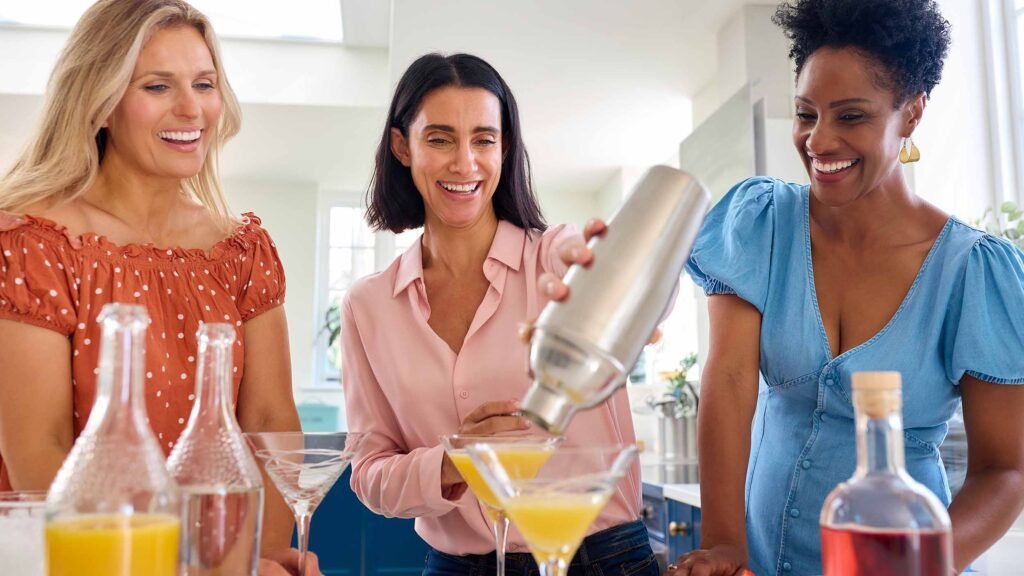
Luxury drinkers aren’t just making cocktails at home, they’re upgrading the raw materials. When the living room becomes the bar, “good enough” spirits start to taste like a compromise.
As a result, the shopping list shifts quickly toward:
- Top-shelf base spirits
- Smaller-batch bottles
- Mixers that don’t read like a chemistry experiment
Premium Spirits Lead the Charge
Premium spirits are at the center of this upgrade. Think:
- Single-estate tequilas
- Small-batch gins with a distinct botanical signature
- Whiskeys finished in uncommon casks
- Vodkas with texture (not just burn)
For this crowd, it’s less about status labels and more about precision, including:
- The specific agave region
- The distiller’s process
- Proof points that change mouthfeel
- How a bottle performs in different builds (e.g., a Negroni vs. a Martini)
The “Supporting Actors” That Elevate the Drink
Then come the ingredients that quietly transform a cocktail from basic to layered. These include:
- Rare liqueurs
- Amaro with real bitterness
- Niche fruit eaux-de-vie
- Terroir-driven vermouths that don’t collapse after a week in the fridge
- Luxury bitters
A home bar starts to resemble a chef’s pantry: fewer items, higher quality, and each chosen for a reason.
Mixers Get the Same Treatment
Mixers have evolved from an afterthought to a key purchase category. Luxury consumers are reaching for:
- Organic tonics
- Low-sugar ginger beers with real heat
- Cold-pressed juices
- Syrups made with actual botanicals (not neon “flavor”)
They want clean ingredients and clean finishes, especially in simpler drinks where there’s nowhere to hide. In a highball with two or three components, the quality gap is loud.
The Real Driver: Uniqueness
Underneath all of this is the chase for something personal and hard to replicate.
Everyone can make an Espresso Martini. Not everyone can make one with:
- A specialty coffee liqueur
- A spirit that doesn’t get lost under espresso
- A syrup that tastes like vanilla bean, not vanilla candy
The goal is a signature: drinks that feel specific, intentional, and uniquely “theirs.”
Premium at-home cocktail culture isn’t about stockpiling bottles. It’s about curating ingredients that earn their spot because luxury, here, is the difference between “nice” and “nailed it.”
Staying Connected While Apart
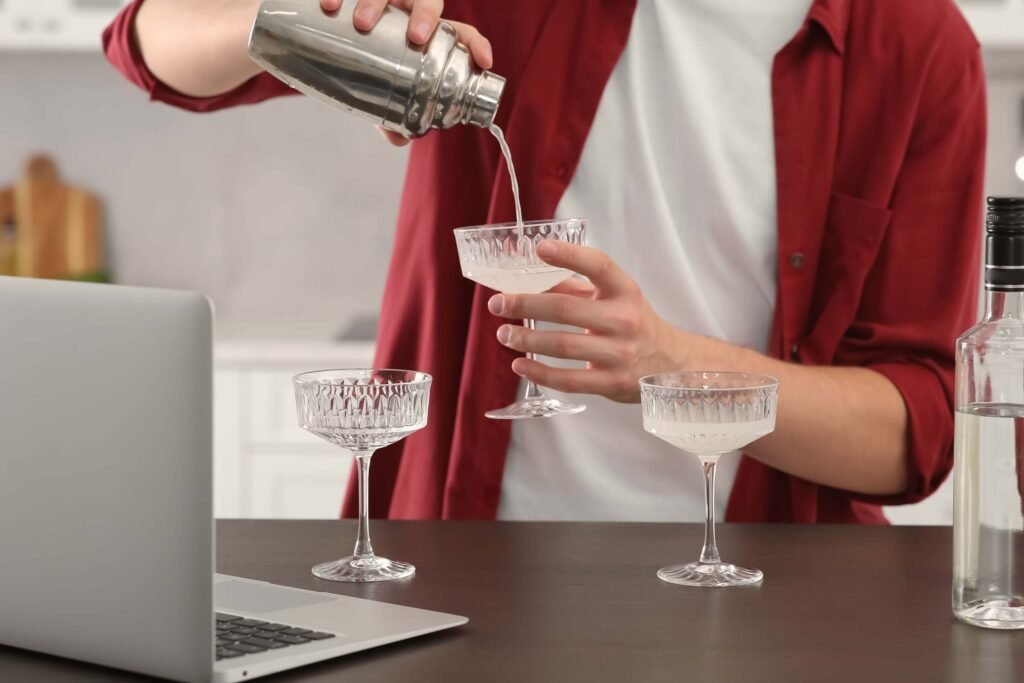
Luxury always finds a workaround. When calendars don’t align or travel feels like a hassle, the “big night out” gets rebuilt at home, then piped through a screen with surprisingly good results. Virtual cocktail parties have shifted from a pandemic-era novelty to a polished, repeatable kind of socialising: intimate, curated, and low-friction.
A typical format is simple: a host sets a time, shares a short menu, and everyone shows up with the same base spirit (or a close substitute). Sometimes there’s a hired bartender on Zoom guiding the session; other times it’s just one friend who’s “into drinks” leading the group through a couple of builds. The appeal is obvious, everyone gets the craft experience, but nobody has to deal with reservations, noise, or paying £18 for something served in a sticky glass.
Tom Church said: “If you want a virtual cocktail night to feel premium, decide on the drinks in advance and get everyone using the same key ingredients. That shared setup is what turns it from a normal video call into an actual event.”
The premium angle shows up in the details. People send mini tasting packs ahead of time. They compare glassware like it matters (because it kind of does). Garnishes get treated like a dress code: fresh citrus peel, a proper cherry, a sprig of mint that isn’t sad. Even the ice gets respect, big cubes, clear blocks, whatever fits the vibe. The screen becomes a shared bar top, and suddenly you’re all making the same drink, at the same time, in different cities.
What makes these nights stick isn’t just convenience; it’s cohesion. A luxurious home cocktail setup turns “catching up” into a real event. You’re not passively scrolling while talking your hands are busy, your senses are engaged, and the ritual gives the conversation shape. It’s entertainment with intention, and it lets people feel together even when they’re not in the same room.
The Role of Latest Deals and Discounts
Luxury isn’t allergic to a good deal. It’s just picky about where the deal comes from and what it unlocks. That’s why platforms like Latest Deals have become part of the premium at-home cocktail routine: not as a budget hack, but as a smarter way to keep the home bar stocked with the right labels, the right ingredients, and the occasional “why not” upgrade.
For high-end consumers, the draw is simple: access. Discount codes and curated offers make it easier to try boutique brands, limited-run cocktail sets, or premium mixers without committing full price every time. It’s a low-friction way to test new flavor profiles say, a punchy yuzu mixer or a small-batch vermouth—before it earns a permanent spot on the shelf. And because the at-home cocktail scene moves fast (new drops, seasonal bundles, collaborations), deal platforms help people keep pace without constantly overpaying for experimentation.
There’s also a quiet satisfaction in spending like a connoisseur, not like a tourist. Getting a discount on a premium spirits delivery or a craft cocktail kit doesn’t cheapen the experience, it can actually elevate it. The savings often get redirected into the details that make home feel like a private lounge: better ice molds, upgraded glassware, a rare garnish, or that one bottle you normally talk yourself out of.
In other words, discounts aren’t replacing luxury. They’re optimising it. The modern luxury drinker isn’t trying to look rich; they’re trying to drink well, host well, and build a bar that feels personal. Latest Deals-style offers simply make the whole thing more efficient – same standards, less waste, more room to play.
Embracing Sustainability and Conscious Consumption
Luxury drinkers aren’t just stocking top-shelf bottles anymore, they’re auditing the whole ecosystem around them. The new flex is a home bar that looks good and feels defensible: less waste, cleaner sourcing, smarter choices. It’s not about going full ascetic. It’s about upgrading with intent.
Start with packaging. Premium consumers are paying attention to how spirits and mixers show up at the door: glass over plastic, recyclable materials, minimal outer boxing, and labels that don’t scream “landfill.” Brands leaning into refill models, concentrated mixers, and lighter-weight bottles are suddenly more attractive, not because they’re cheaper, but because they signal competence and care. Even the small stuff matters: metal straws, reclaimable corks, compostable picks, and bar tools that don’t need replacing every year.
Then there’s what’s inside the bottle. Ethically sourced ingredients are moving from “nice story” to actual purchase driver. Think: traceable agave, responsibly produced rum, sustainably grown botanicals, organic citrus, and mixers made without mystery additives. The idea is simple, if you’re making fewer drinks, you make them better, and you want the supply chain to match the polish of the pour. Consumers are also gravitating toward local and small-batch producers, not just for uniqueness, but because shorter supply lines and transparent production feel like a modern kind of luxury.
Waste is getting redesigned, too. At-home cocktail culture naturally creates more control: you can batch, measure, and save. Citrus gets used intelligently (peels for oleo saccharum, juice for sours). Leftover herbs become syrups. Ice is made properly instead of endlessly bought and tossed. And people are choosing cocktails that are lower-ABV or “sessionable,” not to be performative, but because moderation reads as sophistication now – less excess, more taste.
Responsible luxury doesn’t kill the vibe; it sharpens it. The home bar becomes a curated space where every bottle has a reason, every garnish has a plan, and every choice says, I know what I’m doing. That’s the point: sustainability here isn’t a compromise. It’s part of the premium experience.
Redefining Home Indulgence
Premium at-home cocktail culture isn’t just a pandemic-era leftover. It’s a clear shift in what luxury looks like when people have the space, budget, and taste to do it their own way. The “best seat in the house” is now literally the house – built around mood, music, lighting, and a bar setup that feels personal, not performative.
What’s driving it is simple: control and craft. Luxury consumers can pick the spirit, the glass, the garnish, the ice, the playlist down to the exact level of sweetness or bite. They can go classic with a perfectly cold Martini or get nerdy with seasonal syrups and small-batch bitters. Either way, the experience is tailored, and that’s the whole point. This is also where the definition of luxury quietly changes. It’s less about the loud price tag and more about quality plus intention: better ingredients, better technique, less waste, more story behind what’s in the bottle.
Tom Church said: “Luxury at home isn’t about spending the most, it’s about choosing well. A good bottle, the right glass, and a simple upgrade like better ice can completely change the experience.”
Add in the social layer – virtual toasts, small gatherings, curated moments and the home bar stops being a “backup plan” and starts being a destination. In the end, the new home indulgence isn’t about pretending your living room is a five-star lounge. It’s about making something better: a refined ritual that fits your life. Price matters, sure, but real luxury here is creativity, precision, and the confidence to build an experience that feels expensive, even when it’s smartly sourced.