




For owners and operators of private and corporate aircraft, choosing the right jurisdiction for registration is about far more than convenience. International credibility, regulatory standards, safety and efficient administration are all essential. At the forefront of this international aviation landscape is the Civil Aviation Authority of the Cayman Islands (CAACI), the territory’s aviation regulator, responsible for safety oversight and economic regulation, and ensuring compliance with international aviation standards.
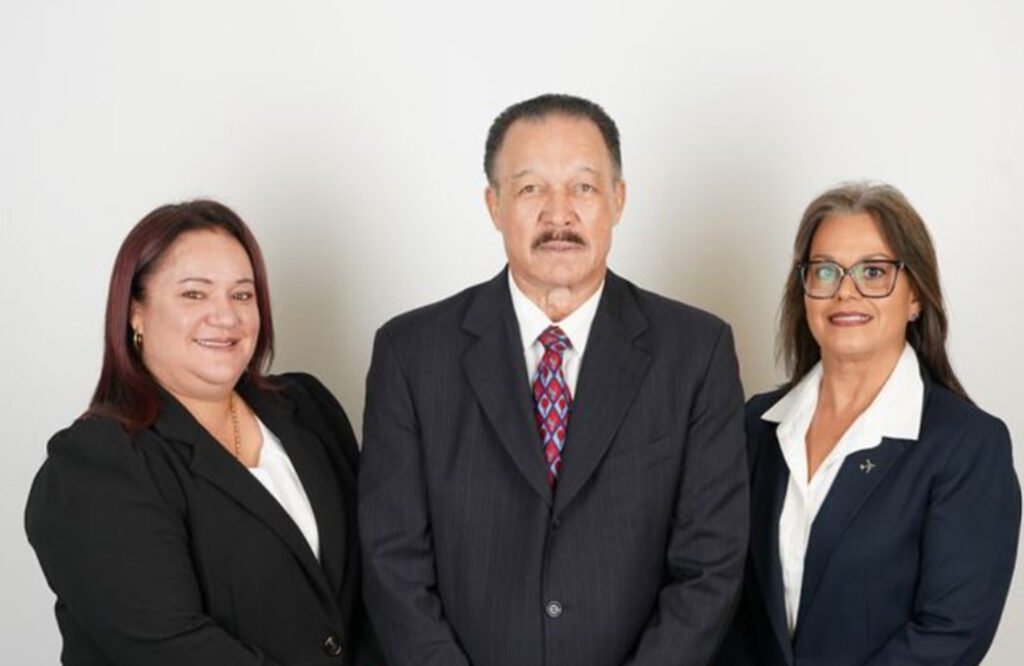
Director General Richard Smith, Deputy Director General Nicoela McCoy and Director of Finance and Compliance Joni Wood recently came together to discuss what makes the Cayman Islands such an attractive jurisdiction for private and corporate aircraft registration.
What is the primary role of the CAACI?
Richard Smith: Designated by the United Kingdom as the safety and economic regulatory authority for all aviation matters in the Cayman Islands, the CAACI’s roots trace back to 1987. While we initially handled operations alongside regulation, we transformed in 2004 into a purely regulatory entity. In addition to our safety and economic oversight functions, the Authority is the proud custodian of the Cayman Islands Aircraft Registry. Primarily catering to aircraft operated in private and corporate capacities worldwide, the registry serves as a vital, highly strategic asset management tool for the jurisdiction.
Nicoela McCoy: Our vision is to cultivate a safe and highly credible aviation industry for the Cayman Islands. We achieve this by enhancing overall industry performance through effective safety management and
robust economic regulatory oversight. This mandate extends beyond local aerodromes and ancillary businesses to encompass aircraft organisations and operators based across the globe.
For those new to private aviation, why is it critical to partner with a renowned civil aviation authority?
RS: Aligning with an authority that holds unwavering global credibility is essential, and that is precisely what the CAACI offers. Safety is our primary focus. For owners and operators, knowing their aircraft are backed by a regulator with an impeccable safety record provides immense peace of mind. In private and corporate aviation, aircraft must remain readily available, with ongoing airworthiness and operational oversight fully assured so travel demands are met without disruption. The CAACI guarantees that registered aircraft strictly adhere to International Civil Aviation Organization (ICAO) standards and internationally recognised regulatory frameworks.

Please walk us through the type of clients you work with globally?
RS: Our core client base comprises private and corporate aircraft operators, high-net-worth individuals, and Air Operator Certificate (AOC) holders providing commercial air transport both locally and internationally. We also work extensively with global aircraft lessors and lessees involved in cross-border asset transfers. Our reach spans every sector of the aviation industry, providing the oversight required to give operators full confidence to seamlessly cross international borders.
NM: Clients who place safety above all else naturally gravitate toward us. We place immense value on human relationships, both internally and with our clients, and operate with total regulatory excellence, objectivity, and integrity.
RS: It’s also worth noting that the Cayman Islands itself is a major draw. Beyond the Authority’s reputation, the islands are a premier global financial centre. High-net-worth individuals who already conduct significant financial business here find that registering their aircraft with us naturally complements their broader asset management strategies. The registry directly supports the jurisdiction’s legal, financial, and tourism sectors.
Joni Wood: From a registry perspective, our clientele is truly diverse and international, spanning Asia, Europe, the Middle East, and the Americas. Beyond private owners and multinational corporations, we regulate commercial operators, including our national flag carrier, Cayman Airways, and local charter providers as well as international operators obtaining a Cayman Islands AOC by establishing a principal place of business via the Cayman Enterprise City Special Economic Zone.
Additionally, we handle substantial business in the aircraft transition sector. When leasing companies market aircraft off-lease for sale, re lease, or part-out, our technical team works alongside Continuing Airworthiness Management Organisations (CAMOs) to maintain full regulatory compliance. Supported by a robust legal framework, sophisticated mortgage regulations, and our status as a party to the Cape Town Convention, we offer unparalleled security for financial institutions, lessors, and law firms. Given the high-value nature of these assets, we maintain stringent anti-money laundering and sanctions screening procedures to safeguard the registry’s reputation and integrity.
How does your custom electronic data management platform, VP-C Online, streamline the client experience?
RS: We conceptualised VP-C Online in 2009 and launched it in 2012 to optimise internal asset management resources. We quickly realised its potential as a dynamic, interactive tool that gives clients 24/7 access to their registration processes. Over the years, we have continually upgraded the platform to maximise user-friendliness and accessibility.
NM: Recently, we enhanced VP-C Online to reflect the diversification of the Cayman Islands Aircraft Registry. We are rolling out specialised modules that deliver bespoke business solutions for the transition sector and aircraft maintenance organisations (AMOs), aligning seamless digital workflows with regulatory codes. Looking ahead, we plan to integrate emerging technologies, such as AI, to further modernise and streamline complex regulatory procedures.


With safety at the core of your mission, what truly sets the CAACI apart from other global aviation authorities?
RS: Because the UK is the ICAO signatory state for its Overseas Territories, it crafts custom legislation tailored specifically to our jurisdiction while maintaining full ICAO compliance. This gives us a unique competitive edge: we can accept aircraft onto our registry that are type-certificated under various major state standards (such as FAA or EASA), whereas many other jurisdictions are restricted strictly to their own national codes.
Furthermore, our close coordination with international bodies yields rare privileges. For instance, the US Federal Aviation Administration (FAA) permits Cayman-registered aircraft to be operated by US commercial air transport certificate holders within the United States – a testament to the high level of trust placed in our regulatory oversight.
NM: Our operating model offers unmatched convenience and consistency. We maintain a dedicated global network of technical inspectors and airworthiness surveyors. Rather than requiring clients to bring aircraft to us, our inspectors travel directly to the client, wherever the aircraft is located worldwide. Paired with VP-C Online, clients can execute transactions at their convenience, completely independent of Cayman business hours.
RS: Crucially, our overseas surveyors are exclusively dedicated to the CAACI. They are fully integrated into our authority, acting not just as technical inspectors, but as well-rounded ambassadors for the Cayman Islands who understand the broader operational contexts of our clients.
NM: This setup fosters long-term relationships. Our field surveyors take the time to deeply understand each client’s operational nuances. Owners and flight departments aren’t subjected to ad hoc, unfamiliar inspectors rotating through the lifecycle of their aircraft. That relationship-driven continuity, combined with unwavering regulatory rigour, is the hallmark of the CAACI experience.
Discover more
caacayman.com