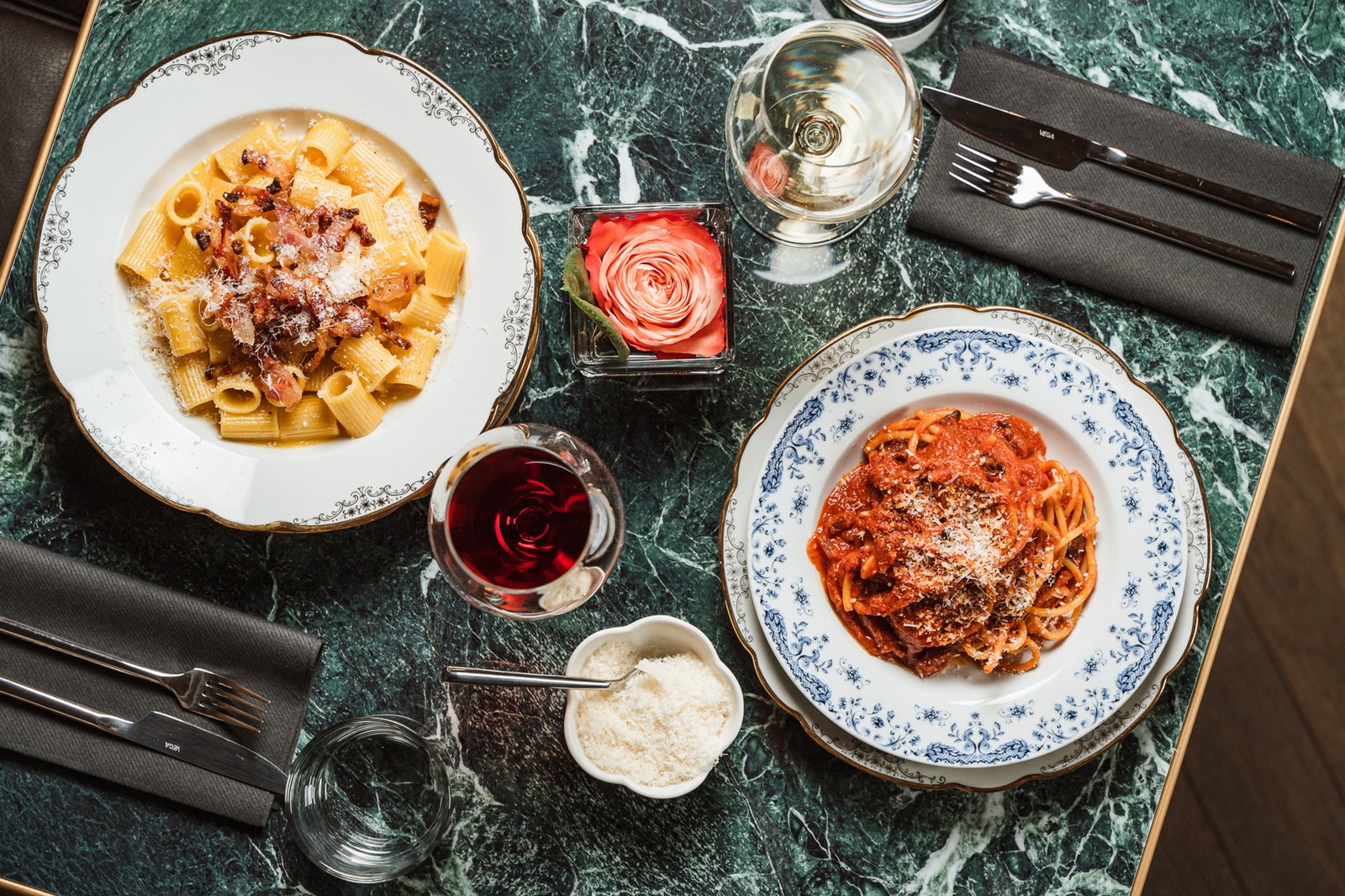




The Mediterranean diet is enjoying a quiet resurgence. Scientists have been studying it for decades, building one of the most consistent evidence bases in nutrition. Today, it has returned to the spotlight as the lifestyle du jour, celebrated by chefs, wellness experts and health organisations alike. Its promise is compelling: reduced risk of heart disease, greater longevity, even sharper cognition in later life. Yet, in an era increasingly preoccupied with shortcuts – from fad diets to the popularity of GLP-1 weight-loss drugs – the steady wisdom of the Mediterranean table feels almost radical.
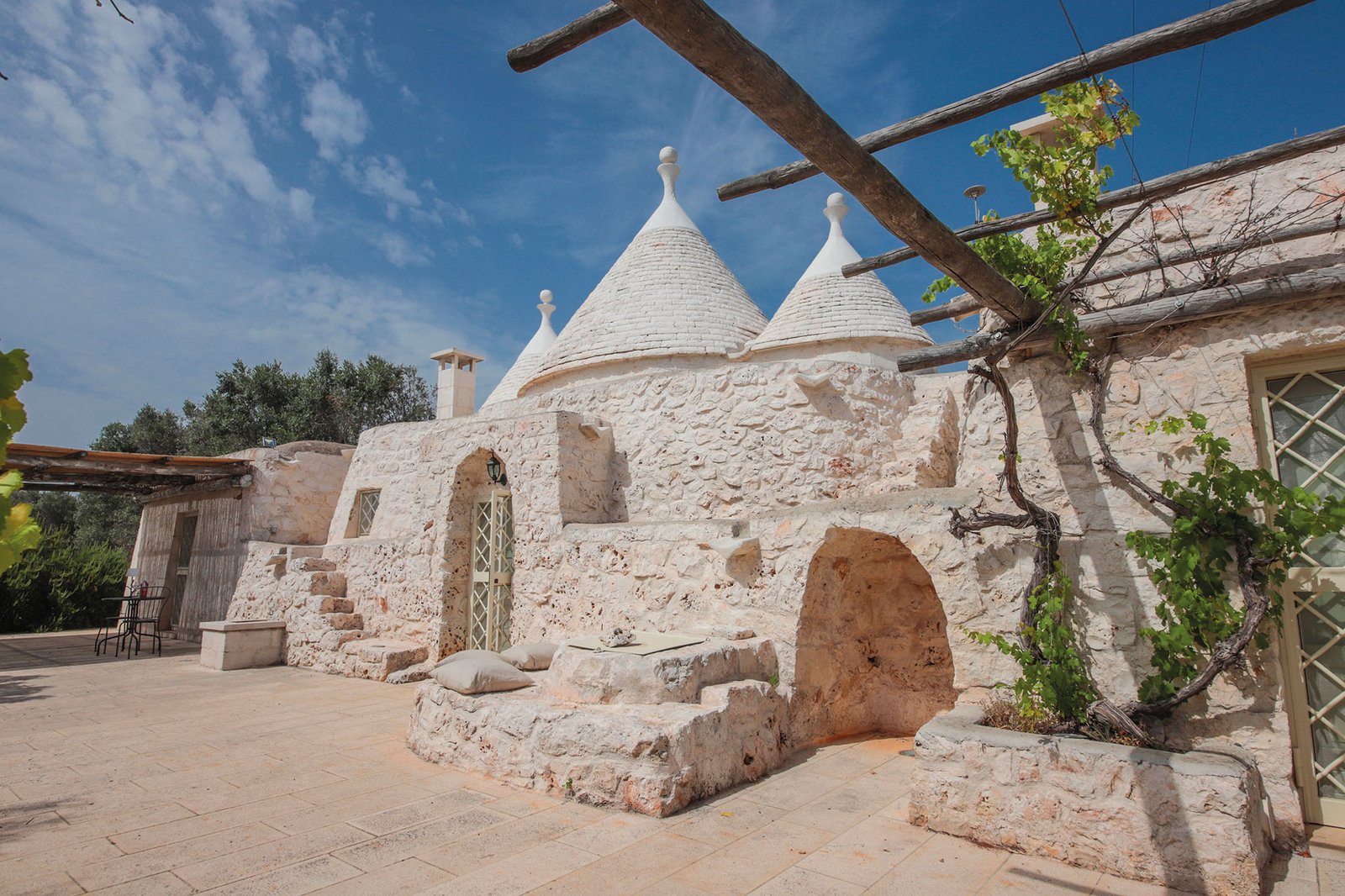
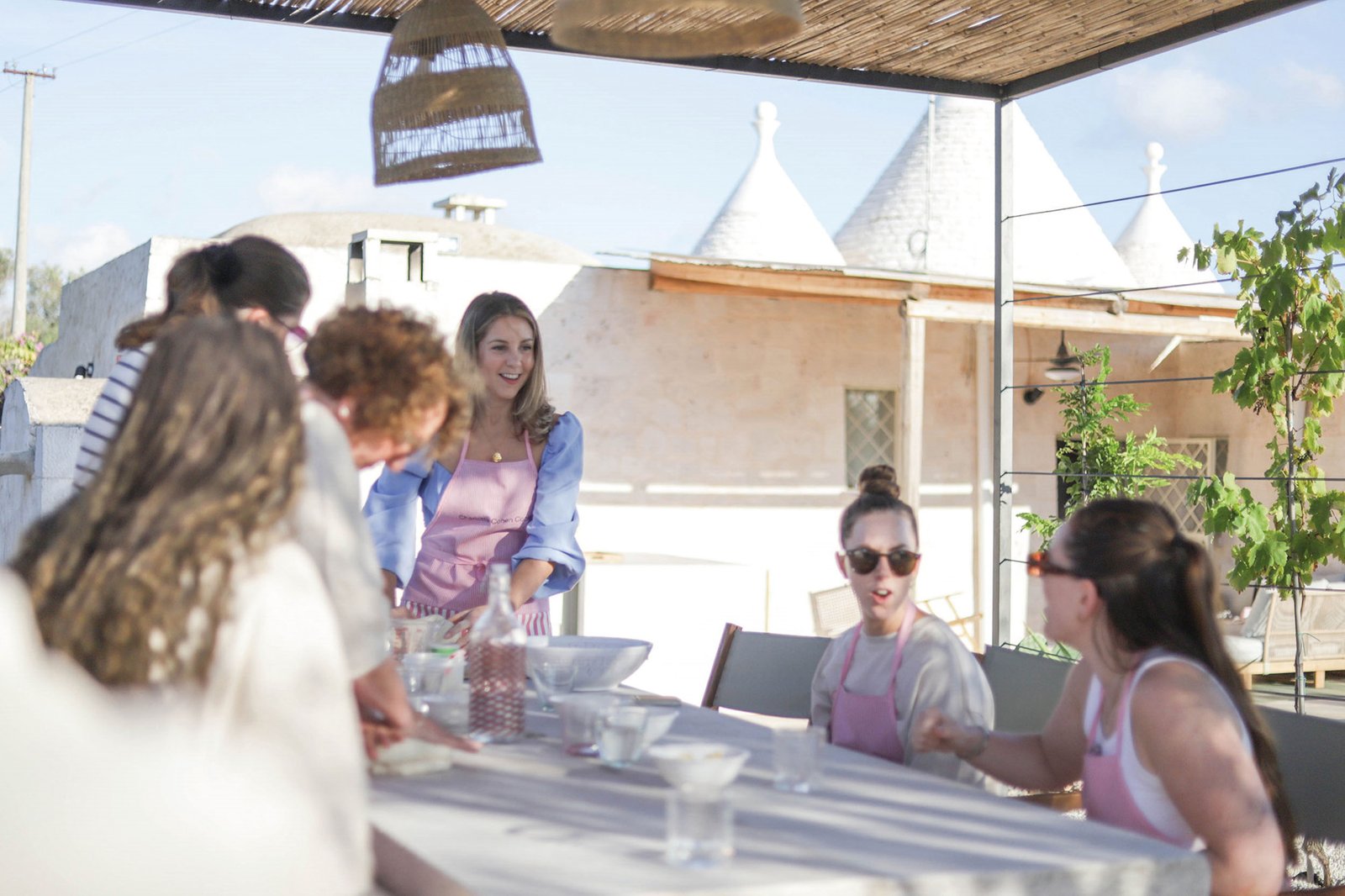
At my trullo in Puglia (pictured below), where I host luxury food and wellness retreats, I’ve seen how great meals unfold: simple dishes, local ingredients, good company. It’s here that the true essence of the Mediterranean diet reveals itself – a way of living, not a plan to follow.
A pattern recognised
The Mediterranean diet first entered the global conversation in the mid-20th century, when American researcher Ancel Keys observed notably low rates of heart disease among villagers in southern Italy and Greece compared with the United States. His ‘Seven Countries Study’ helped establish the link between dietary patterns, lifestyle and chronic disease – and sparked decades of research that continues today.
In 2010, UNESCO went a step further, recognising the Mediterranean diet as part of the world’s intangible cultural heritage. The listing acknowledged that it is not simply a way of eating, but a set of cultural practices: from food production and preparation to the rituals of shopping, cooking and dining together. In other words, the very things that often get lost when the diet is reduced to a handful of nutrients or Instagram-friendly dishes.
Much more than olive oil and tomatoes
Ask most people to picture the Mediterranean diet and the same clichés appear: a drizzle of olive oil, fresh tomatoes, a glass of red wine. These images are not wrong, but they are fragments of a much richer whole. The Mediterranean diet stretches across countries and cultures, from Greek islands and Spanish fishing villages to the hills of southern Italy and the souks of North Africa. Each region has its own nuances, yet certain principles hold true.
Meals are built around vegetables, legumes, fruit, grains, nuts and seeds, with olive oil as the primary fat. Fish and seafood appear regularly, poultry and eggs in moderation, dairy mostly in the form of cheese or yoghurt, and red meat sparingly. Wine is enjoyed too, but almost always with food, and ultra-processed products are rare.
But it’s true that no discussion of the Mediterranean diet is complete without olive oil. Extra-virgin olive oil is the region’s defining fat – rich in monounsaturated fats and antioxidants such as polyphenols, linked to better heart health, reduced inflammation, and even sharper cognition. In Puglia, where more than a third of Italy’s supply is produced, you can taste it in almost every dish. Sometimes the olive oil is the sauce.
The structure of Mediterranean meals also lends itself naturally to balance. In Italy, a primi of pasta or grains, a secondi of fish or meat, and contorni of vegetables provide variety without calculation. In Spain, tapas achieve the same effect through many small plates, ensuring balance by default not design.
Backed by science
A landmark Spanish trial followed more than 7,000 adults at high risk of heart disease and found that those eating a Mediterranean diet supplemented with olive oil or nuts were around 30% less likely to suffer heart attacks or strokes than those on a reduced-fat diet. The pattern holds across decades and borders.
In the UK, the EPIC-Norfolk study estimated that closer adherence could prevent more than one in ten cardiovascular deaths.
The evidence is unusually consistent for nutrition science – a rare thing in a field that often feels riddled with contradictions. But beyond the science, there is a cultural rhythm here that matters just as much
When meals become moments
Meals in Mediterranean cultures are rarely eaten alone or in haste. They are occasions, often stretching over hours, in which food is savoured slowly with family and friends. Across the region, traditions are designed to slow people down. In Greece and Turkey, a spread of mezze arrives in stages, giving time to talk and savour each bite. In Morocco and Tunisia, couscous or tagines are served as generous communal dishes, eaten slowly with plenty of vegetables and pulses at the centre. However it appears, the rhythm is unhurried and social – eating is not just about fuelling the body, but about restoring mind and spirit.
Science increasingly shows that how we eat matters just as much as what we eat. Eating slowly gives your body time – about 20 minutes – to register fullness signals, helping you feel satisfied with less food. Research from Harvard Medical School suggests that when meals are rushed, this window is missed and overeating becomes far more likely. Chewing more thoroughly also improves digestion and nutrient absorption. Across populations, slow eaters report a lower risk of obesity, better hunger control, and greater meal enjoyment.
Equally important is the atmosphere. Mealtimes provide a pause in the day, a chance to relax, unwind, and connect. The aperitivo tradition captures this perfectly: a glass of wine or spritz, enjoyed in a piazza with friends, and always with nibbles.
For Italians, the idea of drinking alcohol without food is unthinkable. A business associate in Puglia loves to recall tales of his visits to London, where he sees crowds of people standing on pavements outside pubs with “huge glasses” (pints) of beer and absolutely nothing to eat. For him, it is almost a tourist attraction in itself, such is the cultural contrast.
It is here that science and culture meet. A clinical trial found that drinking with a meal reduced peak blood alcohol levels by around 37% compared with drinking the same amount on an empty stomach. The National Institute on Alcohol Abuse and Alcoholism explains this is because food delays alcohol reaching the small intestine, where it is absorbed most rapidly, giving the liver more time to metabolise it steadily. The health benefits of the Mediterranean diet come not only from what is consumed, but also from the culture that surrounds how it is consumed.
Lessons for modern living
Of course, we don’t all live beneath olive groves or have hours each day to prepare meals. While I host retreats in Puglia, my work in London as a nutrition coach and chef is more often about helping people live healthily alongside the realities of modern life: long commutes, crowded supermarkets, family logistics, the constant squeeze of time. Chronic stress, after all, is a far greater threat to health than the latest controversy over seed oils. The question, then, is what lessons can be drawn from the Mediterranean diet, and how realistic are they for those of us who don’t live in sun-drenched southern Europe?
The answer lies in adopting principles rather than chasing perfection. Adding more plants to the plate is a powerful shift, and particularly important in Britain, where most of us fall short on fibre. When those plants are paired with healthy fats – olive oil, nuts, fatty fish – the result is both satisfying and nourishing.
At the same time, choosing foods closer to their natural form helps crowd out the ultra-processed products that dominate modern Western diets. Choosing seasonal produce strengthens this effect further, offering peak flavour and higher levels of vitamins and minerals. With just a handful of good ingredients, home-cooked meals can replace convenience foods with their long lists of unhelpful and unnecessary additives.
And perhaps most valuable of all, is that meals can be reclaimed as a pause. The cooking process itself becomes a family activity, the table a place to catch up on the day, and eating a slower, more mindful act. We must learn from Mediterranean cultures by protecting mealtimes as moments of relaxation and restoration.
The Mediterranean diet rarely lends itself to flashy headlines. It isn’t about downing shots of olive oil or cold-pressed tomato juice. Its power lies in something quieter and more enduring: a colourful, varied, largely whole-food way of eating, woven in with family and community. Bring even fragments of that rhythm into daily life and you will reap the benefits – with the occasional holiday to Puglia a rather enjoyable supplement.

About the author
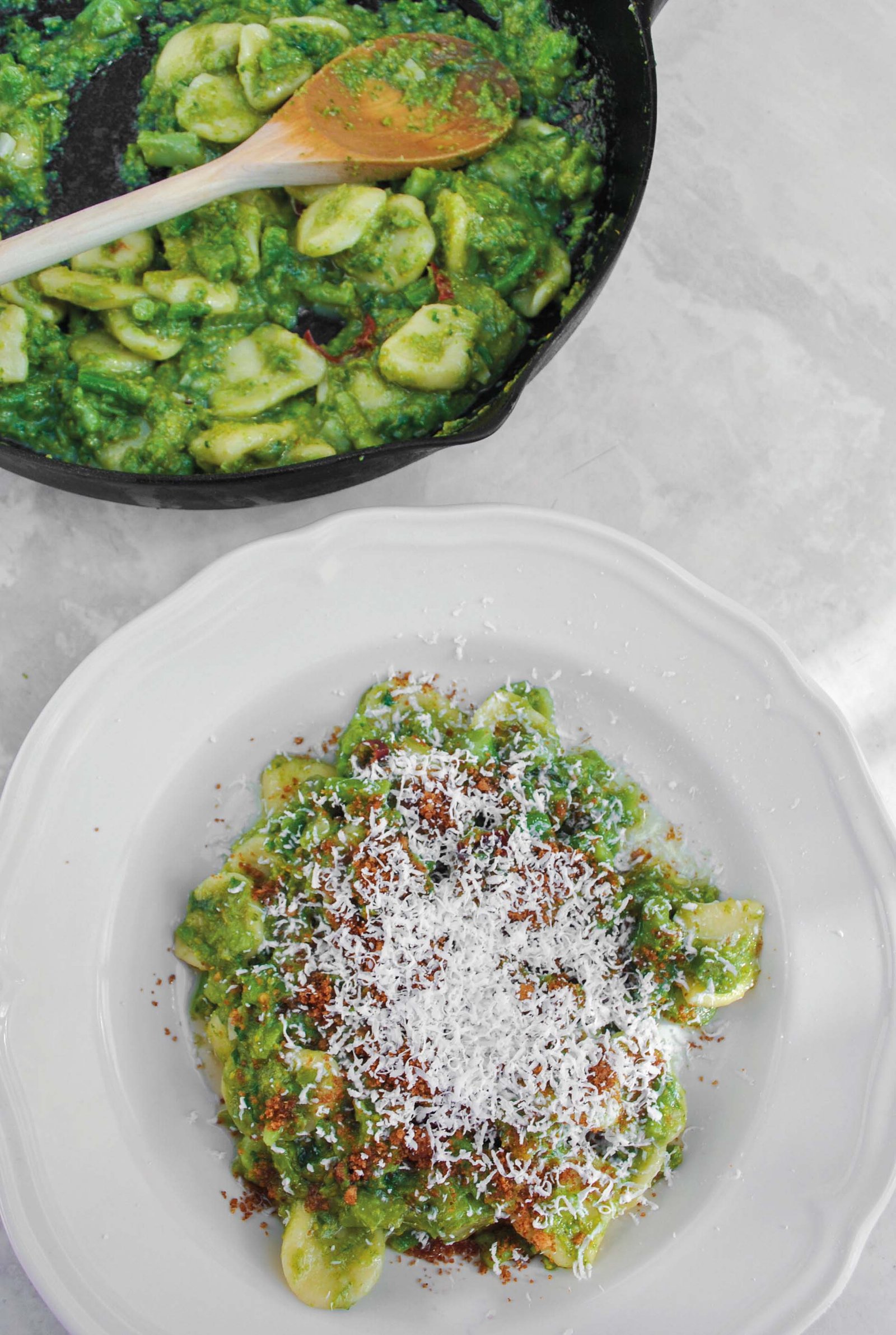
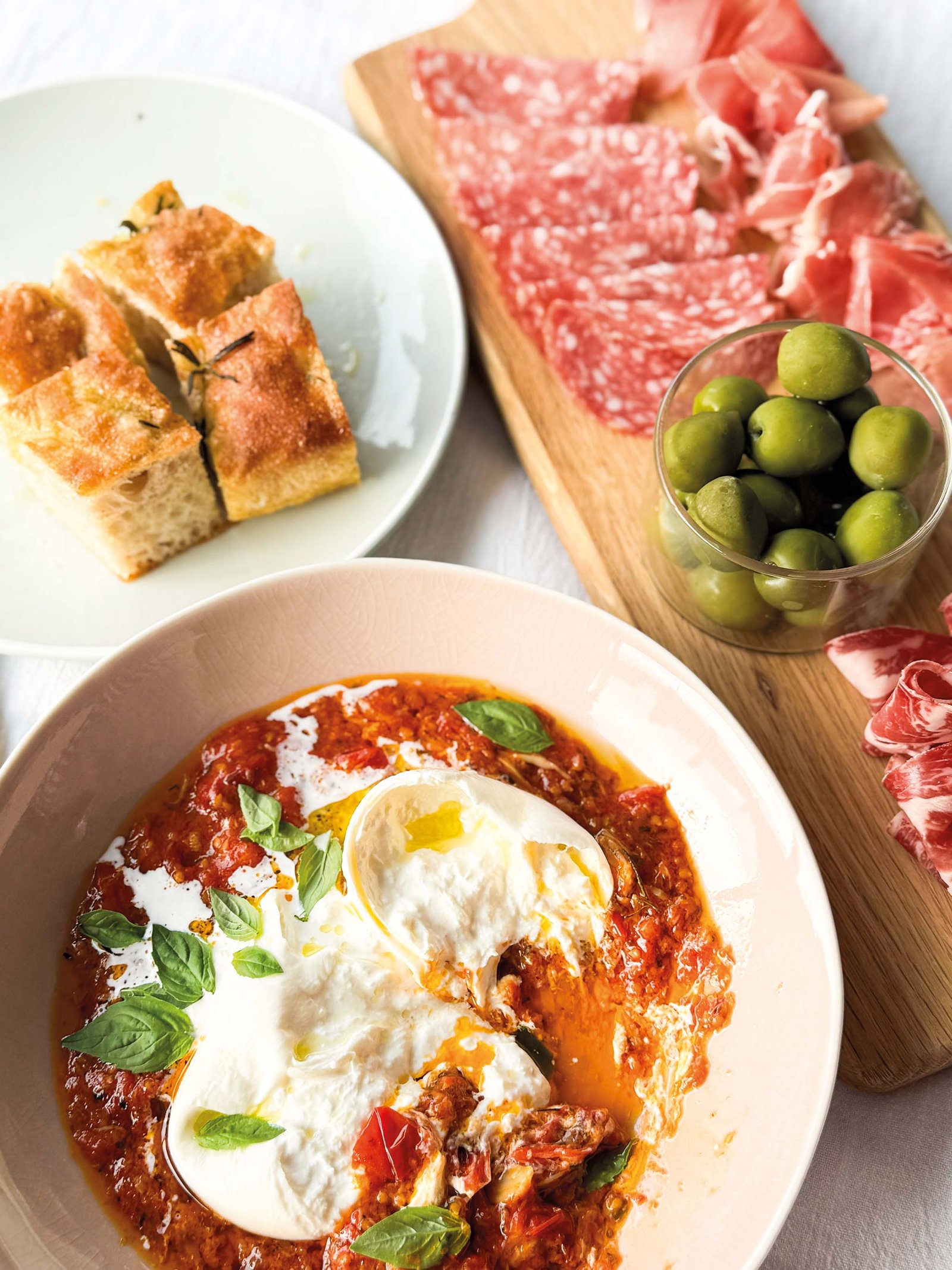
Charlotte Heal-Cohen is a nutritionist and chef, hosting luxury food and wellness retreats in Puglia. Check out Trullo Titiro on Instagram: @orolivingcollection. Two of Charlotte’s dishes are pictured above. Check out her recipe ideas at: charlottecohencooks.co.uk