


Lisbon has changed in the past decade than almost any other European capital. For all of its beautiful, understated, bohemian charm, the city’s appeal is evolving. The atmosphere feels different now, neighbourhoods have been carefully restored, and the riverside belongs to the city again. Independent galleries, cafes, small shops and serious restaurants have established themselves with confidence.
Lisbon now presents itself with ease. It remains one of Europe’s most compelling ports, but with a sense of pride, which feels earned rather than staged. With this shift has come a new generation of small, design-led hotels. Less about spectacle, more about mood and proportion. Tarabel Lisbon is one of the city’s most anticipated recent openings. A nine-suite palácio in Lapa, it represents a quieter, more residential approach to luxury, one which feels well judged for Lisbon’s current moment.
Quiet yet cool, Lapa is all about broad streets lined with diplomatic residences, mature gardens hidden behind high walls. Jacaranda trees colour the neighbourhood each spring, while views across the Tagus feel expansive rather than theatrical. This is residential Lisbon at its most elegant. Tarabel sits quietly within this setting, housed in a blue-fronted 19th-century palácio which gives little away from the street. Step inside and the shift is immediate. This feels far closer to a private home than a hotel.
A sense of calm
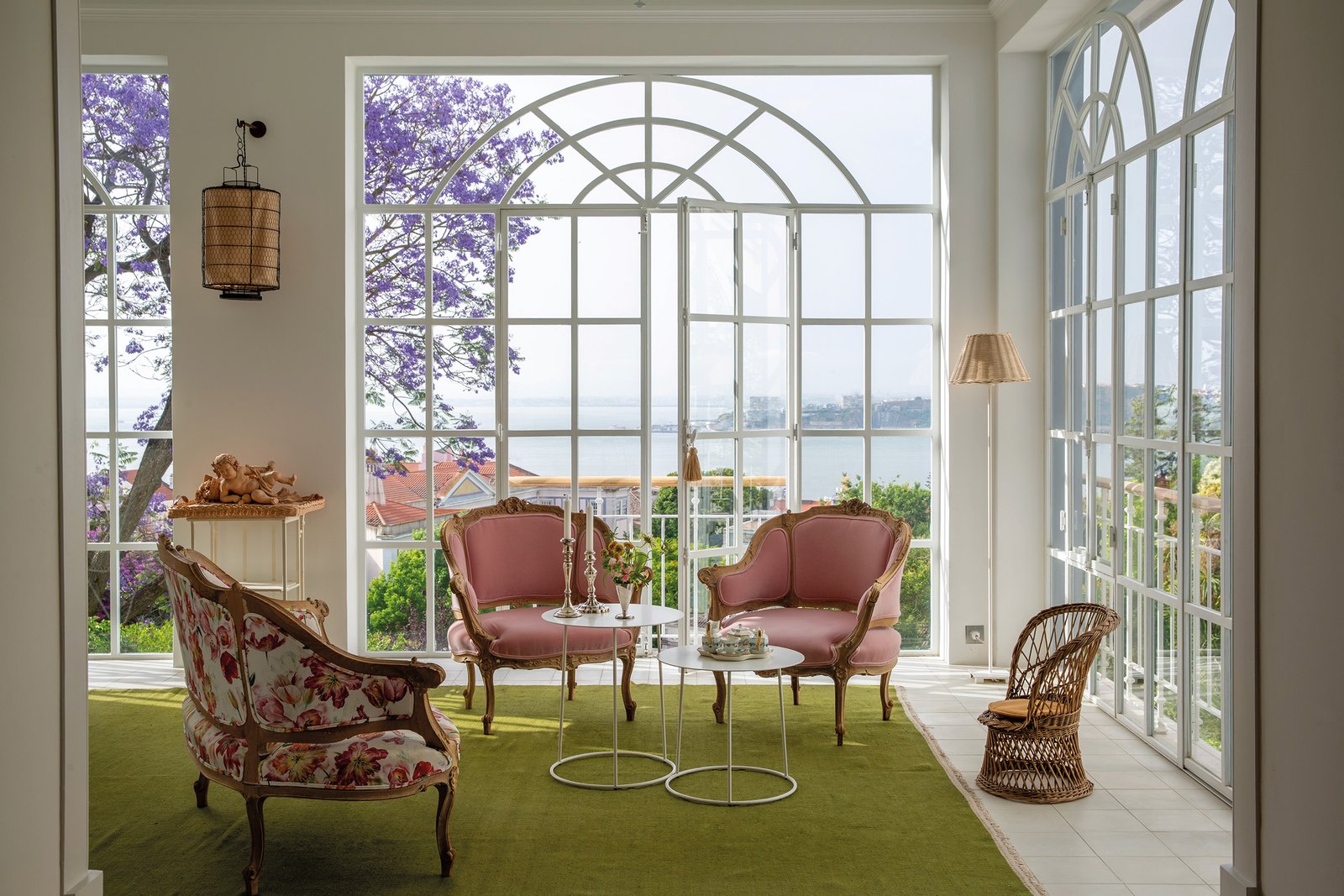
French interior designer Rose Fournier, also behind Riad de Tarabel in Marrakech, has reimagined the building with confidence and restraint. High ceilings and tall doors create a sense of air and calm. White walls soften the light. Nothing feels overworked. The atmosphere is assured rather than decorative, designed to settle you rather than impress.
Rose has recovered twice from cancer, an experience which reshaped how she relates to time, space and how she chooses to live. She does not frame her story around survival. Instead, she talks about clarity. About removing excess. About slowing down and choosing fewer things, done well. Tarabel reflects this outlook quietly and without explanation. The house feels private and unforced. Designed for rest and slower living rather than display, it values ease over extravagance. Hospitality here feels personal and respectful, without ceremony.
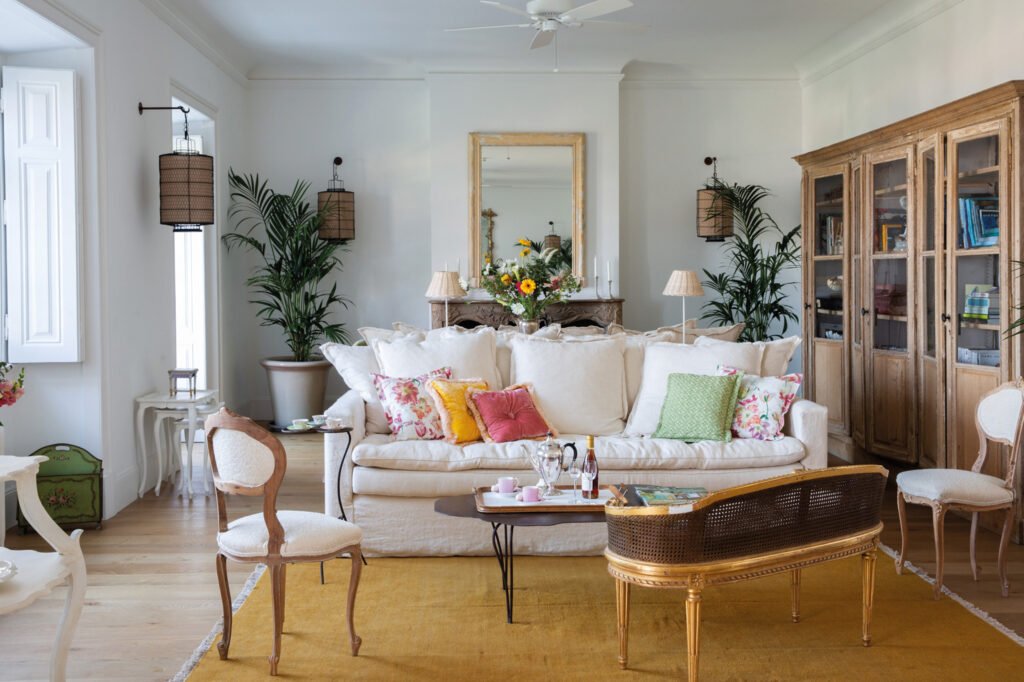
The main living room resembles a drawing room, a place where you sit longer than planned. Large linen sofas, a generous coffee table, thoughtful books and fresh flowers create a sense of comfort rather than formality. It is a room designed to catch up with yourself with a cup of tea or a cocktail, before heading back into the city.
Essence of Marrakech
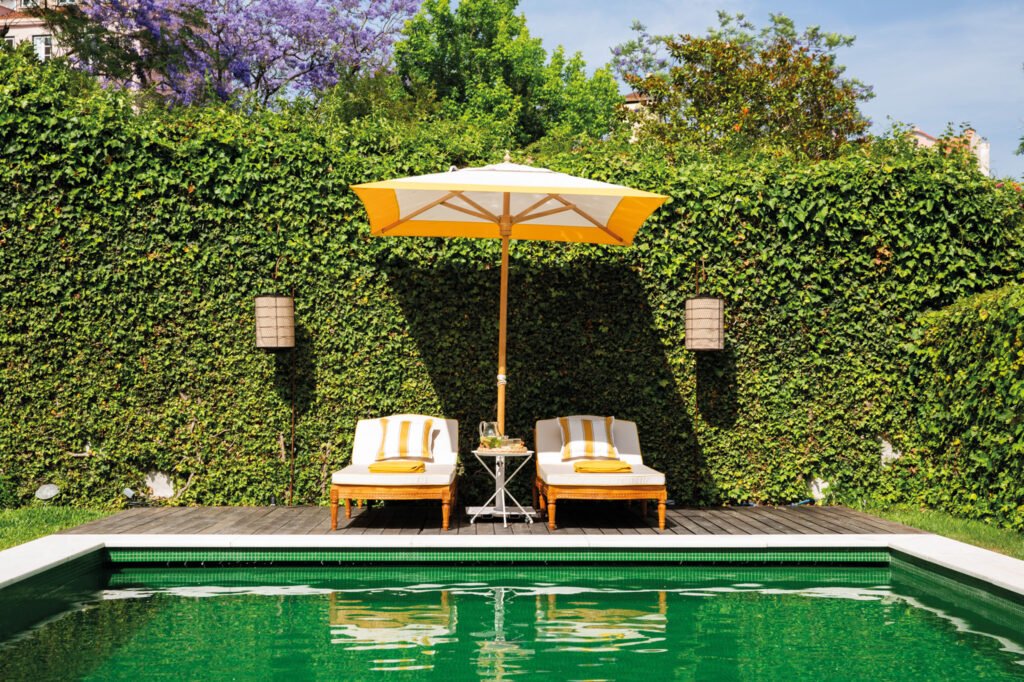
Rose’s Marrakech influence appears subtly. Orange-flower diffusers. Simple glycerine soaps which echo the scent of her riad. Materials have been chosen for how they age rather than how they photograph. Pale plaster. Aged timber. Worn mirrors. Custom pieces sourced from French flea markets. Outside, terraces cascade down through layered gardens to a deep green pool, heated in winter, with the Tagus stretching beyond.
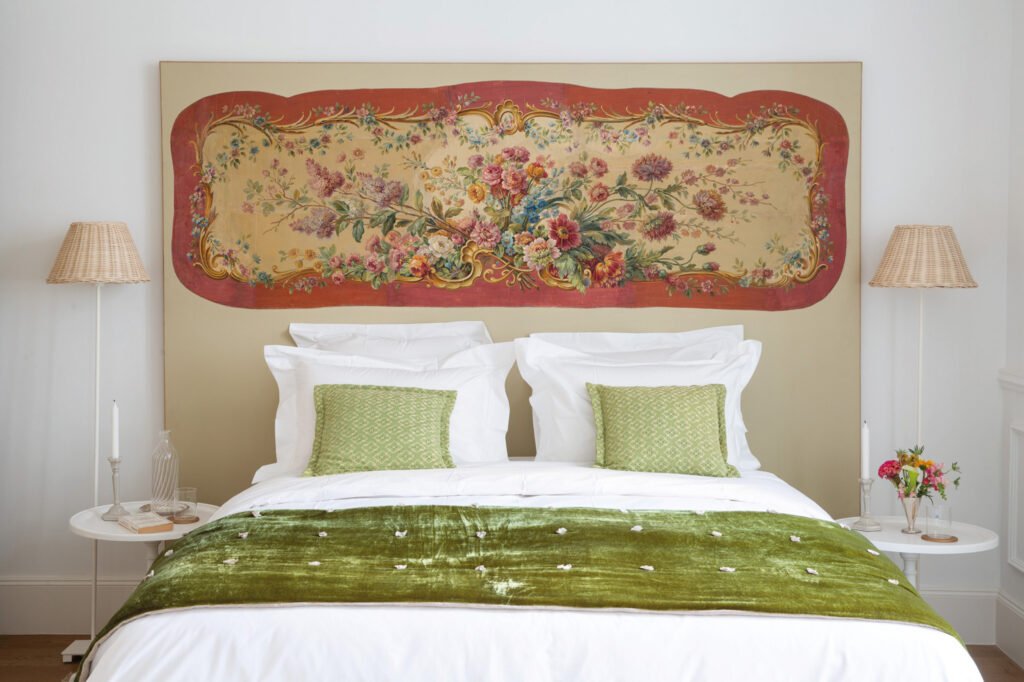
The nine suites follow the same philosophy. Generous proportions. Comfort without fuss. Beds are large with crisp linens. Cupboards feature leather-lined shelves. Lighting is intuitive, allowing you to adjust the mood easily. Blackout blinds work properly. White colonial fans move the air. Air conditioning is available during warmer months, but never dominates the space.
Bathrooms, with fluffy robes and thick monogrammed towels, invite long baths and unhurried showers. The roll-top bath and double basins echo the style of Riad de Tarabel alongside Molton Brown orange and bergamot products. Several suites open onto private terraces overlooking the gardens and river, reinforcing the sense of space and privacy.
Classic cuisine, reinvented
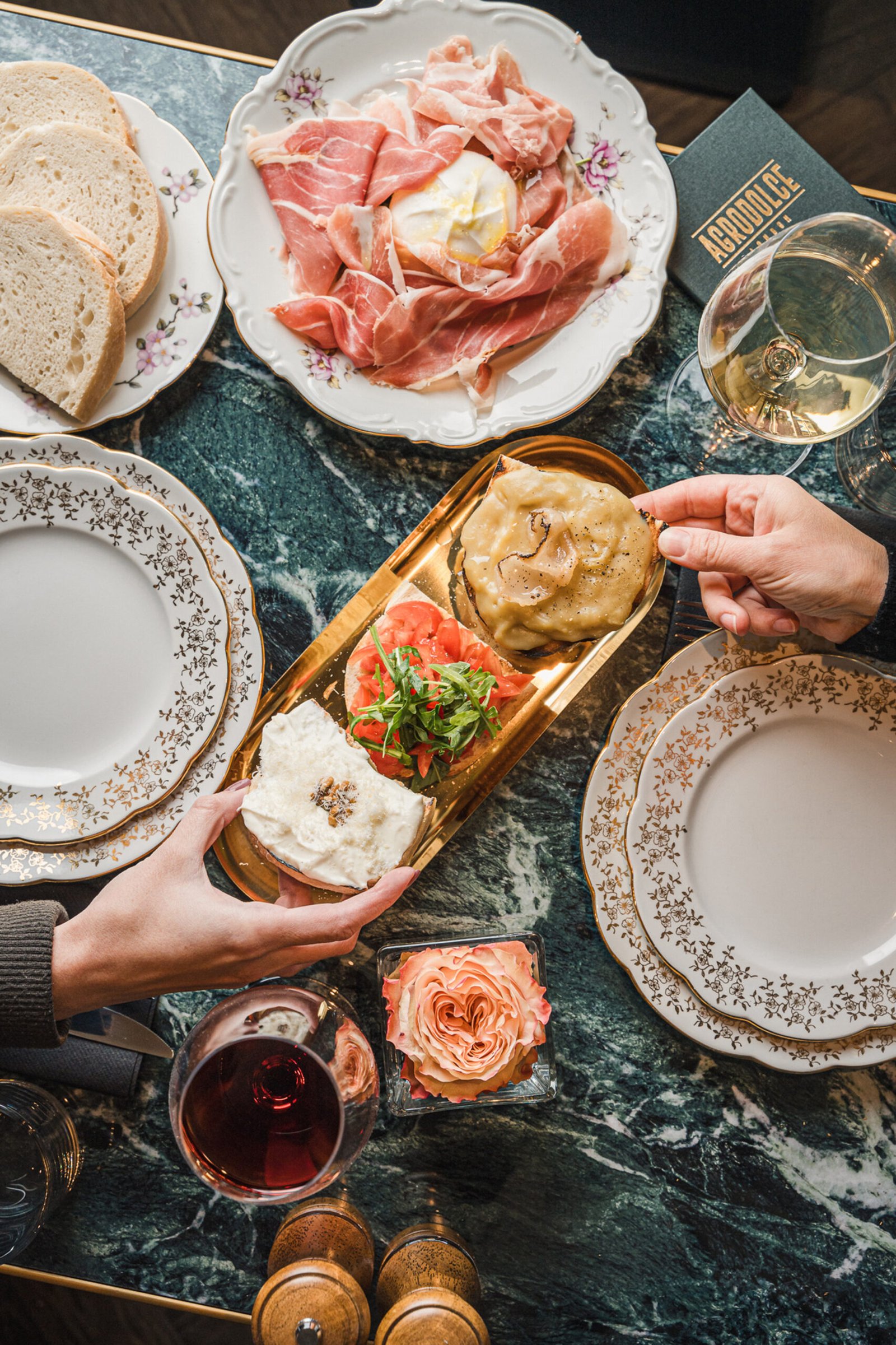
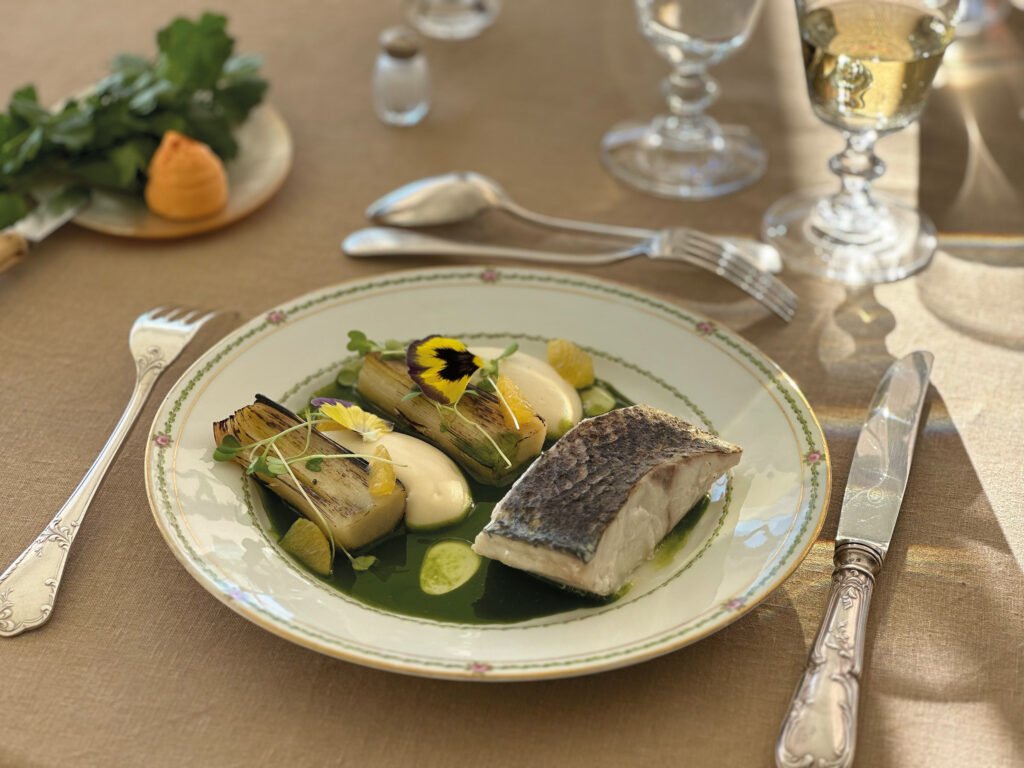
Chef Afonso Blazquez Raposo oversees the food at Tarabel. His cooking is rooted in Portuguese produce and handled with a lighter, modern touch. Fish features prominently on the menu. Breakfast on the veranda feels relaxed and faintly French, served with vintage cups, homemade jams, pastries and proper table linen, alongside some of the city’s best scrambled eggs. Lunch by the pool suits sunny afternoons, while candlelit dinners feel intimate, quietly polished and romantic after a day spent exploring Lisbon.
The team has been carefully assembled. Laurent, who manages Riad de Tarabel, appointed Swiss manager Arnaud to oversee the Lisbon project from the early stages of its three-year restoration. The staff are attentive without hovering, present without intruding, and instinctively aware of when to step forward and when to step back.
Tarabel works because it doesn’t try to compete with Lisbon. It offers a beautifully designed base to return to, and on some days, you are more than happy to stay all day. You are close to the Museum of Ancient Art, minutes from the river, and a short taxi ride or steady uphill walk from Bairro Alto and Chiado. While Lisbon feels busier than it once did, this corner of Lapa retains a slower pace.
What sets Tarabel apart is Rose Fournier’s attention to detail. The mood. The materials. The way everything feels residential while remaining undeniably polished. Tarabel Lisbon offers the kind of city stay which encourages you to slow down, breathe more deeply and enjoy doing less, very well.
With rooms from around €500 per night, Tarabel attracts discerning travellers looking for luxury, yet value independence, design and quiet confidence. There is no heavy branding. No sense of display. The house feels personal because it is personal.
Further information
tarabellisbon.com
About the author
Lulu Townsend has been immersed in the world of luxury hospitality for over two decades, transforming her family’s boutique property in Umbria and advising global names such as The Langham Hotel. Follow her on Instagram: @lulusluxurylifestyle.