



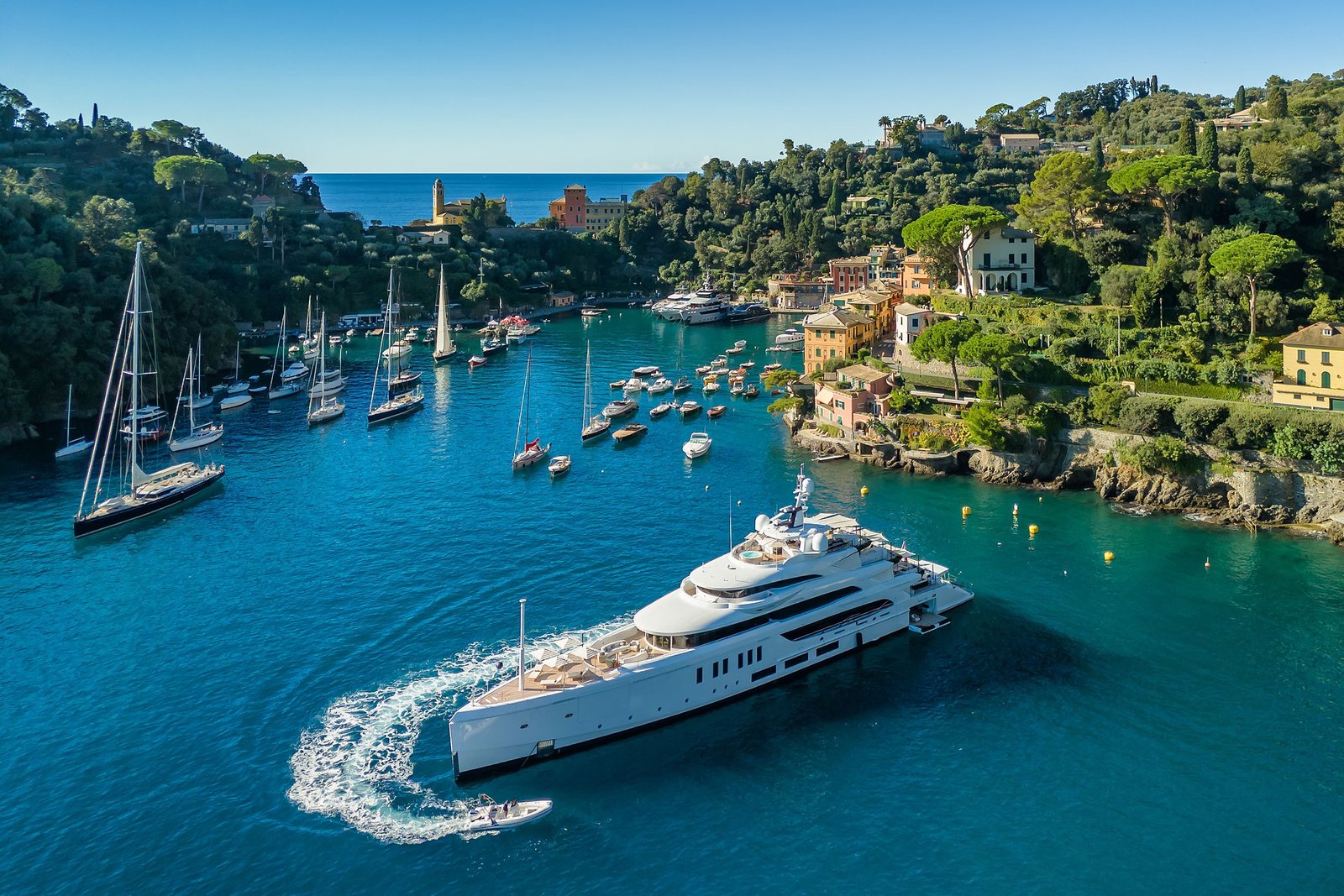
Buying a luxury yacht is rarely just a practical decision. Perhaps you imagine relaxed lunches at anchor, family weekends exploring the Mediterranean, or escaping the pace of everyday life in London for a few days on the water. But how do you make sure the yacht you fall in love with is also the right choice for your lifestyle? A beautiful vessel may lose its appeal if it is difficult to berth, expensive to operate, or unsuitable for the journeys you have planned.
For UK buyers considering yacht ownership, looking beyond the design and price tag is essential. From choosing the right layout and understanding running costs to checking paperwork and arranging a professional inspection, several factors deserve attention before making a commitment. This guide explores what to consider so you can make a confident and well-informed purchase.
Start With your lifestyle, not the boat
Before you look at a single brochure, describe how you really want to spend your time on the water. The honest answer shapes every decision that follows.
Ask yourself:
- How often will you use it? Weekends only, a long summer season or year-round.
- Who will be on board? Couples, young children, grandparents or large groups of friends.
- What is the plan? Day trips, island hopping, entertaining or longer passages.
- Where will you cruise? Sheltered coastal waters call for different boats than open crossings.
Write your answers down and share them with your broker. A clear brief saves time and keeps you from being swayed by the most eye-catching boat on the pontoon. It also helps to be honest about what you will not use: if you never plan to cross open water, you do not need to pay for features built for it.
Match the boat to your cruising waters
Where you plan to sail should shape which boat you choose. Boats sold in the UK are assigned a design category, from A to D, which describes the wind and wave conditions they are built to handle, from the roughest to the most sheltered.
Use that information when you shortlist boats:
- Ask for the design category of every boat you consider.
- Match it to your plans, whether that is sheltered bays, coastal hops or longer passages.
- Allow a margin, because comfort and confidence matter as well as capability.
- Think about the crew, since experience counts as much as the boat.
A boat built for tougher waters is not automatically better for you. The best choice is the one that suits where and how you will really sail.
Choose the right size and layout
Bigger is not always better. Extra length brings extra space, but also higher costs, fewer berth options and more to manage.
Think about these layout details:
- Living space: a large cockpit and saloon suit entertaining, while a roomy master cabin suits longer stays.
- Cabins and bathrooms: consider privacy for guests and family.
- Deck areas: sunpads, flybridges and bathing platforms shape how you enjoy the water.
- Ease of handling: check whether you will drive it yourself or hire a skipper or crew.
Walk through each boat as if you were living on it. Imagine mornings, meals and quiet evenings, not just the first impression. Visit more than one boat in the same size range so you can feel the differences in headroom, storage and flow between the spaces.
Explore Builders and Local Expertise
Once you have a clear idea of the yacht that suits your lifestyle, start comparing manufacturers, models and available purchasing options. Different builders have their own approaches to design, performance and onboard comfort, so exploring established yacht brands can help you understand what is available. For buyers interested in the Mediterranean market, those looking to buy a Pearl yacht in Spain can explore different models and purchasing opportunities through specialist yacht dealerships.
Beyond the overall appearance, pay close attention to the yacht’s specifications, interior layout, onboard facilities, performance and build quality. Consider how well the available features match your plans, whether you expect to enjoy extended trips, entertain guests or spend relaxed weekends cruising along the coast. Comparing several models can help you identify the features that will make the biggest difference to your experience.
The support available after the purchase also deserves careful consideration. Ask about warranty coverage, servicing arrangements, maintenance support and access to replacement parts. An experienced brokerage team can also help you understand the purchasing process and provide guidance on the practical aspects of yacht ownership. Looking at these details alongside the yacht itself will give you a clearer picture of the investment and what to expect in the years ahead.
Understand the Full Cost of Ownership
The purchase price is only the beginning. Running a yacht involves regular costs that catch new owners by surprise, so plan for them from day one.
Build your budget around:
- Mooring or marina fees, which vary by location and boat size.
- Insurance, specific to the vessel, cruising area and your experience.
- Maintenance and servicing, including engines, antifouling and winter care.
- Fuel and consumables, which rise with use and speed.
- Crew or management, if you do not want to run everything yourself.
Ask for realistic figures from owners and brokers, and try to speak with someone who owns a similar boat in the area where you plan to keep yours. A comfortable budget lets you use the boat often instead of worrying about every outing.
Choose Between New and Pre-Owned
Both routes can work well, and the right one depends on your priorities. A new yacht lets you choose the layout, finishes and equipment, while a pre-owned boat may be available sooner and settle some questions about how it performs in real life.
Weigh up these points:
- Customisation: new builds can be tailored to your plans, but usually involve a waiting period.
- Availability: pre-owned boats can often be viewed and completed more quickly.
- Condition and history: a used boat needs a close look at servicing records and past repairs.
- Warranty and support: new boats generally come with manufacturer cover, so ask what it includes and for how long.
Ask your broker to explain the trade-offs in plain terms and show you examples of both.
Check the Paperwork Before You Commit
Buying abroad adds paperwork that a purchase at home does not. If you plan to bring a yacht into UK waters, GOV.UK says that owners of pleasure craft may have to pay VAT and that, since July 2026, owners must complete HMRC form C384 (Vessels) on arrival in the UK. Before you pay a deposit, ask your advisers to confirm a few points.
- VAT and tax status of the yacht and how it applies to you.
- Ownership structure, whether personal or through a company.
- Registration options, including whether you plan to register under the UK flag.
- Insurance and survey requirements needed before you take delivery.
Keep every document in one organised folder, and take professional advice early. Paperwork mistakes can be costly to fix.
Inspect, Survey and Sea Trial
Never buy a yacht on appearance alone. Even a new boat benefits from a close look, and a pre-owned one deserves a full survey.
Before completion:
- Commission an independent survey, especially for pre-owned boats.
- Request a sea trial and pay attention to handling, noise and comfort.
- Check engines, electronics and systems, including anything you plan to rely on.
- Review the maintenance history and any outstanding work.
- Agree what is included in the sale, from tender to equipment.
Take your time, ask questions and bring a trusted adviser. A careful inspection protects both your money and your peace of mind.
Choosing the right luxury yacht comes down to honesty about how you will use it. Start with your lifestyle, match the boat to your cruising waters and the size and layout to your plans, and budget for the full cost of ownership, not only the price tag. Compare builders and local expertise, check the paperwork before you commit, and insist on a survey and sea trial. None of this takes the romance out of buying a yacht. It simply means that when you finally cast off, the boat in your hands is the one you really wanted, and the sea ahead feels like pure pleasure rather than a gamble.