


Cookson Adventures is not a conventional luxury travel company. It designs and delivers ultra-bespoke expeditions, creating entirely personalised adventures built from the ground up. From discovering Roman shipwrecks beneath the Mediterranean Sea to constructing aurora domes on frozen Arctic lakes under the Northern Lights, every experience is unique. Yet what truly distinguishes Cookson Adventures is not simply exclusivity, but its environmental ethos.
Sustainable travel is often reduced to carbon offsetting and the removal of single-use plastics. For Cookson Adventures, however, this barely scratches the surface. Founded by record-breaking polar explorer Henry Cookson, the business has sustainability at its core. They are committed to carbon neutrality, but what makes them stand out as leaders in this space is that they integrate scientific research and conservation directly into their expeditions and their guests’ experiences. The team undertake a limited number of highly personalised, conservation-focused adventures every year, and guests have the opportunity to work in close collaboration with leading scientists, conservation NGOs and local communities.
These experiences can help fund species translocations, marine research, support government-led biodiversity strategies, and generate scientific data that is shared globally. Guests do not simply observe these conservation efforts from the sidelines, they help finance them and, in many cases, participate in the work first-hand. Every moment of these trips is carefully designed, with accommodation tailored to each adventure. Previous expeditions have seen guests staying aboard luxury yachts, in bespoke camps or secluded lodges, all chosen to ensure they experience both exceptional comfort and complete immersion in their adventure.
Founder Henry Cookson firmly believes in the benefits of combining travel with conservation: “I truly believe the most powerful experiences should challenge you while also leaving you with a richer understanding of the world. Our team is passionate about creating bespoke adventures that bring clients face to face with scientists, conservationists and historians, so they are actively learning and contributing rather than just passing through a destination.”
The company also runs an in-house production arm, allowing clients to leave not just with memories but with cinematic films. Created by award-winning teams who have helped produce David Attenborough’s wildlife documentaries, their films have been shown at film festivals and premiered at numerous venues, including New York’s Explorers Club.
Conservation in Kenya
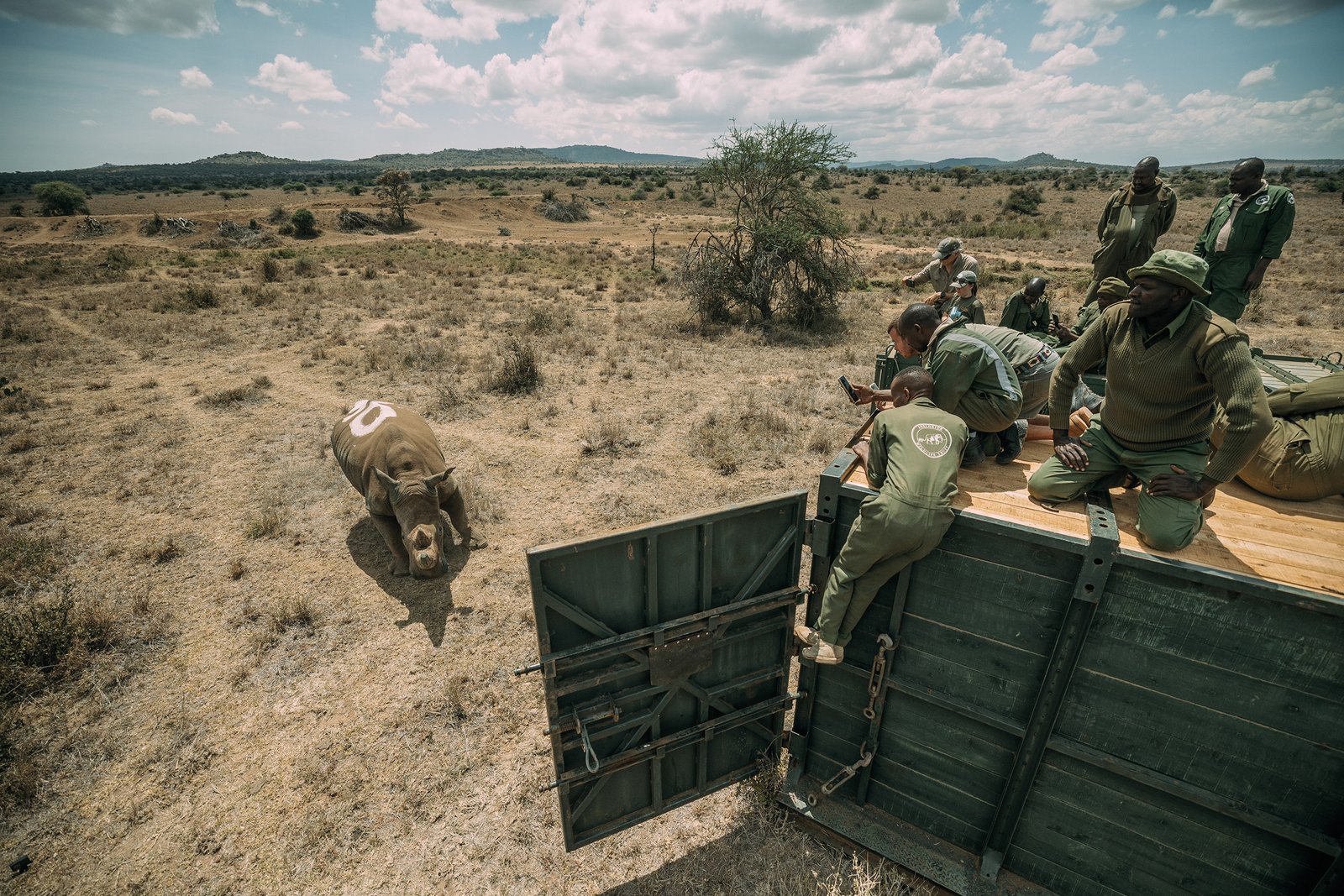
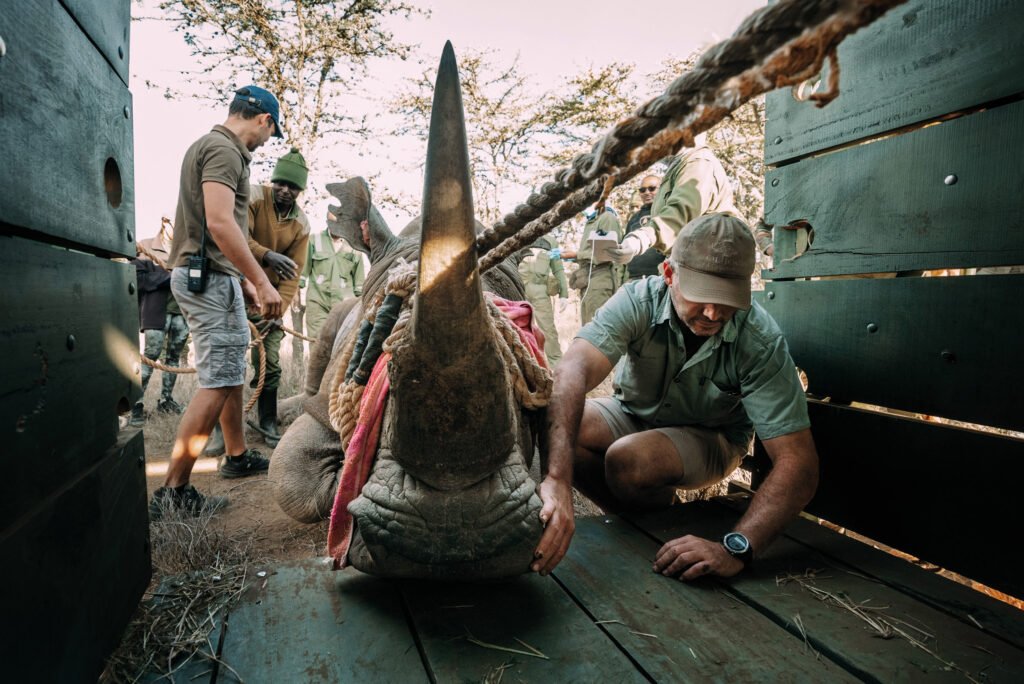
One of the most remarkable examples of how a bespoke Cookson’s trip worked alongside environmental efforts took place in Kenya’s 58,000-acre Ol Jogi Wildlife Conservancy, where fourteen endangered rhinos were moved to a safer area within the private conservancy in one of the largest translocations in the country’s recent history. Ol Jogi’s conservation efforts had successfully grown its rhino population – a significant achievement on a continent where a rhino is still poached roughly every 16 hours – but limited space had begun to trigger territorial fighting among the animals.
For more than two years, the conservancy had been seeking funding to carry out the translocation, with the aim of safely expanding the rhino population and allowing the wider ecosystem to thrive. The project was made possible thanks to a bespoke expedition organised by Cookson Adventures, during which guests played an active role in both funding and delivering the conservation effort. Working alongside expert wildlife teams, guests helped keep the rhinos cool during transport, assisted with applying protective blindfolds and monitored vital temperatures throughout the process.
The operation was documented and later turned into the short film Keystone: How To Move A Rhino, co-produced with Coldhouse Collective, and is currently being submitted to international film festivals with the aim of amplifying the conservation story even further.
Impact in the Galápagos
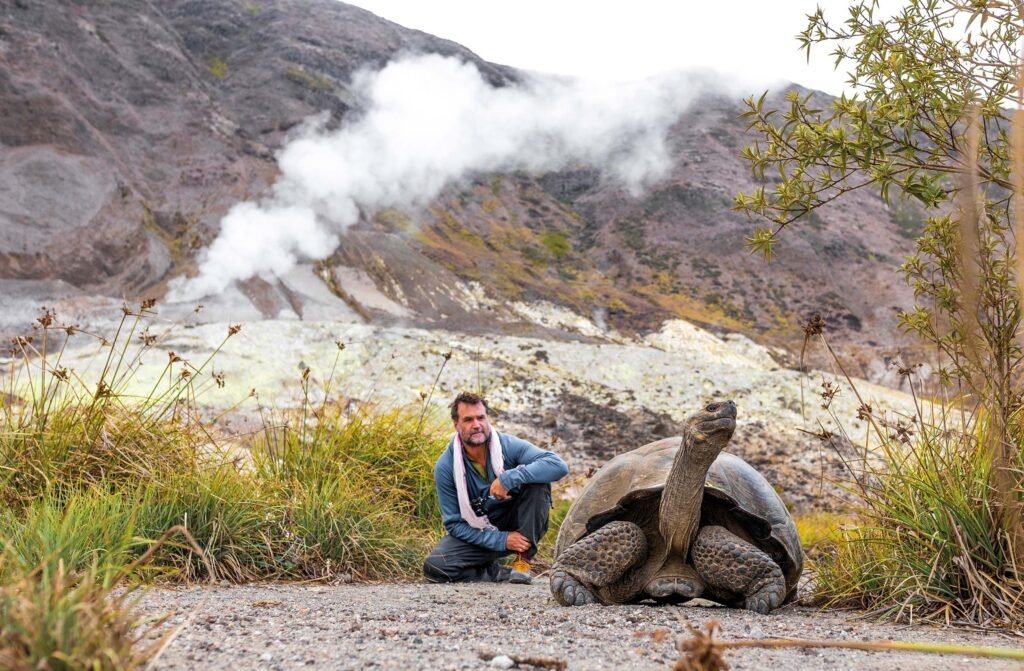
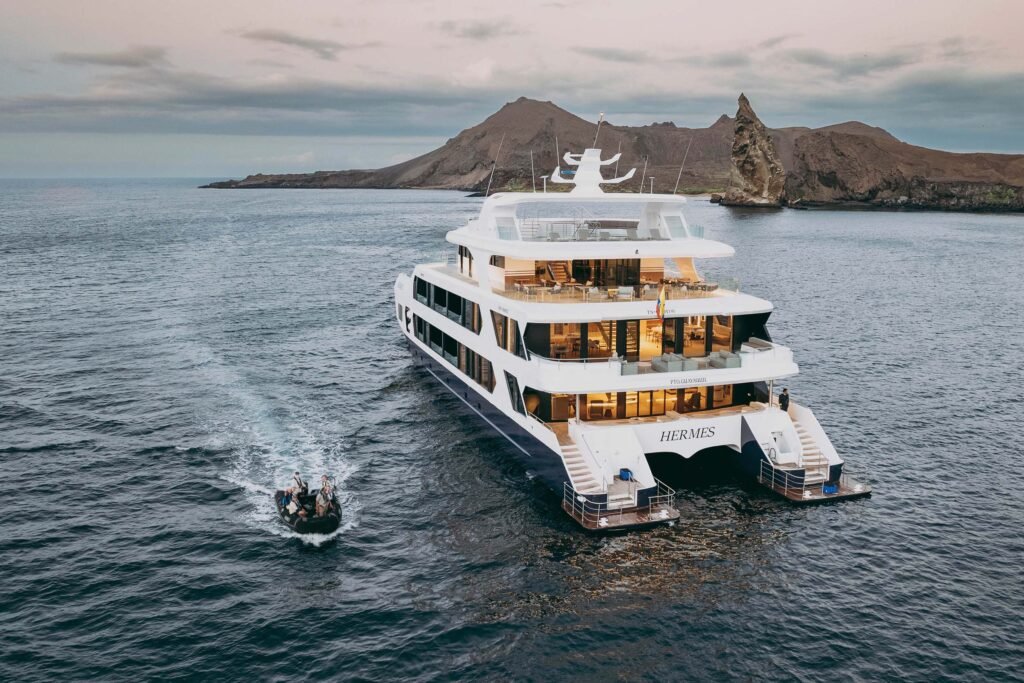
A bespoke trip to the Galápagos Islands is another clear example of how high-end travel, when done properly, can directly support biodiversity protection. In 2016, working in partnership with the Galápagos National Park, an exhibition organised by Cookson Adventures saw guests help facilitate the relocation of approximately 500 juvenile giant tortoises from critically endangered habitats to a nearby island, securing safer conditions for their long-term survival.
Guests supported the conservationists on the ground by geotagging tortoises before joining them to relocate the baby tortoises. To make the relocation possible, Cookson brought in two helicopters – no small feat
in an area that aircraft very rarely go. This helicopter access allowed conservationists to reach remote areas that would otherwise have been incredibly difficult, if not impossible, to reach. It also gave guests an incredibly rare aerial view over the islands.
The collaboration continued in 2022, when Cookson organised a trip that supported the construction of a remote research station on the rim of Wolf Volcano to monitor the critically endangered pink iguana. This is a species found nowhere else on the planet, with only around 200 breeding adults remaining.
During the expedition, Wolf Volcano erupted, and Cookson’s aircraft were used to evacuate researchers safely. Later that year, scientists announced the first documented nesting sites and hatchlings of the pink iguana, a breakthrough that will significantly strengthen efforts to protect the species.
Discovering a new species
An expedition has also helped advance marine science through the discovery of a new species of orca around Cape Horn. For decades, scientists had suspected that a fourth species of orca existed. The Type D orca, which is subtly different from the killer whale, has been reported in the Southern Ocean since the 1950s.
However, the extreme conditions around Cape Horn, coupled with limited funding, had repeatedly prevented official searches from taking place, so the new species had never been confirmed.
In 2019, during a bespoke trip, guests helped fund and were present on a research voyage. During this adventure, they supported experts and helped secure the first-ever biopsy sample, confirming the Type D orca as a new species, which, potentially, is the last large mammal of its size to be formally identified – a breakthrough that was nearly 15 years in the making.
Protecting marine life
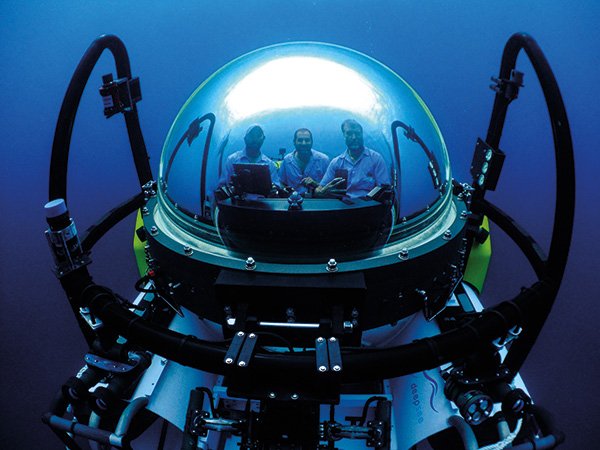
Seabed mapping has become a significant part of Cookson Adventures, and supporting this effort is a popular choice for guests in destinations such as the Solomon Islands, Fiji, and Cocos Island. Crucially, the data is shared, wherever possible, with The Nippon Foundation-GEBCO Seabed 2030 Project, contributing to the global effort to map the entire ocean floor and make the information openly accessible. It is also offered to local communities and NGOs, enabling them to strengthen marine protection.
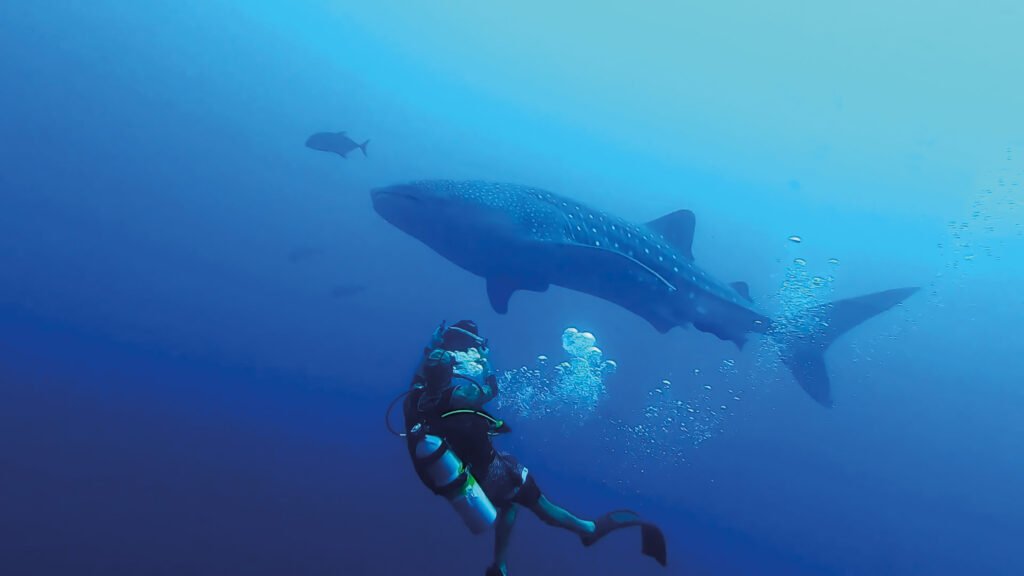
In Fiji, Cookson’s mapping team formally sought permission from the Chief of the Waisomo tribe before surveying ancestral waters. When they returned with a detailed 3D model, it became a powerful tool in supporting the tribe’s petition to safeguard the area under the global ‘30 by 30’ conservation initiative. In Cocos Island, seabed mapping has run alongside shark conservation projects, where leading researchers have tagged hammerheads and whale sharks with acoustic and satellite trackers to better understand migratory routes. Guests can assist in gathering that data, whether measuring juvenile hammerheads or geotagging whale sharks, while more than 50 square kilometres of seabed has been mapped.
A new era of ultra-luxury
While Cookson Adventures also designs milestone celebrations, such as trips to see the Northern Lights, or thought-leadership escapes set against some of the world’s most spectacular backdrops, the environmental impact of these trips is never an afterthought. Henry Cookson says: “I’ve always tried to present the world in an authentic way, and that means not shying away from its issues. Adventure travel should spark curiosity, but it should also connect people meaningfully with the planet and its communities.
“Simply observing was once the norm; deeper engagement used to be a hard sell. Now it’s what clients actively seek – whether that’s mapping the ocean floor in Antarctica, collaborating with a women’s community in Papua New Guinea, tagging baby hammerhead sharks on the Cocos Islands, or helping to de-mine elephant migration routes between Angola and Zambia.
“To travel is a privilege, and to give a little back repays that privilege,” he concludes.
At a time when sustainability can feel like a buzzword used to inflate prices on travel experiences, Cookson’s approach feels more genuine and reframes luxury as something that carries responsibility. It also demonstrates the positive impact private capital can have when it is directed in a way that helps protect, rather than damage, the environment.
It also seems that exclusivity alone is no longer enough for luxury travellers. Increasingly, there is a desire for impact and knowing that they have contributed to something far bigger than the experience itself.
Further information
cooksonadventures.com
About the author
Louise Gookey is a freelance writer and presenter specialising in sustainable living. She has worked for ‘Candis’ magazine, Sustainable Fashion Week, and ‘The Sun on Sunday’ among others, and is a Fashion and Textiles Ambassador for the Soil Association. Read more from Louise here.
Images
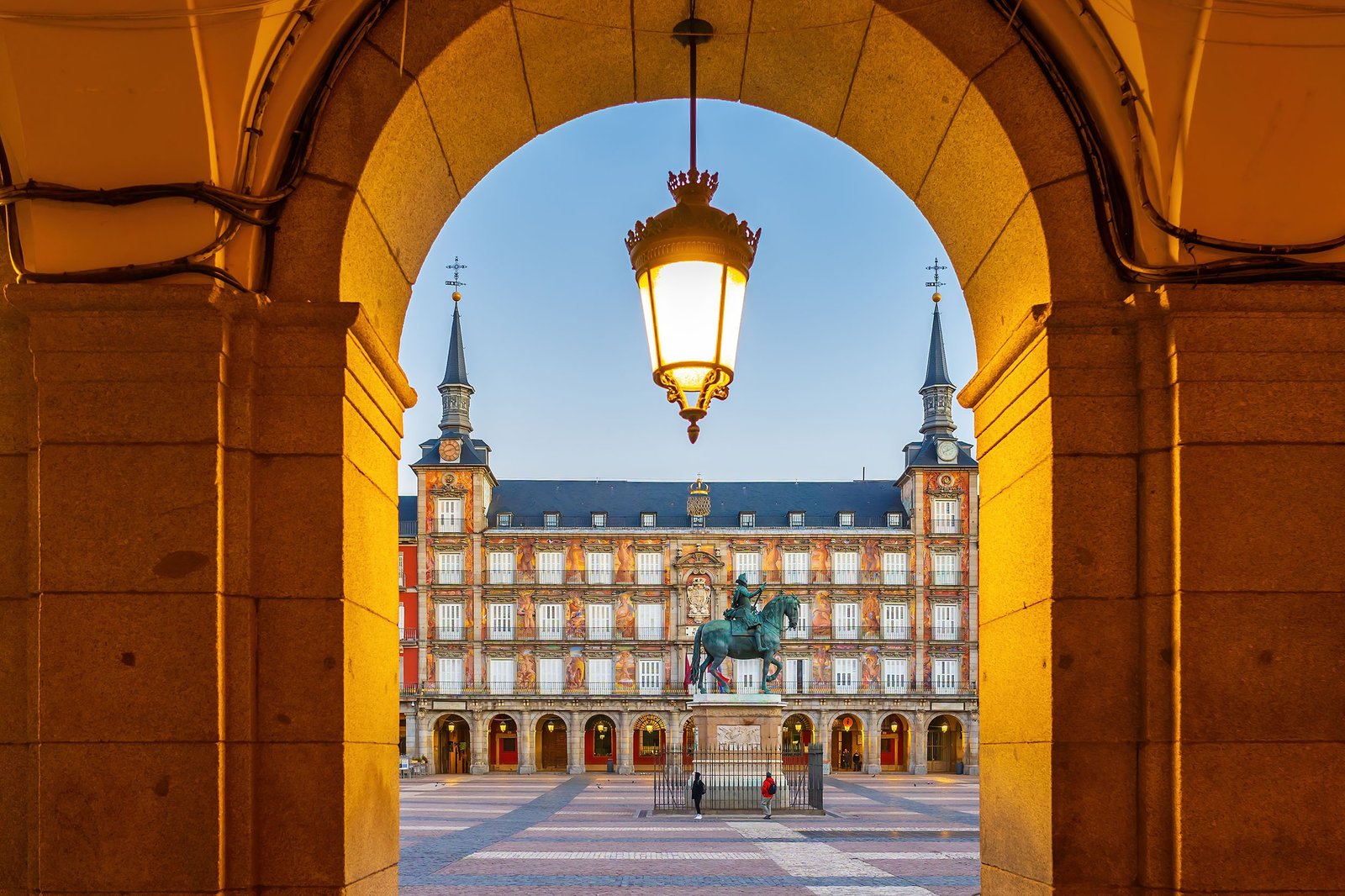
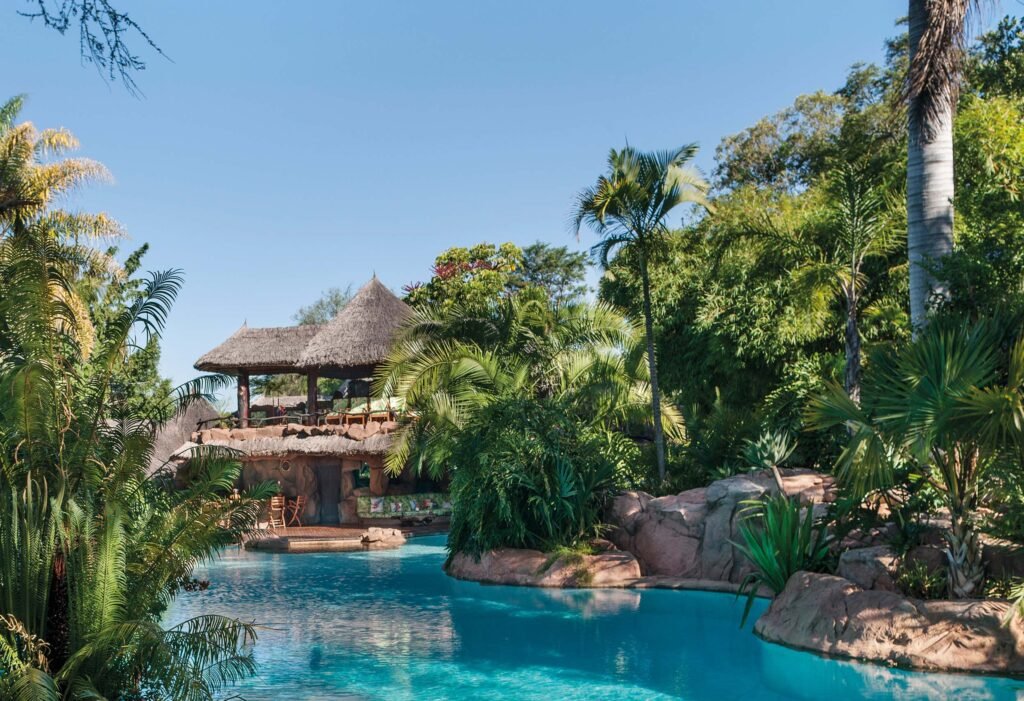
The images show the recent rhino translocation in the Ol Jogi Wildlife Conservancy, Kenya, along with the guest accommodation on that trip. Henry Cookson is pictured in the the Galápagos Islands, plus the accommodation at sea in the Galápagos, and other underwater adventures with the company.