


Trinidad, the largest and most populous island of the Republic of Trinidad and Tobago, is a vibrant destination that blends tropical charm with a rich and diverse culture. Beyond the warm, sandy beaches and welcoming hospitality that the Caribbean is known for, this gem of an island offers a wide range of experiences tailored to every type of traveller. For those seeking authenticity, Trinidad delivers a unique mix of culture, landscapes, and adventure, all ready to create lasting memories. With its year-round tropical climate and a packed calendar of events, Trinidad truly lives up to its slogan, ‘Always in Season’.
Carnival season
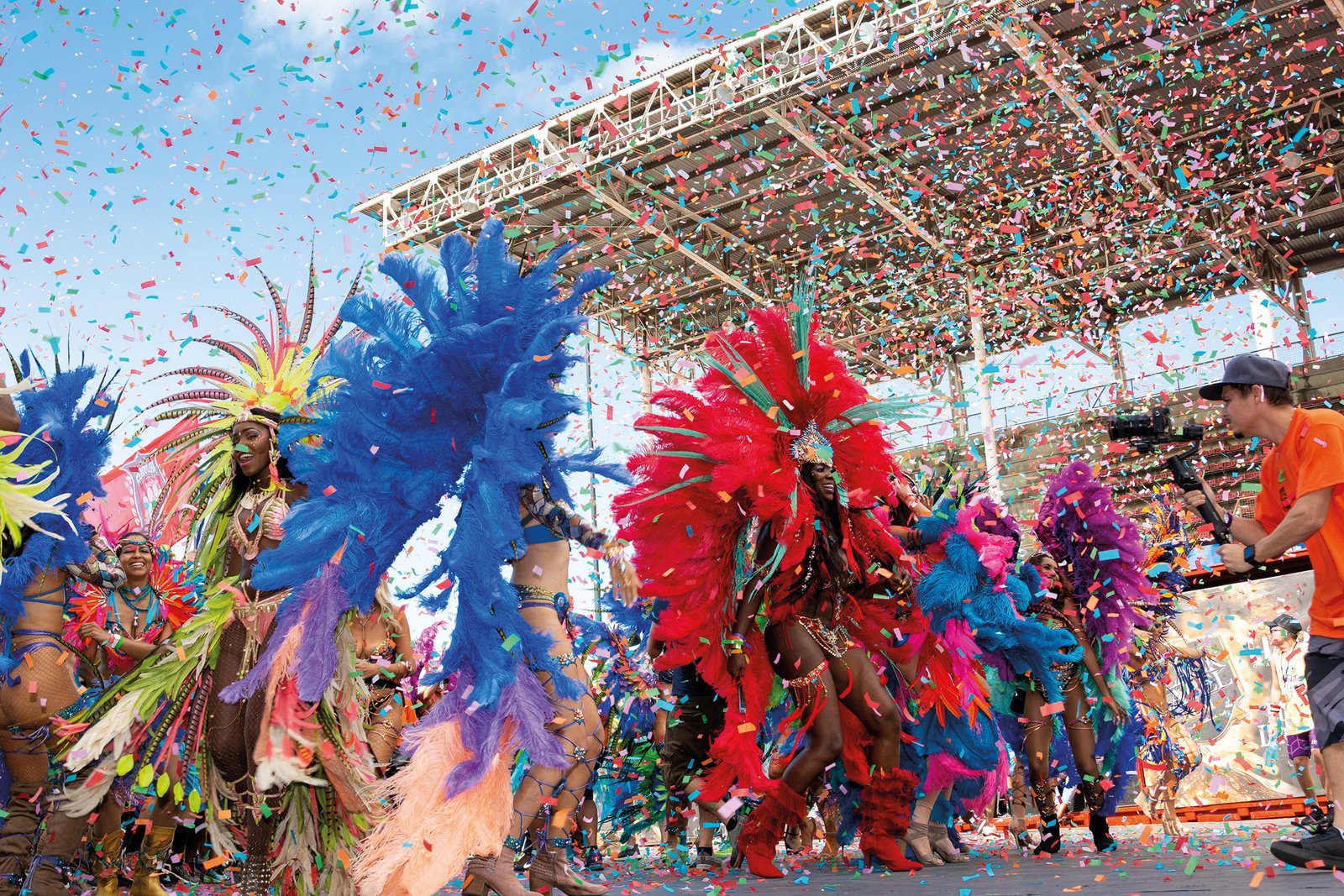
For many around the world, Trinidad is synonymous with its carnival. An annual event held on the Monday and Tuesday before Ash Wednesday, the Trinidad and Tobago Carnival is the birthplace of masquerade, revelry, and the steelpan – the only musical instrument created in the 20th century. Soca and calypso music is heard through the streets, dazzling costumes captivate the eye, and high-energy parades bring the city to life in ways that few other festivals can match. The Trinidad and Tobago Carnival is considered one of the most culturally authentic festivals in the world, drawing visitors into an experience shaped by artistry, history, and collective joy. Even outside of carnival season, Trinidad’s vibrant spirit continues with events such as African Emancipation, the World Steelpan Festival, Divali, and the festive end-of-year celebrations centred around the Christmas season.
However, Trinidad’s culture extends beyond the vibrant festivals and is shaped by a strong mix of African, European, East Indian, and Indigenous influences. Visitors encounter this cultural melting pot everywhere on the island. Hindu temples and Islamic mosques take their place alongside African storytelling traditions, music, and folklore, reflecting a society where heritage is respected and shared. These cultural expressions are part of everyday life, allowing visitors to experience a true connection with the island and its people.
Culinary expression
The cultural identity of Trinidad is closely reflected in its food. The island’s cuisine mirrors its diversity, combining its various influences into dishes that are bold, comforting, and truly ‘Trini’. Fresh seafood, locally grown herbs, estate-produced cocoa and coffee, and traditional cooking techniques shape menus across the island. Dining experiences range from fine restaurants to street food and even home-style meals shared in village kitchens, where conversation flows freely.
Signature dishes such as the iconic bake and shark and piping hot doubles share the table with spiced curries, seasoned soft meats, and even sweet treats, giving visitors a true taste of Trini life.
Accessibility makes exploring the island effortless. Located at the southern edge of the Caribbean, Trinidad is well-connected by air to North America, Europe, and the rest of the Caribbean, with Piarco International Airport serving as an easy gateway. Modern marinas and the port of Port of Spain accommodate yachting and cruise travellers, making the island equally welcoming by sea. With simplified logistics, visitors can focus entirely on the experiences that await them on the island.
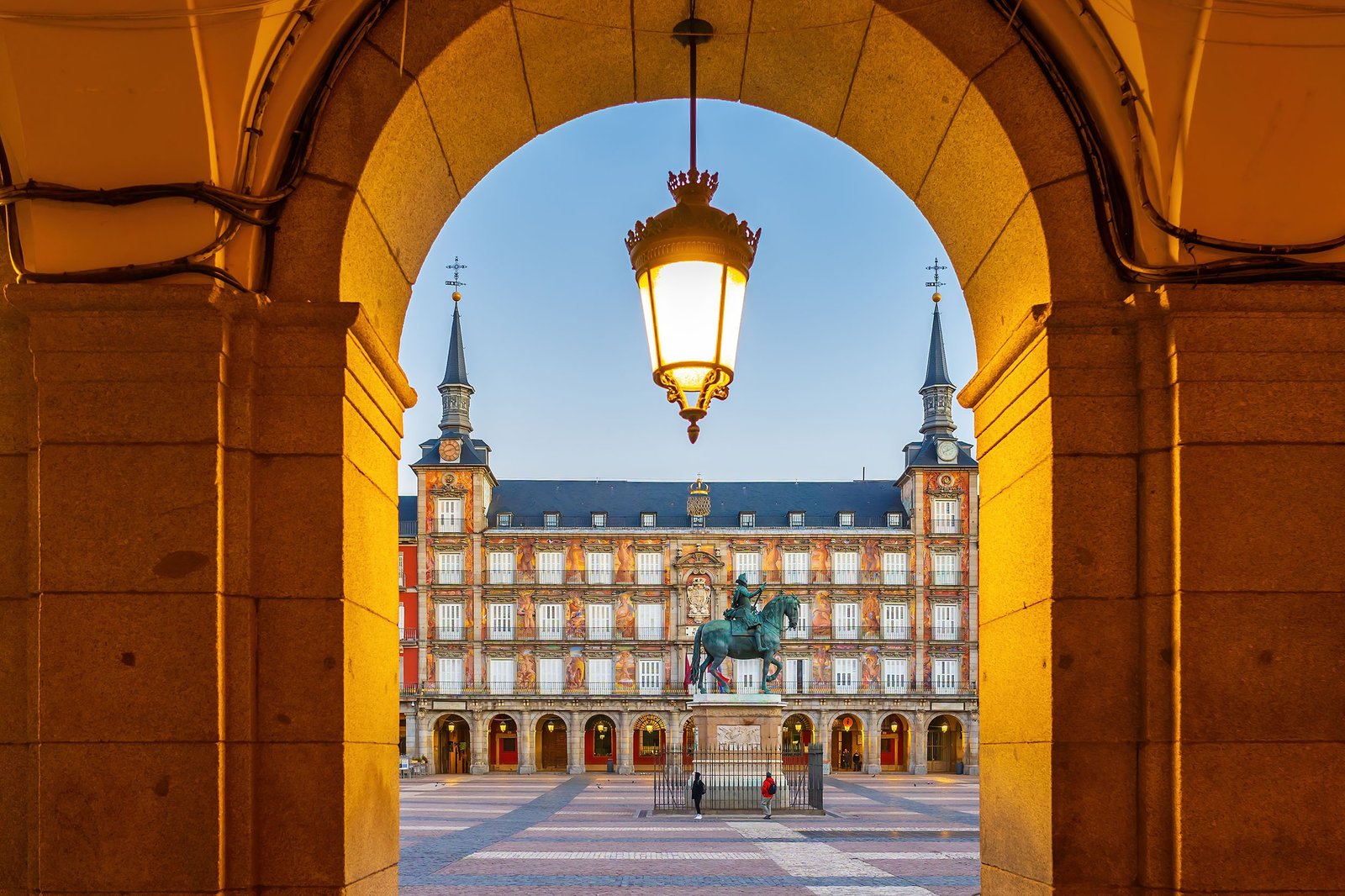
The capital, Port of Spain, acts as both a logistical and cultural hub. Visitors can stroll through the Royal Botanic Gardens, a peaceful green space showcasing exotic plants and native birds, or admire the colonial-era Magnificent Seven buildings along the Queen’s Park Savannah. The National Academy for the Performing Arts hosts music, theatre, and dance, while Ariapita Avenue, a popular entertainment strip, comes alive in the evenings with restaurants and nightlife. The city’s manageable size allows for easy exploration, while nearby forested hills, coastal roads, and rural villages invite travellers to slow down and immerse themselves in the island’s natural beauty.
Biodiversity abounds
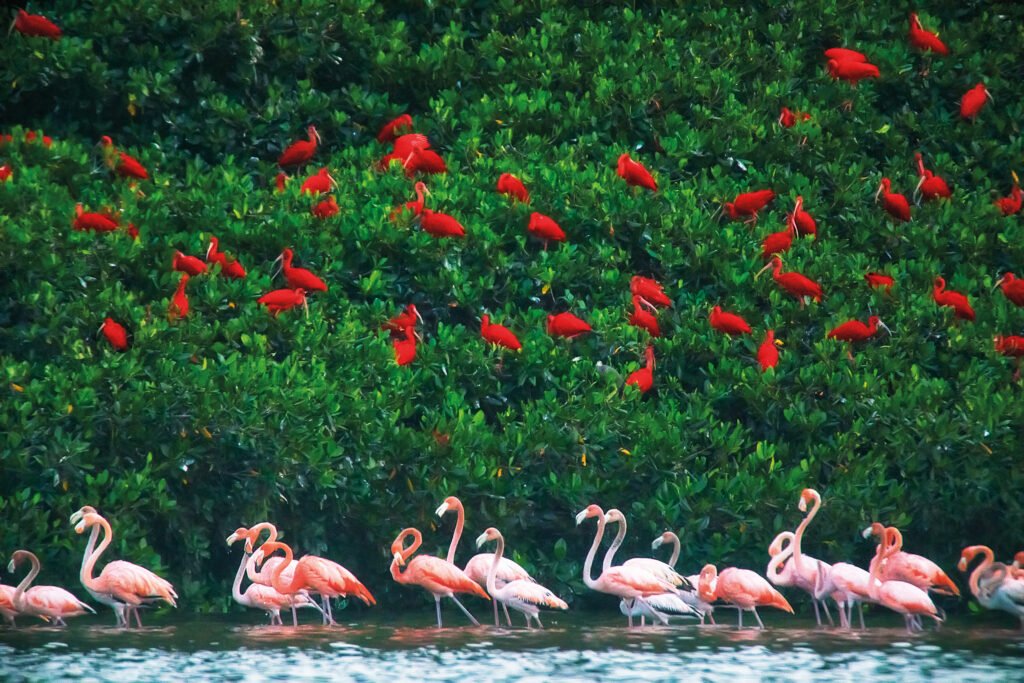
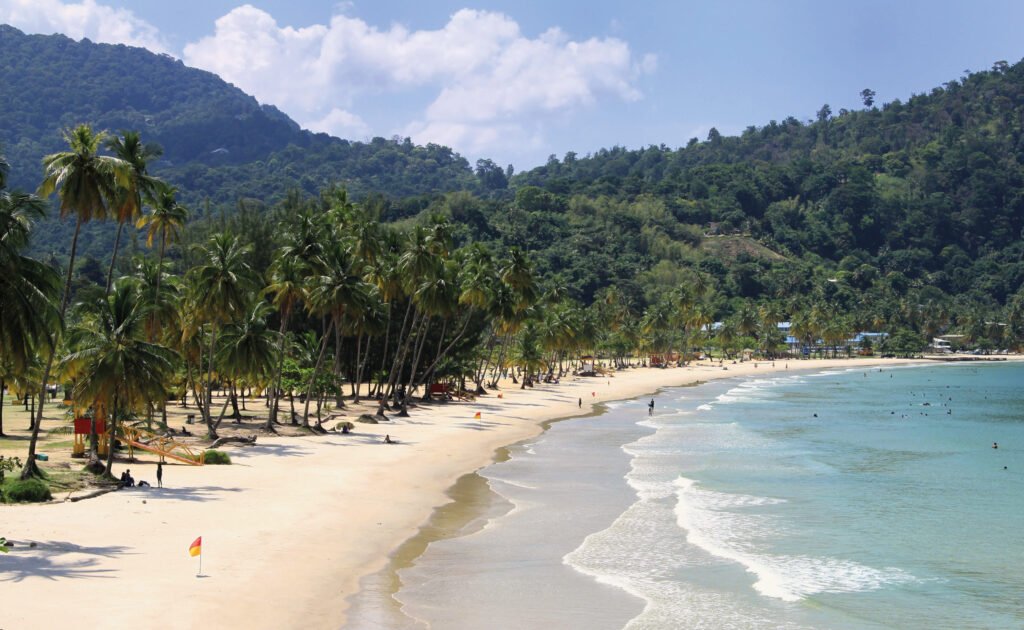
Nature is an integral part of life in Trinidad. The island is known as the most biodiverse in the Caribbean, with secluded rainforests, protected wetlands, and pristine coastlines. The Northern Range offers trails, waterfalls, and panoramic views suitable for both casual walkers and seasoned hikers. A short drive to central Trinidad brings visitors to the Caroni Bird Sanctuary, where guided boat tours reveal the island’s national bird, the striking scarlet ibis, returning to roost at sunset.
For gentler outdoor adventures, head west to try kayaking in Chaguaramas or go exploring ‘Down D Islands’ to feel more connected to nature. On the east coast, Matura and Grande Riviere are internationally known for leatherback turtle nesting, offering carefully managed wildlife experiences. Trinidad’s mud volcanoes, mostly clustered in the island’s south, invite visitors to bathe in mineral-rich pools set within forest clearings. All these natural experiences are easily accessible for day trips or longer stays, appealing to families, leisure travellers, and adventure seekers alike.
Fostering a sense of connection
Trinidad’s natural offerings seamlessly extend into community-based tourism, where village life becomes part of the visitor experience. Communities play an active role in hosting travellers, ensuring tourism is rooted in authenticity. In Paramin and Lopinot, residents have built self-sustaining tourism experiences that showcase daily life. Visitors can enjoy tours exploring the villages, learning about local farming practices, and gaining insight into local traditions and the unique way of life. Meals are prepared with ingredients grown in locals’ gardens, offering a farm-to-table experience that is both educational and personal.
Sustainability is central to the eco-tourism model in Trinidad. In communities such as Grande Riviere, tourism and conservation work hand in hand, with locals protecting the leatherback turtle nesting beaches. Residents guide visitors on responsible interaction with wildlife and manage access to sensitive areas, ensuring tourism supports both environmental preservation and local livelihoods. These community-led efforts balance visitor engagement while protecting the natural ecosystem and allow travellers the opportunity to participate in meaningful, responsible tourism experiences.
This sustainable approach fosters a sense of connection and shared responsibility. Families enjoy hands-on learning, leisure travellers can slow down and explore with purpose, while eco-conscious tourists can be reassured that their visit contributes positively to community well-being and environmental resilience.
Above all, what sets Trinidad apart is its balance. The island accommodates celebration and serenity, adventure and relaxation, social connection and private reflection. Cultural events, festivals, and lively gatherings sit alongside quiet nature retreats amid picture-perfect backdrops, offering every visitor the freedom to shape their vacation.
Time in Trinidad feels generous. Conversations linger, landscapes unfold slowly, and experiences leave a lasting impression. The island welcomes repeat visits, with each stay offering new discoveries. For those seeking depth, authenticity, and connection through culture, nature, or community, Trinidad provides a meaningful escape that resonates long after departure.
Trinidad is a destination that delivers on every level. Visitors can unwind on stunning beaches, explore local cultures, create lifelong memories, and experience the true essence of the Caribbean. So, pack your bags, choose your adventure, and uncover the beauty of truly exceptional travel in Trinidad.
Further information
visittrinidad.tt