


Nature changes its menu at least four times a year, yet many of us continue to reach for the same meals regardless of season. Ayurveda – a traditional Indian system of holistic health and wellbeing – takes a different view, treating food as one of the simplest tools available to help the body adapt to shifts in temperature, humidity and daylight as the year progresses. Central to this approach is the concept of Dosha, the three energies of Vata, Pitta and Kapha said to govern each individual’s constitution, so the guidance that follows is best read as a starting point, adapted according to one’s own constitution.
Ayurveda also understands the seasons through guna, or quality: summer brings heat and dryness, while winter brings cold and heaviness, and the body is continually adjusting between the two. As Dr Sreelal Sankar (below left), Head of Ayurveda at Ananda, a Himalayan wellness retreat specialising in Ayurvedic and holistic wellbeing, explains: “Eating in step with the seasons keeps the body’s own clock in sync with nature’s, food chosen not only to satisfy hunger but to nourish.”
Food for thought
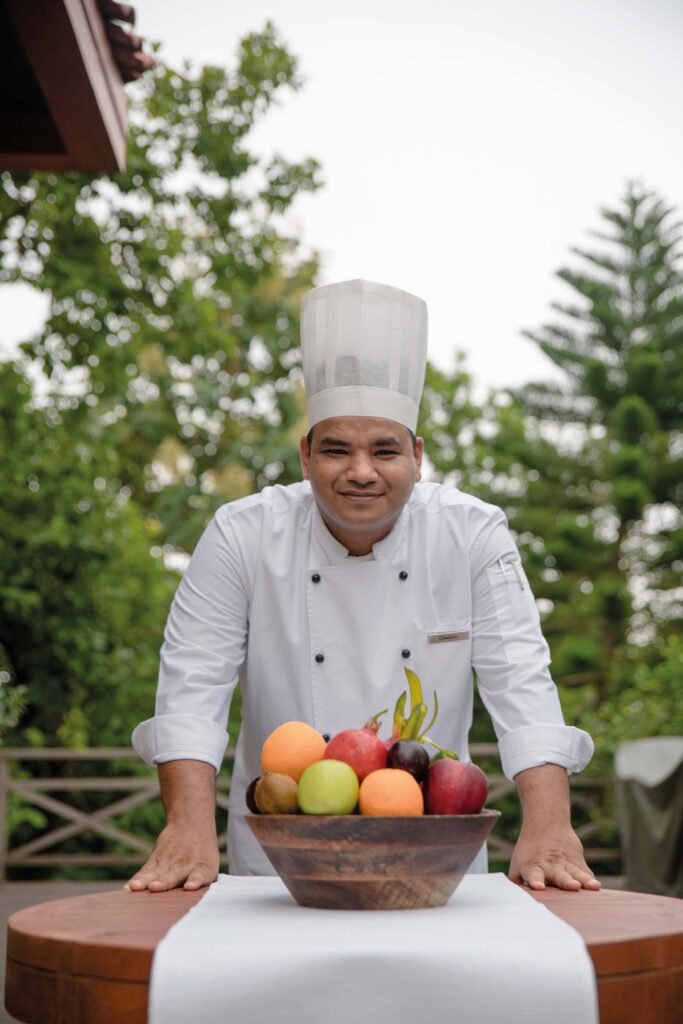
The Healing Plate, Ananda’s first culinary book, with concepts and recipes by Director Culinary Chef Diwaker Balodi (right), is guided by Ayurvedic principles of seasonal nourishment. As autumn, or sharad ritu, unfolds, the body is typically still recovering from the heat and heaviness of the previous months, and Pitta tends to become aggravated. This is the moment to favour seasonal fruits, pumpkins, gourds and whole grains, alongside grounding, settling dishes rather than stimulating ones. The Miso Millet Bowl from The Healing Plate, developed to reduce inflammation, for example, is grounding enough to steady Pitta while its gentle warmth eases the body towards winter. Fried, oily and heavily spiced food is best kept light or avoided during this period. This transition between seasons, known as ritu sandhi, is considered a time when the body is at its most sensitive and benefits from a gentle reset, with warming dishes introduced gradually rather than waiting until discomfort sets in.
By early winter, or hemanta, digestion naturally strengthens as the body works harder to maintain warmth. Kapha begins to accumulate, while Vata is calmed by nourishment.
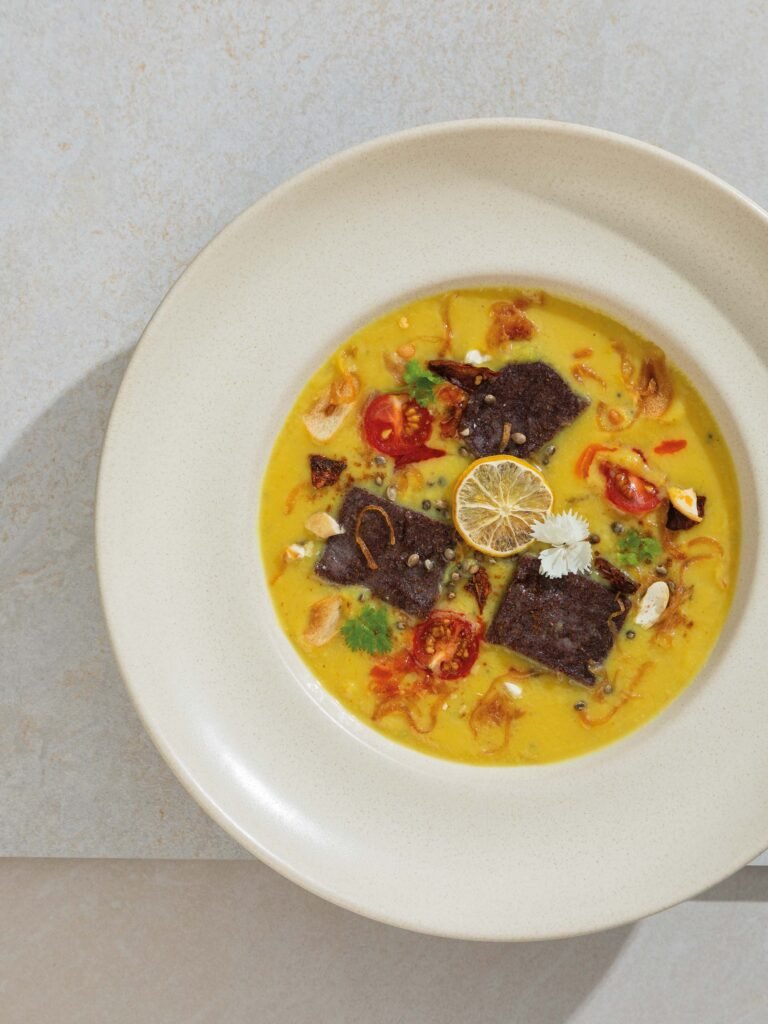
“Ayurveda regards this as the season for building strength, and the plate should reflect it in earnest,” adds Dr Sreelal. This can take the form of wholesome meals built around ghee, nuts, seeds, whole grains, lentils and root vegetables, warmed through with ginger, cinnamon, turmeric and black pepper. The Yellow Mung Bean Curry and Red Lentil Soup both lean on warming spices and slow-cooked legumes, precisely the qualities hemanta calls for. Ananda’s Vegan Vegetable Frittata, created to support digestion, works well as a lighter option when the digestive fire needs steadying rather than taxing.


A matter of timing
This same logic extends to constitution as much as to season, since what nourishes one Dosha can unsettle another. Vata types, prone to dryness and quick, restless energy, are best served by warm, moist, grounding foods such as soups, stews and ghee, with ginger and cinnamon supporting digestion, while raw salads and excess caffeine can leave them depleted. Pitta types, with strong digestion and natural heat, respond well to cooling, hydrating choices such as coconut, cucumber and mint, and are better off limiting spicy, fried or fermented food that can tip them towards acidity or irritation. Kapha types, whose metabolism runs slower and steadier, benefit from light, warming and stimulating foods, including turmeric, ginger and black pepper, while heavy, oily or overly sweet dishes are best kept occasional rather than routine.
Timing matters as much as the ingredients themselves. The body responds well to routine, and eating at regular intervals throughout the day supports digestion more reliably than the content of any single meal. Digestion sits at the very heart of Ayurvedic cuisine, referred to as agni, or digestive fire. The principle is not simply what is eaten, but what is properly digested and absorbed. A rich meal that is poorly digested does the body less good than a lighter one eaten calmly, which is why strengthening agni matters as much as any ingredient, and why Ayurveda pairs this with the cultivation of ojas, the vitality and immunity a well-supported digestion leaves behind.

It is important to note that none of this calls for an overhaul of daily life. Eating seasonally and for one’s individual constitution is not about elimination, but about making small, considered adjustments to what is already on the plate.
This, in essence, is Ananda’s food philosophy at work, built on twenty-five years of refining how Ayurveda, nutrition science and gourmet cooking meet on a single plate. It is why no two menus at Ananda look quite alike, and why its wellness programmes, from Panchakarma to Weight Management to Active-Fitness, layer their own dietary requirements onto a guest’s Dosha rather than replacing it, continuing with a personalised meal plan for three months after departure. The Healing Plate carries that same thinking home. If Ananda’s cuisine philosophy could be distilled into a single idea, it would be balance, achieved one season, one plate and one meal at a time.
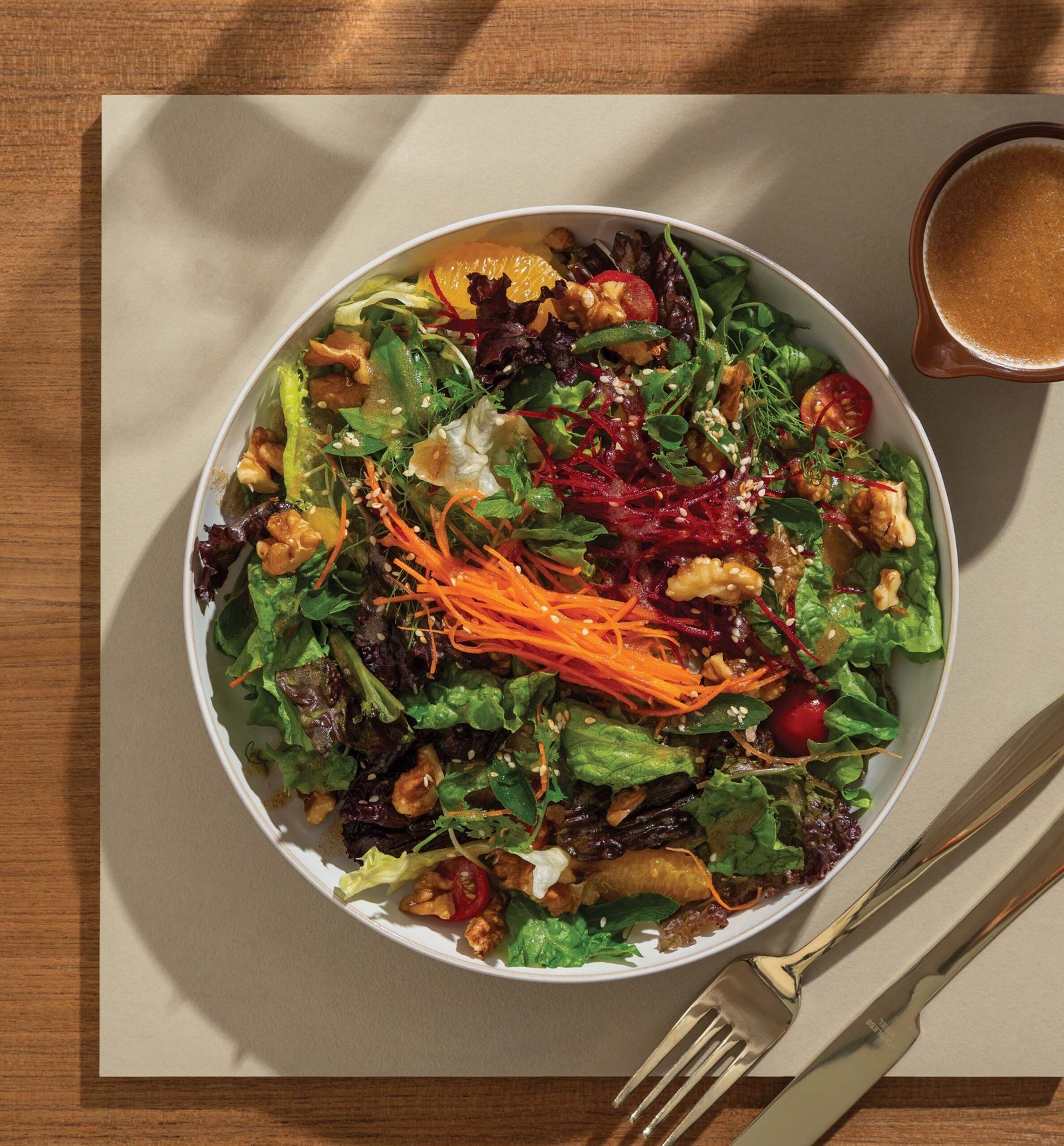
Images are recipes from The Healing Plate by Ananda.