


At this year’s In Pursuit of Luxury Conference (IPOL), held across Goldsmiths, University of London and Ravensbourne University London, I curated a panel exploring questions of authenticity and transparency. Bringing together perspectives from haute horlogerie and high-end jewellery, the conversation explored what makes luxury feel authentic today – and how our understanding of authenticity may be evolving.
For me, authenticity in luxury has several layers. There is, of course, the most obvious one: is the product genuine? But authenticity is also about whether a brand remains true to itself; its identity, personality and values as it evolves. And today, there is another layer: are the stories brands tell actually true? Where did the materials come from? Where was the object made? Who made it, and how?
But facts are only part of the story. Customers experience authenticity emotionally, too. A piece can feel more meaningful when they know the person behind it, understand the skill involved or develop a relationship with its maker.
When the Maker Becomes Part of the Story
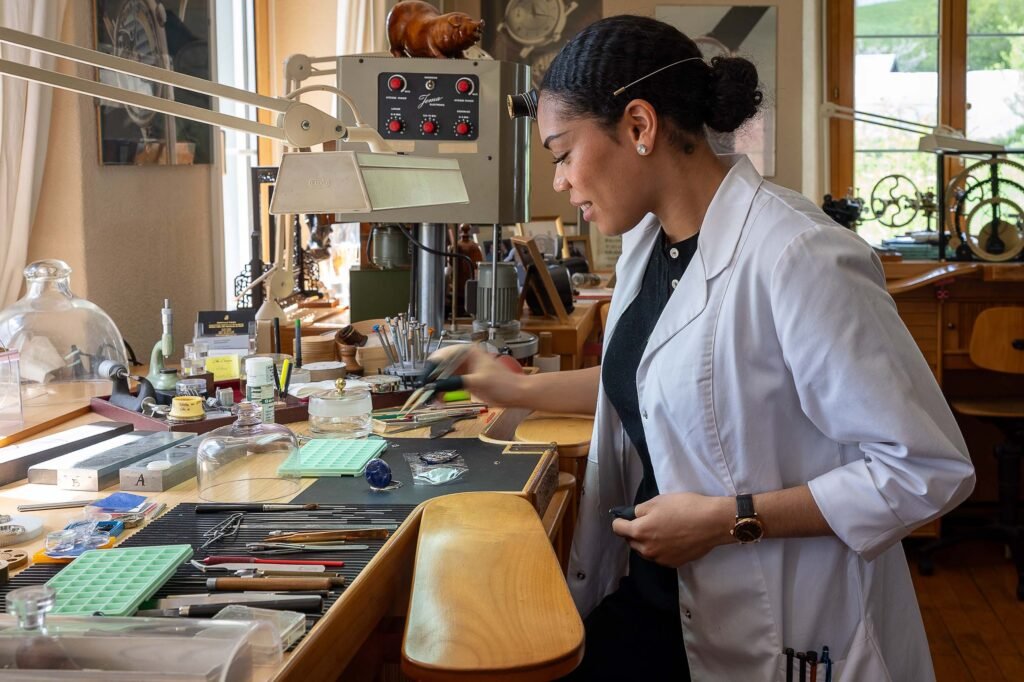
Danièla Dufour (below), watchmaker at Philippe Dufour, places the human dimension at the centre of the conversation. In independent watchmaking, the relationship between maker, object and client can be remarkably personal. Trust, conversation and exchange do not have to take away the mystery of a beautiful watch – in fact, they can make the connection to it even stronger.
That emotional lens matters in luxury because value has never been entirely rational or functional. A client may admire precision, provenance and technical mastery, but what makes an object truly resonate can be something far less measurable: a conversation with the maker, the story of how a detail was created, or simply the feeling of knowing whose hands were behind it.
When Heritage is Older than a Brand
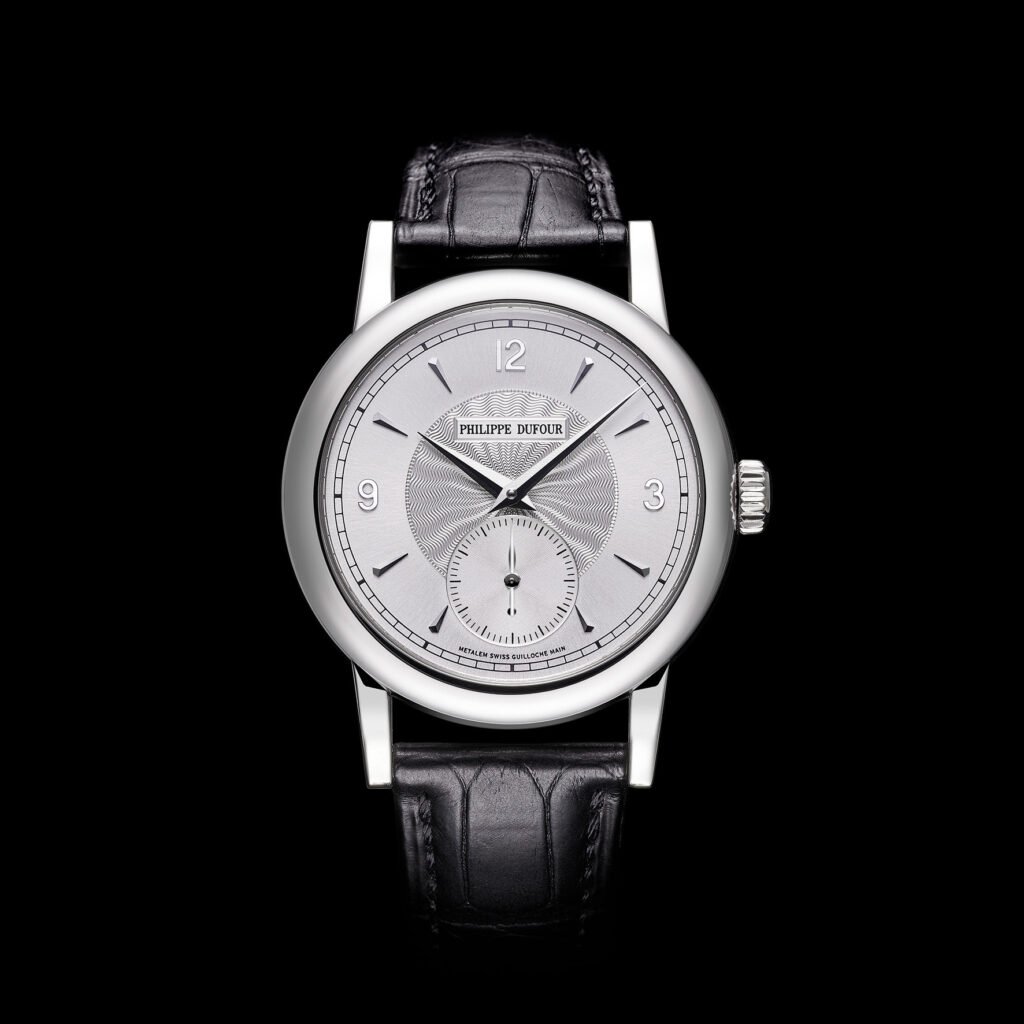
Heritage itself is not always as straightforward as the date the brand was first established. In Swiss watchmaking, a name may be new while the mastery behind it has been building for generations.
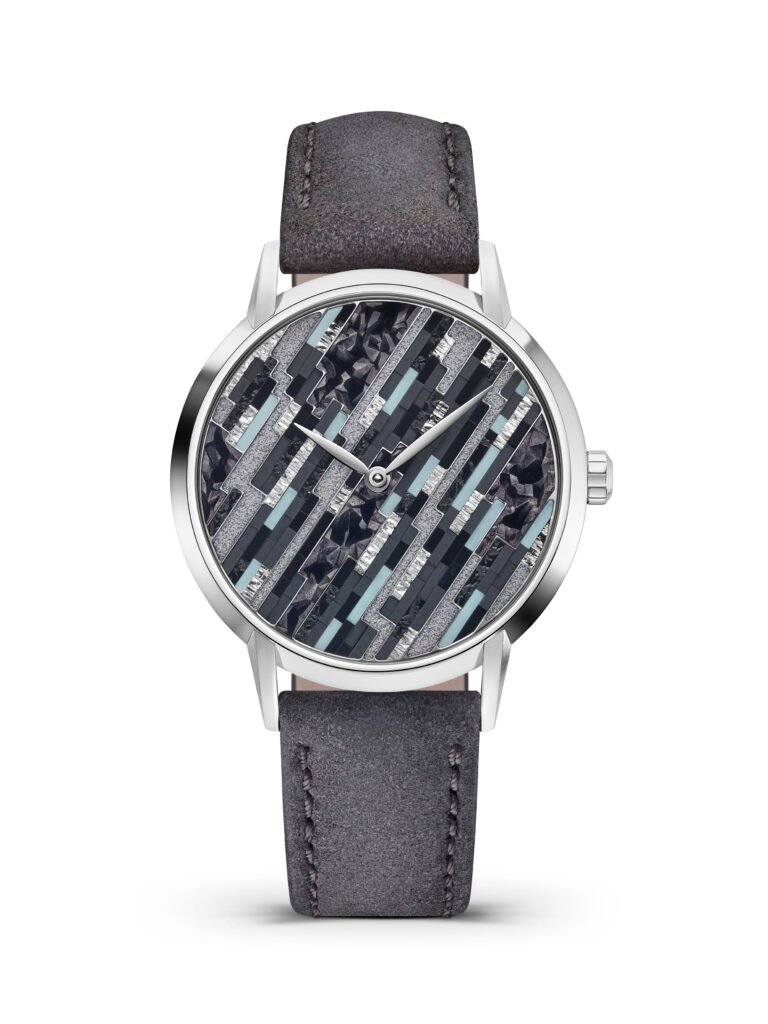
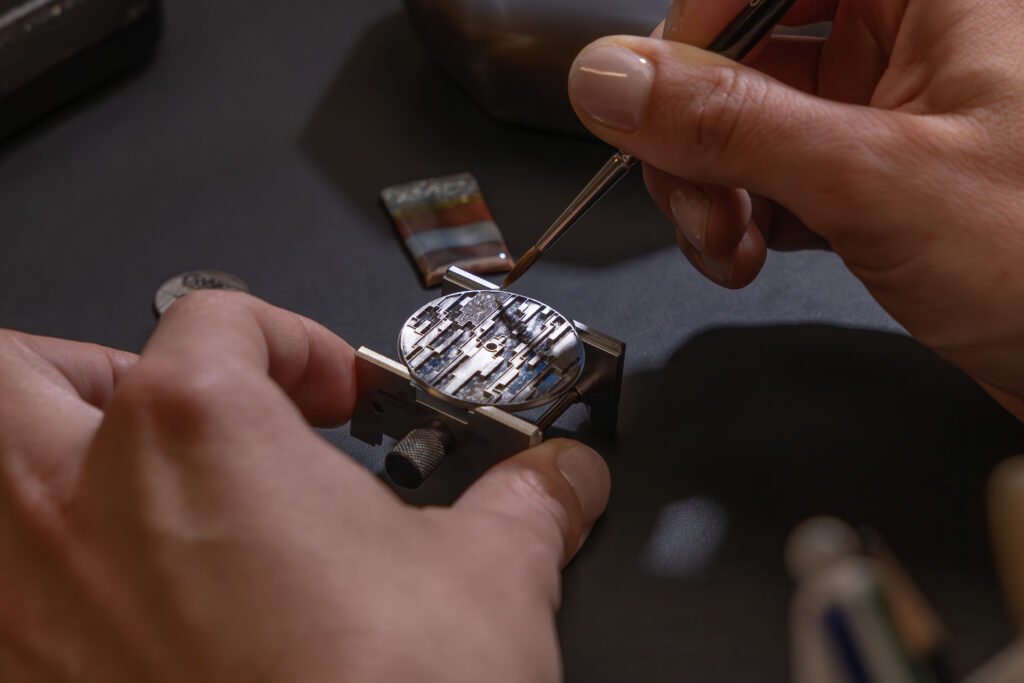
TAOS is a good example. Launched in 2024, this young watch brand unites around 40 master artisans working across more than 15 specialised métiers d’art. While the brand itself is new, the craftsmanship behind it is deeply rooted in tradition.
It is an interesting distinction for an industry where authenticity is often closely tied to longevity: a new house that can draw on an established culture of craftsmanship, while established names still have to demonstrate that the expertise associated with their heritage remains alive.
Proof, Poetry and the New Luxury Story
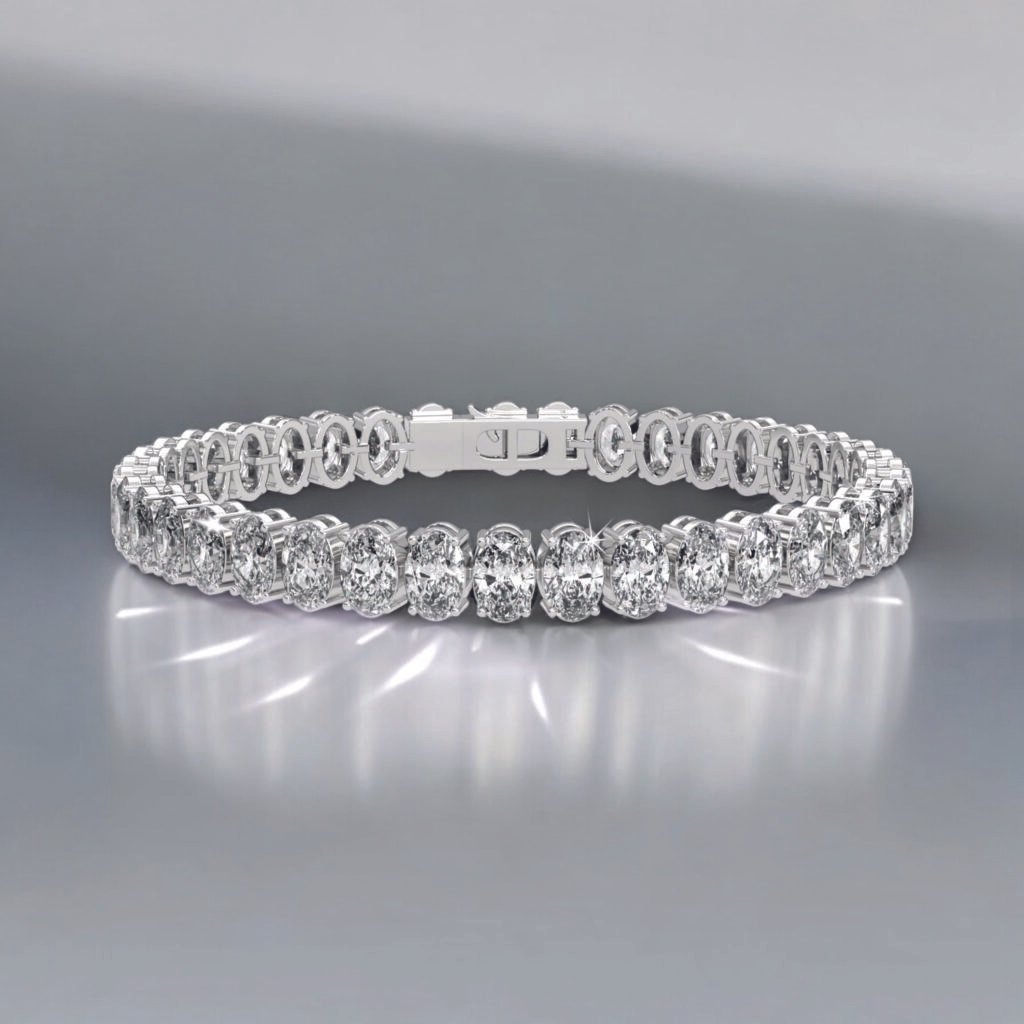
High-end jewellery house Astrea London brings another dimension to this ongoing debate. The rise of lab-grown diamonds has made the foundations of desirability especially intriguing. While natural and lab-grown diamonds share the same chemical, physical, and optical properties, the stories they carry diverge significantly. Lab-grown diamonds invite us to reimagine luxury’s narrative – one rooted not in geological exclusivity but in human creativity and innovation.
Natural diamonds come with a narrative of rarity and deep geological origin. Lab-grown diamonds, however, have the opportunity to build a different story – one where design, craftsmanship, and creativity become integral to the value. The intrigue is not in how lab-grown diamonds replicate the desirability of natural stones, but in how they create desirability on their own very special terms.
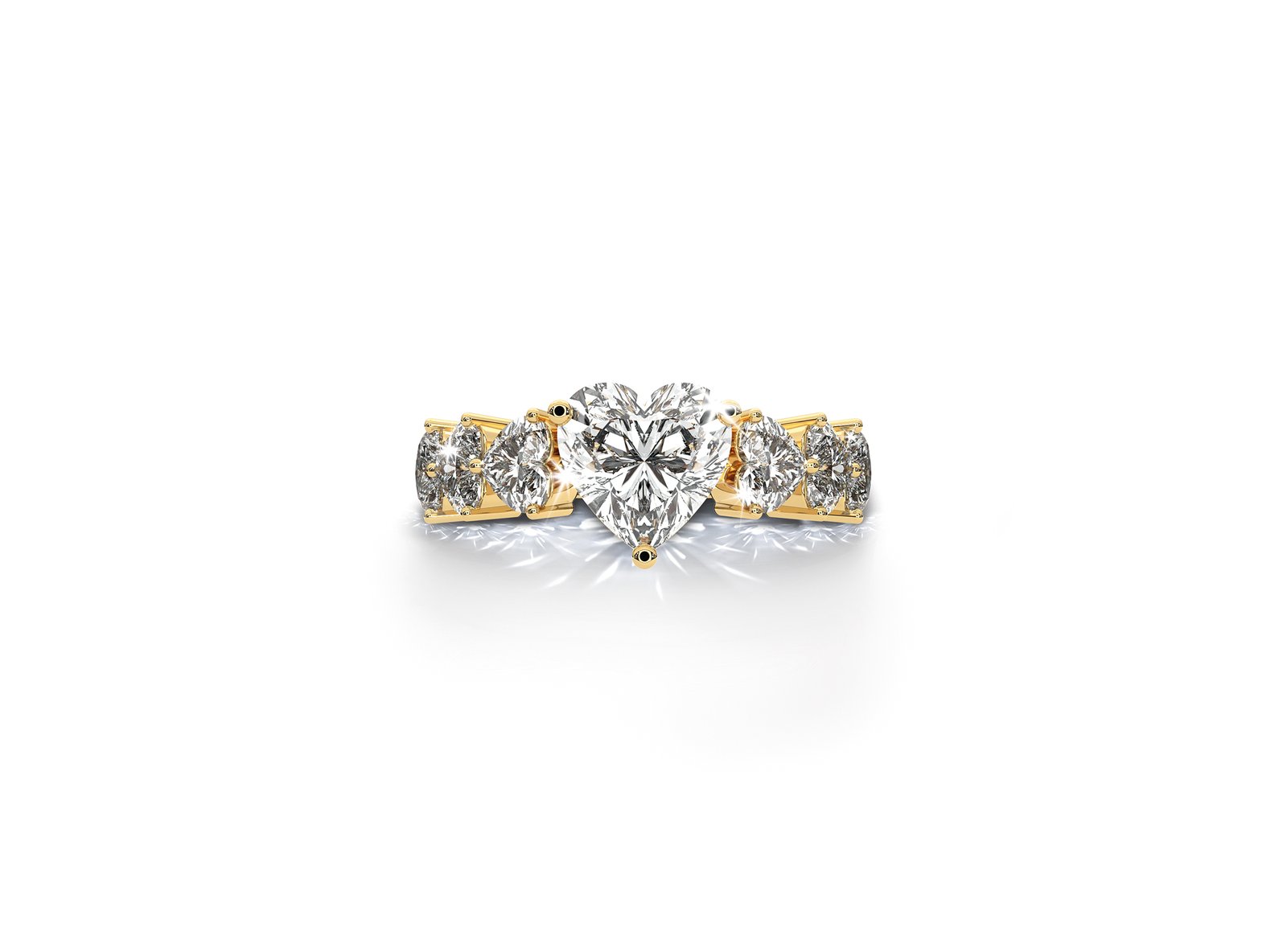
That vision is central to Astrea London’s approach, with Global Creative Director Sarah Jessica Parker (below) helping shape a brand that aims not simply to offer an alternative to mined diamonds, but to create jewellery that stands on its own as world-class design. Transparency is part of that proposition too – not as a compromise on luxury, but as something that feels increasingly modern and necessary to it.

The romance still matters
Today’s luxury client increasingly seeks both allure and authenticity. The romance of luxury still matters, but so does the confidence that the story behind the object is real. Perhaps knowing more does not make luxury less magical – it may simply give us more reasons to believe in the magic.
Under IPOL’s 2026 theme, ‘Time to Change’, luxury is being asked to reveal more of itself. Yet showing more need not mean giving everything away. The opportunity may lie in making knowledge, craftsmanship and human connection part of what creates desire, rather than something that sits behind it.
For an industry that has long mastered the art of desire, transparency opens an intriguing new chapter. As luxury opens its workshop doors wider, I find myself asking: what if its future magic lies not in mystery, but in a more honest connection between those who create and those who desire?
About the author

Dr Dusica Lehmann is a luxury strategist and researcher specialising in brand identity, authenticity, and value creation, with a particular focus on fine watchmaking.
Lead image: Graduated Heart Ring by Astrea London