



For many investors, property has long been the ultimate asset — it’s tangible and, when chosen wisely, lucrative. But in an era of rising interest rates and shifting tax landscapes, choosing where to invest is more important than ever.
The global property market is growing rapidly, but that growth is far from evenly distributed. While some markets deliver strong, consistent returns, others look far more attractive on paper than they do in practice. Cities like London typically offer rental yields of between 3% and 5%, whereas other cities can offer yields anywhere between 6% and 9% — and depending on the country — without income tax on rental earnings.
To cut through the noise, Royal Westmoreland have analysed five of the most sought-after markets for international investors: Barbados and the Caribbean, Dubai, the UK, the United States and Thailand, examining where buyers have seen the strongest returns and how accessible these markets really are once the full financial picture is laid bare.
To do that, Royal Westmoreland spoke to property experts from across the industry to get their take on where the real opportunities lie and what investors should be aware of before committing capital.
United Kingdom
The UK is one of the more straightforward markets for foreign investors – no ownership restrictions, no special permits and a transparent legal system. The financial complications, however, come at the point of purchase. Non-UK residents pay a 2% stamp duty surcharge on top of all standard rates, and those buying an additional property face a further 5% surcharge – up from 3% since October 2024.
On returns, location is everything. Average gross rental yields across the UK sit at 5.8%, with the North East leading at 7.9%, while London trails at 5.1% – a gap that matters for investors drawn to the capital’s prestige over its performance. Capital growth tells a similar story, with stronger gains coming from regional cities rather than London, where prices have softened year-on-year.
Ben Mizes, president of Clever Real Estate, agrees that the real story lies outside the capital: “The UK keeps attracting international capital for its mature regulations, sustainable tenant demand and familiar market structure. When it comes to yields, the main story is found outside of prime central London — in most cases, it is the regional city markets that provide the best value and highest returns.”
United Arab Emirates – Dubai
Dubai has become one of the most attractive property markets for foreign investors, thanks to its open approach and low tax environment. There are no ownership restrictions in designated freehold areas, no income or capital gains tax and relatively modest transaction costs, including a one-off 4% transfer fee. Buyers should, however, account for service charges and developer-related fees, which can impact overall returns.
Performance has been particularly strong in recent years. The average gross rental yield for apartments stands at 7.2%, with annual rent growth running at between 8.5% and 9% in 2025. Knight Frank’s Dubai Residential Market Review for Q3 2025 recorded average values 10% higher year-on-year, with transaction volumes for the year-to-date exceeding AED 310 billion — one of the highest totals on record. Price appreciation is forecast to moderate from those levels, but the structural drivers of demand remain firmly in place.
Michael Leighton, CEO of API Global, says Dubai is a standout destination for yield-focused investors: “Dubai combines high yields with a favourable tax environment, and for investors who understand the market cycles, it remains one of the most competitive destinations globally.”


Thailand
Thailand has long drawn international property investors, and the yield figures go some way to explaining why. The average gross rental yield stands at 6.49% as of Q1 2026, putting it meaningfully ahead of the UK on income alone.
The accessibility picture is more complicated. Freehold ownership for foreigners is limited to condominium units within the 49% foreign quota – land and houses remain off-limits. For investors seeking villas or landed property, the only route is a long-term leasehold, though the Thai Supreme Court reaffirmed in 2025 that lease renewals are contractual promises, not guaranteed property rights.
Transaction costs add further friction. The total government cost for a property transfer typically ranges from 2.5% to over 6.3% of the appraised value, and the fee reductions introduced in April 2025 apply to Thai citizen buyers only – foreign purchasers pay the full rate.
Mizes notes that Thailand suits a specific type of buyer: “Thailand is most appealing to investors looking to combine lifestyle with returns. In high-footfall tourist markets, the outcome comes down to location, seasonality and understanding the legal framework around foreign ownership.”
United States of America
The US offers one of the most open property markets for foreign buyers anywhere in the world. There are no federal restrictions on foreign ownership of investment real estate, including rental properties and vacation homes. Additionally, no additional purchase taxes are levied on overseas buyers. When it comes to returns, the average gross rental yield stands at 6.56% as of Q4 2025.
Where the US adds complexity is at the point of sale. FIRPTA requires 15% of the amount realised to be withheld by the IRS when a foreign person sells a US real property interest. This is not a final tax liability, but it does tie up capital at completion and demands careful planning. State-level taxes vary considerably too, with some markets imposing additional levies on higher-value transactions.
“The greatest advantage of the US market is its breadth of investor options,” says Mizes. “Depending on the asset class and location, investors can target markets that are either stable and cash-flowing, or better suited to long-term appreciation – that same diversity is what allows US markets to support such a wide range of investor goals.”
Barbados
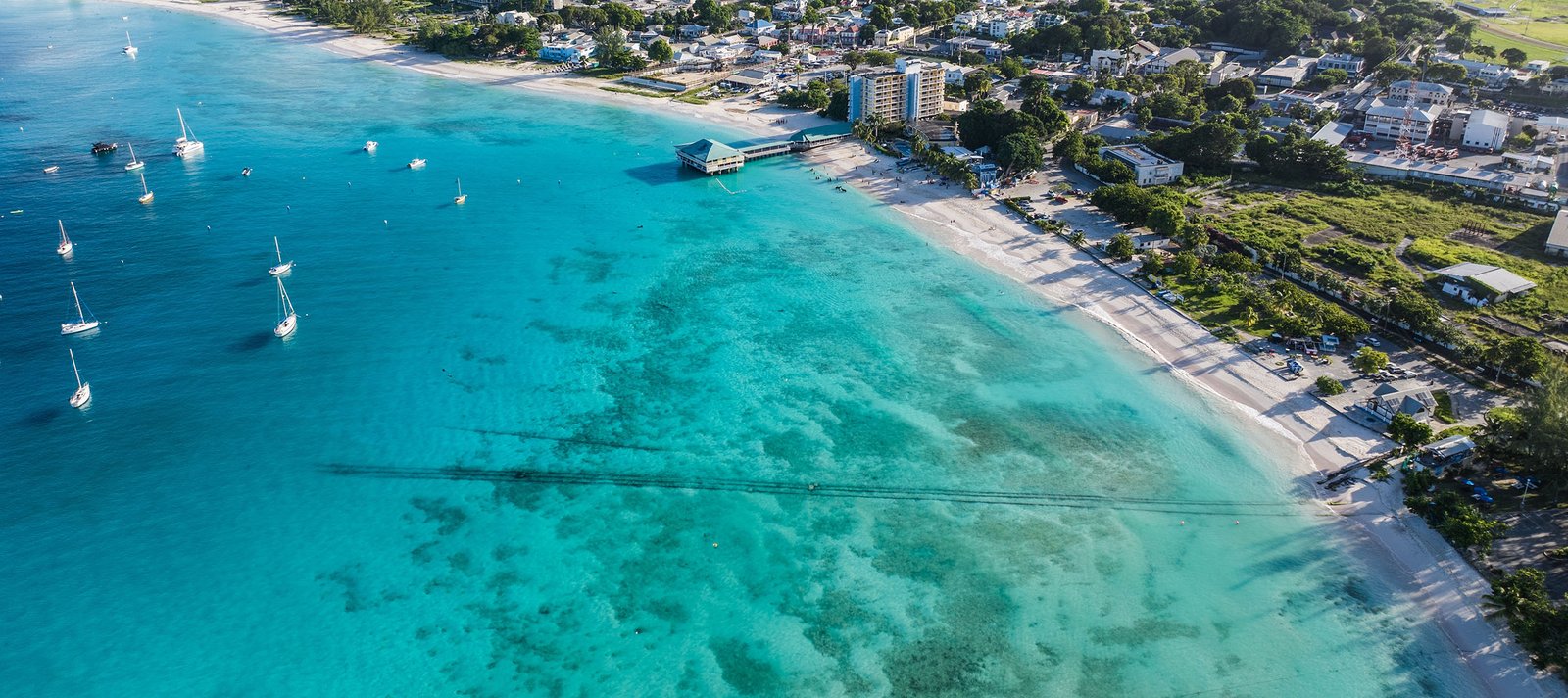
By almost every measure that matters – yield, accessibility and tax efficiency – Barbados (below) comes out ahead. Average rental yields run at 4% to 6% market-wide, with prime West Coast properties for sale in Barbados capable of reaching 8% and overall returns on well-managed vacation villas sitting between 7% and 10%.
In addition to its strong long-stay appeal, Barbados has also recently recorded its highest-ever stay-over visitor arrivals, with 503,000 arrivals between January and August 2025. When you consider the accessibility of full ownership rights for non-residents, no capital gains tax and stamp duty paid by the seller at just 3.5%, all these factors combine to make Barbados one of the most investor-friendly markets, thanks to its demand for holiday and long-term lets. Chris Pitt, Concierge Manager at Barbados’s Royal Westmoreland resort, says: “2025 was an exceptional year for occupancy, and with the US now overtaking the UK as Barbados’ largest visitor market, we’re seeing a broader pool of guests than ever before. The West Coast has always commanded a premium, but what’s changed is the consistency – and that’s what makes the numbers stack up.”

All of these markets have their benefits and trade-offs. The real difference will be seen by investors who do their homework, diversify their portfolio and take advantage of growing demand trends across the globe.